Many people look for ways to achieve healthy skin. This is a very gentle approach, and LED therapy has become widely known for its soothing effects. By targeting specific wavelengths of light, this technique provides excellent assistance when treating different skin problems. Understanding its advantages can help individuals decide what to include in their skin care regimen.

What is LED Therapy
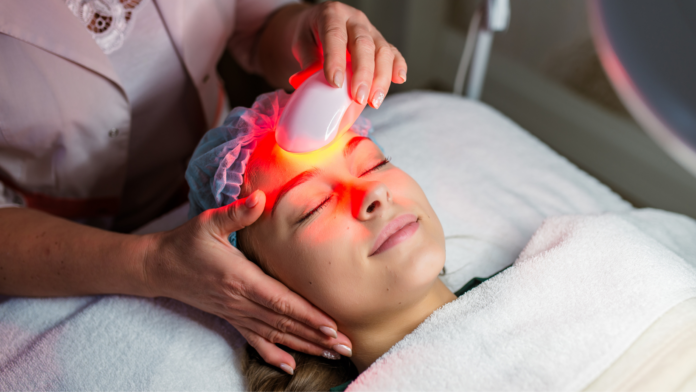
LED therapy, or light-emitting diode therapy, is a non-invasive device that delivers low-level light energy to the skin. This process does not produce heat, unlike ultraviolet light. Each color addresses different skin problems. The treatments are typically red, blue, or near-infrared light. It is a safe and non-intrusive approach. By using clinical-grade LED therapy, individuals experience clearer, healthier skin with long-term benefits.
How Does LED Therapy Work
The deeper layer of the skin is reached by light energy. This energy is absorbed by cells, motivating them to perform better. Crimson light can lower inflammation and promote the production of collagen. Blue light targets the bacteria that cause breakouts. Near-infrared options help relieve inflammation and pain for recovery.

Benefits for Different Skin Types
LED therapy is versatile for the skin. Sensitive skin usually tolerates this procedure quite well, as no heat or literally invasive and aggressive agents are applied. Blue light can also be beneficial for people with oily or acne-prone skin, as it targets the bacteria that may be responsible for breakouts. You can even choose red or near-infrared light if you have dry or more mature skin because that type of light can help the skin retain moisture and firmness.
Addressing Common Skin Concerns
Others have issues with fine lines, breakouts, or a lack of even tone. Worth Knowing: Red light helps support collagen, which makes lines appear smoother. Blue light usually helps minimize the number of pimples. Near-infrared treatments can help relieve redness or discomfort after cosmetic procedures or from wind and sunburn.
Safe and Painless Approach
LED devices typically feel mild to nonexistent sensations during sessions. During treatment, most individuals simply feel a mild warmth. It requires no recovery period following use. The an enticing attribute is the command that integrates the venture without needing to modify day-to-day operations. It has an excellent safety profile with almost no side effects.
Supporting Consistent Skincare Routines
Regular use can enhance results. So many people find out that incorporating LED therapy with other lighter-touch skin care techniques is a great way to maintain lasting, healthy skin over time. Some like to maintain the treatment in the office, and others use home devices. The best results are often more about consistency than intensity.
How Often Should Eld Therapy Be Used
How often you do this is solely dependent on your needs and the capabilities of the device. There may be one or two professional sessions weekly. Additionally, you can use the devices at home more frequently, albeit usually at lower strengths. Start quietly, and as your skin adjusts, determine whether the ideal routine is effective. Advice from a qualified professional can also go a long way in ensuring safe and effective results.
Potential Precautions and Considerations
Generally safe except for some conditions, and it’s best to check with a healthcare provider first before beginning. Depending on the sensitivity of your eyes during your sessions, you may need to wear glasses. Those who are pregnant or regularly use prescription drugs that cause photosensitivity should consult their doctor before beginning therapy.

Using LED in Conjunction With Other Things
Daily rituals of care complement this method very nicely. Gentler cleansers and moisturizers can complement light treatments. Refraining from using harsh exfoliants or peels right before a session is a beneficial idea to avoid any irritation. Only reinforcement of results from healthy habits, such as protecting from the sun and drinking more water, is necessary.
How a Session Would Look
Session times typically span from ten to twenty minutes. You will either sit or lie comfortably as the device administers a specific light. You don’t need to use any oils, lotions, or serums during treatment. Results may show slowly, with the maximum existing becoming visible only after many sessions.
Conclusion
LED therapy is a gentle, science-supported approach to nurturing your skin. The overall flexibility of the product, comfort while using it, and safety make it the perfect product to add to the modern skincare routine. By framing this practice in a certain way, people can make decisions that fit their needs and support long-term skin health.