February is National Cancer Prevention Month, and February 4th marks World Cancer Day, a global call to action to reduce the burden of cancer through prevention, early detection, and healthy lifestyle choices.

Cancer remains a leading cause of death worldwide. According to the World Health Organization (WHO), cancer accounted for nearly 10 million deaths in 2020, with lung, breast, colorectal, prostate, and stomach cancers among the most common. The Centers for Disease Control and Prevention (CDC) reports that in the United States alone, approximately 1.9 million new cancer cases were expected in 2023.
The good news is that many cancers can be prevented. Public health experts emphasize lifestyle choices, vaccinations, and screenings as key preventive measures:

-
Healthy diet and weight management: Diets rich in fruits, vegetables, and whole grains, while limiting processed and red meats, can lower cancer risk. Maintaining a healthy weight is associated with a lower risk of breast, colorectal, and pancreatic cancers.
-
Physical activity: Regular exercise—at least 150 minutes of moderate activity per week—helps reduce the risk of multiple cancers, including colon and breast.
-
Avoiding tobacco and limiting alcohol: Tobacco use is responsible for roughly 22% of cancer deaths worldwide, while excessive alcohol consumption increases the risk of liver, breast, and colorectal cancers.
-
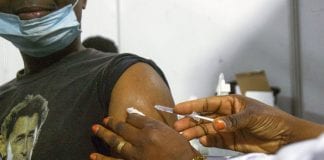
Vaccinations: The HPV vaccine helps prevent cervical and other HPV-related cancers, while the hepatitis B vaccine reduces the risk of liver cancer.
-
Regular screenings: Mammograms, colonoscopies, Pap smears, and skin checks help detect cancers early, when treatment is most effective.
World Cancer Day this year encourages individuals and communities to “Close the Care Gap” by promoting awareness, early detection, and equitable access to preventive measures. Health authorities urge everyone to schedule screenings, adopt healthier lifestyles, and educate others on cancer risks.

By taking proactive steps, individuals can significantly reduce their cancer risk and contribute to a global effort to save lives.