Caribbean joins regional push for disease elimination during Vaccination Week
Key Points(5)
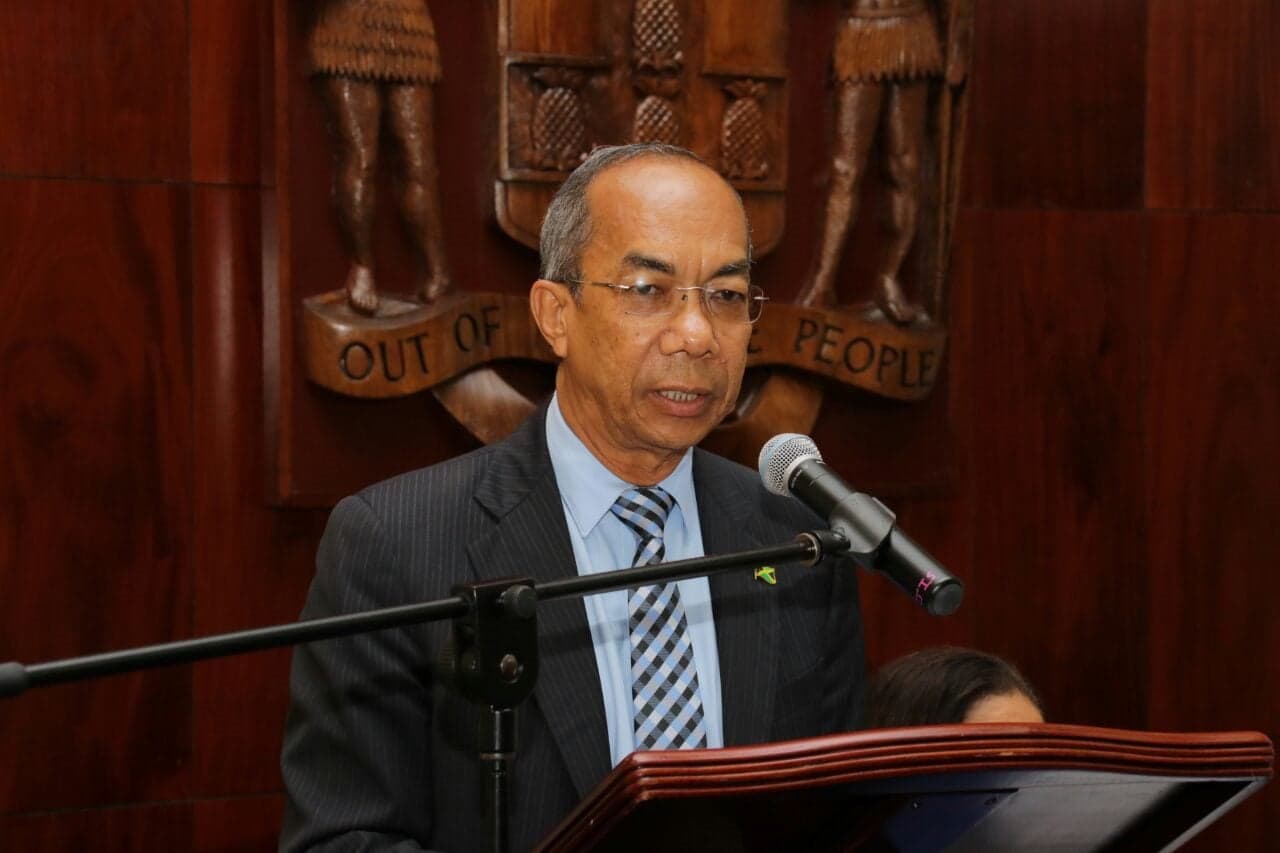
- Jarbas Barbosa at the launch ceremony.
- PAHO’s Disease Elimination Initiative, launched in 2023, aims to eradicate over 30 diseases by 2030 — 11 of which are preventable with vaccines.
- Among the initiative’s top priorities is cervical cancer, a disease that disproportionately affects women in Latin America and the Caribbean.
- This year, more than 17.7 million doses of the HPV vaccine will be administered regionwide.</p> <p class="" data-start="1609" data-end="1795">“This vaccine is a powerful tool to eliminate cervical cancer and protect future generations of women,” Dr.
- Measles outbreaks in six countries, due to gaps in MMR (measles, mumps, and rubella) vaccine coverage, underscore the need for vigilance.
The 23rd annual Vaccination Week in the Americas kicked off in Panama City this week, reaffirming the Caribbean’s and wider region’s shared commitment to eliminating communicable diseases through universal immunization access.
Since its inception in 2003, this Pan American Health Organization (PAHO)-led initiative has helped vaccinate more than 1.2 billion people across 40 countries and territories — including Caribbean nations that continue to rely on these efforts to reach vulnerable populations in rural and underserved areas.
“Vaccination Week has been a cornerstone of our Region’s public health efforts,” said PAHO Director Dr. Jarbas Barbosa at the launch ceremony. “But our leadership in vaccination goes beyond this week.” The Americas remains a global leader in immunization milestones, having eliminated smallpox, polio, rubella, congenital rubella syndrome, and neonatal tetanus — achievements that include the work of Caribbean governments and healthcare providers.
For Caribbean countries, where health systems often face resource challenges, the momentum of regional solidarity has been critical. PAHO’s Disease Elimination Initiative, launched in 2023, aims to eradicate over 30 diseases by 2030 — 11 of which are preventable with vaccines. Among the initiative’s top priorities is cervical cancer, a disease that disproportionately affects women in Latin America and the Caribbean. This year, more than 17.7 million doses of the HPV vaccine will be administered regionwide.
“This vaccine is a powerful tool to eliminate cervical cancer and protect future generations of women,” Dr. Barbosa said, adding that achieving full coverage remains an urgent challenge.
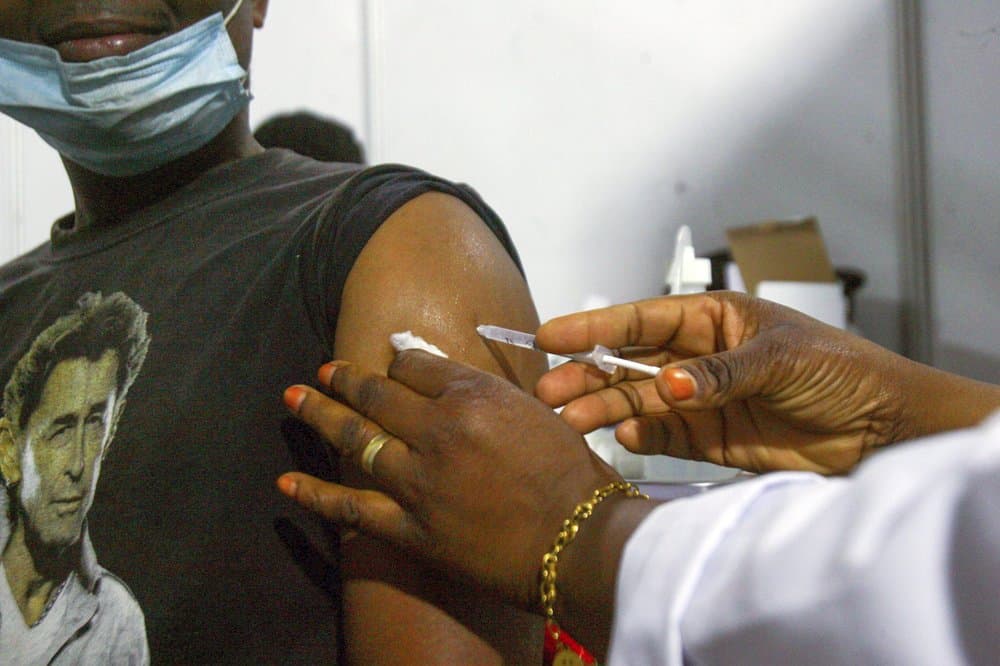
Despite strong recovery from pandemic-era setbacks — the Americas is currently the only region to surpass pre-COVID vaccination rates — PAHO warned that about 1.3 million children under age one still lack basic, life-saving vaccines. Measles outbreaks in six countries, due to gaps in MMR (measles, mumps, and rubella) vaccine coverage, underscore the need for vigilance. This week, 2.5 million doses of measles-containing vaccines will be administered to help close the gap.
Caribbean public health agencies are actively participating in this year’s campaign, often working in tandem with diaspora organizations to extend outreach and education. Across the region and in Caribbean diaspora hubs like New York, Toronto, and London, health groups are using the occasion to promote routine vaccinations and dispel misinformation, particularly among younger and migrant populations.
“Getting vaccinated is an act of love,” said Panama’s First Lady, Maricel Cohen de Mulino, at the event. “It’s about protecting ourselves and the people we love most.” Her message resonates across the Caribbean, where community and family health remain deeply intertwined.
PAHO also highlighted the importance of the Revolving Fund, a regional mechanism that helps Caribbean and Latin American countries procure affordable vaccines and supplies — ensuring smaller nations like those in the Eastern Caribbean have timely access to essential immunizations.
This year’s theme, “Your decision makes a difference. Immunization for all,” reflects the collective goal of building equitable, disease-free societies throughout the Americas. For Caribbean nations, that goal includes not only saving lives but preserving the public health gains of decades past.