Despite the urging by health officials for people in the community to have preventative medical tests conducted to prevent the onset of serious diseases like cancer, a large percentage are not heeding this call. While some people cannot afford these tests because of the related costs, other are plain scared. One of tests people tend to be more scared of is the colonoscopy, mostly because of the process required to prepare for the test, and, amazingly, what the test may reveal.

Retired South Florida gastroenterologist, now medical school lecturer, Dr. Rafeel Jacobison, advises that a colonoscopy is imperative for everyone over age-50.
What is a colonoscopy?

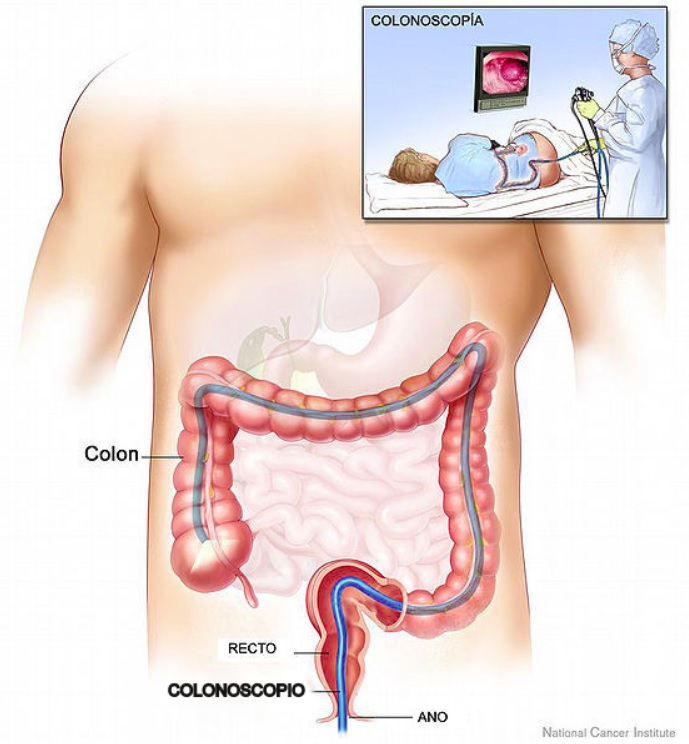
He cited that the colonoscopy is a procedure that enables a gastroenterologist to evaluate the human colon, or large intestine, using a four-foot long, flexible tube called a colonoscope. The thin tube has a camera and a light at its tip, which is inserted into the patient’s anus and slowly advanced with the aid of a video monitor slowly through the colon.
The purpose of the colonoscopy is to check if the colon is healthy, and devoid of the presence of polyps, or growths on the wall of the colon, which could be cancerous.
Risk factors
People having a family history of colon problems including colon cancer, ulcerative colitis and colonic polyps, tend to be at higher risk for colon polyps and/or colon cancer and should seek to have periodic colonoscopies.
It’s recommended healthy people at normal risk for colon cancer should undergo colonoscopy at age 50 and every 10 years thereafter, for the purpose to check for, and removing colonic polyps before they become cancerous.
Dr. Jacobison said while most colonoscopies are conducted as a screening programs for colon cancer, it is also useful to investigate symptoms like blood in the stool, abdominal pain, persistent diarrhea, or radical changes in bowel habit.

Preparing for a colonoscopy
Referring to what some people refer to the “hated” or “dreadful” preparation for a colonoscopy, Dr. Jacobison explained it is imperative that the colon be completely cleaned, free of fetal matter, prior to the test. In most cases patients are required to drinking a special cleansing solution, and large quantities of water, 24-hours night before the procedure. “Most people dislike this because it requires frequent trips to the toilet. But it’s the only way to ensure the colon is totally cleaned. The patient must pass very clear fluid before the procedure. In addition to consuming a special purgative-like solution, patients should avoid consuming red, blue, and purple color food the day before the procedure, as well as foods with seeds.”
The procedure
During the test, the patient will be given intravenous fluids. The patient is also attached by tubes to a monitor for monitoring heart rhythm, blood pressure, and oxygen in the blood. Normally, the patient is also sedated so that they are totally relaxed or asleep during the procedure, while lying on his/her left side or back.
The procedure can take from 15 to 60 minutes, depending whether, or not, abnormalities are detected.
Finding polyps
If polyps are detected, they most likely will be removed through the colonoscope. Removal of these polyps, isn’t painful and extremely important as a means to preventing colorectal cancer. Dr. Jacobsison said it important to remove the myth that all polyps are cancerous. “This is untrue. Overwhelmingly, polyps are benign, that is non-cancerous. Although a biopsy may be taken of polyps found during the test, this is a preventative measure, and doesn’t mean that cancer is even suspected.”
If a biopsy of the polyp is done, it is submitted to a pathologist for related examination, to determine if it is benign or has cancer cells.
Post procedure
After the colonoscopy is completed the patients is removed to a recovery room until the sedatives that were given wears off. It is advised that because of this sedation patients be accompanied to the test site by someone who will drive them home. It is dangerous for a sedated patient to drive a vehicle after the procedure if they even belief they feel okay.
If no polyps were found, or polyps removed without necessitating a biopsy, the patient may be given the results of the test prior to leaving the testing site. However, if a biopsy was done it could take a few days before they are given the full result.
The doctor explained some patients could experience some stomach cramping or bloating after the procedure. “This is because air has entered the colon during the procedure, but this discomfort quickly passes by the patient passing gas. If polyps were not removed the patient can eat normally on returning home. If polyps were removed, they may be placed on a bland diet for a day or two.”
Vitally necessary
He reiterated that colonoscopies “are routine, but vitally necessary procedures, which should not be feared. It’s always better to be aware of the health of the colon, than not to know and become a victim of a serious colon ailment like cancer, when it’s too late.”