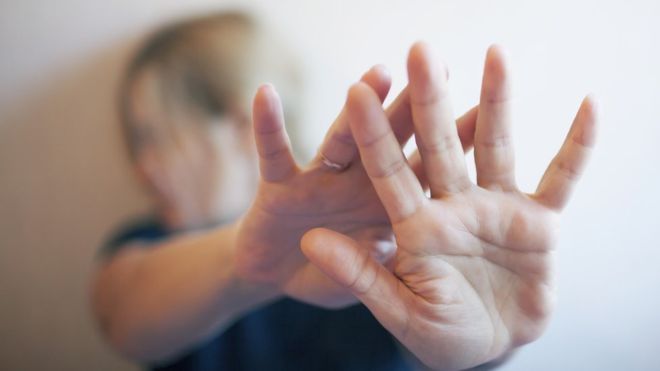
Waking up to screams, thuds, angry shouting, and the sickening sound of someone crashing into a wall, a table, a door. This is the cruel reality of many children and young people across several countries.

As economies, institutions and social welfare sectors continue to buckle under the strain of the unprecedented COVID-19 pandemic crisis, there’s a dangerous escalation in the risk to millions of people caught in the clutches of domestic and gender-based violence.
Emerging evidence on the impact of essential lockdown measures and the economic fall out of the pandemic on gender-based and domestic violence paints a frightening picture.

The crisis has led to an alarming escalation of violence in the home, with women bearing the brunt of the frustration and anger. In some areas, there even have been reports of women being prevented from seeing doctors and female doctors being spat on while testing other women for COVID-19.
In the British Commonwealth, including the Caribbean, there are surging numbers of emergency calls to helplines – with rises of anything between 25 and 300 percent, dramatic increases in internet searches for support for those affected by domestic violence, and higher numbers of domestic homicides. These are extremely disturbing trends, which cannot be ignored.
Experience teaches that women tend often to be at a disadvantage during crises, epidemics and now this pandemic and that domestic violence tends to increase. In West Africa, 60 percent of total deaths in the 2014 Ebola outbreak were women. Following the Canterbury earthquake in New Zealand, there was a 53 percent rise in domestic violence.
In many cases, this is because gender roles and harmful practices, including customs such as early and forced marriage, limit women’s access to health services. Women do three times as much unpaid care work at home compared to men and make up 70 percent of workers in the health and social care sectors. Women are squarely in the infection’s path.
During the current COVID-19 pandemic, mass school closures have entrenched learning gaps between girls and boys, and put more girls at risk of sexual exploitation, early pregnancy, and early or forced marriage.
School closures also mean children are unable to report abuse to trusted teachers. Also, with restrictions on home visits by police and health workers; violence shelters being converted into health facilities, and courts forced to close, many victims may find themselves trapped and feeling abandoned.

Mitigating the devastating impacts of this hidden pandemic of domestic violence requires strong and concerted action. So, the Commonwealth Secretariat is working alongside partner organizations on measures to help the 54-member countries stem the rising tide of gender-based violence.
In meetings with counterpart organizations like the Organization Internationale de la Francophonie, the Pacific Island Forum, the Council of Europe and the Community of Spanish Language Countries, the Secretariat have explored collaboration and mechanisms to ensure women are at the center of post-COVID recovery planning. The Secretariat will work with its respective members to implement policy responses and interventions to safeguard those at risk.
There’ll be a particular emphasis on creating opportunities through virtual meetings and seminars. Commonwealth countries share knowledge, resources and experience on how best to navigate through the rapidly evolving processes and circumstances within which they operate. It’s encouraging, in this regard, that throughout the Commonwealth there’s evidence of renewed commitment and action to end violence against women and girls.
What is clear from meetings with officials and development leaders is the immense urgency of taking action to protect women and girls who are being abused, isolated, and even killed in their homes. Sadly, children living in violent homes not only witness violence but may themselves suffer abuse.
Violence in the home is one of the most pervasive human rights challenges of our time. The Commonwealth collectively stands ready to bring the power of its advocacy and support to the planned UN Declaration on Women and COVID-19.
** Patricia Scotland is the Commonwealth Secretary-General.