CDC deactivating emergency response for Zika virus

The Centers for Disease Control is deactivating its emergency response to the spread of the Zika virus in the US to routine status.

- Advertisement -
CoM Job Fair-728x90

The CDC deactivated its emergency response for Zika virus (Zika) to transition efforts to normal program operations on September 29.

Emergency Operations Center (EOC)

On January 22, 2016, CDC activated its Emergency Operations Center (EOC) in response to the devastating effects of Zika virus infection in the US during pregnancy. A team of experts from across the agency, called the Zika Coordination and Operations Transition Team (ZCOTT), will lead the transition from EOC activation to routine, long-term activities and will ensure timely coordination and collaboration on scientific, communication, and policy activities.

CDC’s EOC is the agency’s command center for monitoring and coordinating emergency response to public health threats and has been activated previously for events such as natural disasters, the 2009 H1N1 influenza pandemic, and the 2014 Ebola outbreak, among others.

Protecting Americans from Zika

Since the 2016 EOC activation for Zika, experts from across the agency have worked to protect Americans, especially pregnant women, fetuses, and infants, from the emerging virus and its devastating consequences. CDC will continue its work to protect these groups by providing support for healthcare providers as they counsel pregnant women affected by Zika and provide follow-up care to their infants. CDC recognizes the continued need for coordination among federal, state, and local levels to provide services for families affected by Zika and will provide technical assistance as resources permit.

Zika threat hasn’t lessened

Deactivation does not mean that the threat of Zika has lessened in importance or that people are no longer at risk of infection.

- Advertisement -
Uber Free Rides 728x90

Zika continues to be a public health threat in the United States and internationally. Zika is still a risk for pregnant women, and the continental United States and Hawaii will continue to see some travel-related cases as travelers visit countries and territories with risk of Zika transmission.

The possibility of local transmission in the continental United States and Hawaii still exists. CDC remains committed to protecting the health of Americans and will continue working to protect the nation from the threat of Zika.

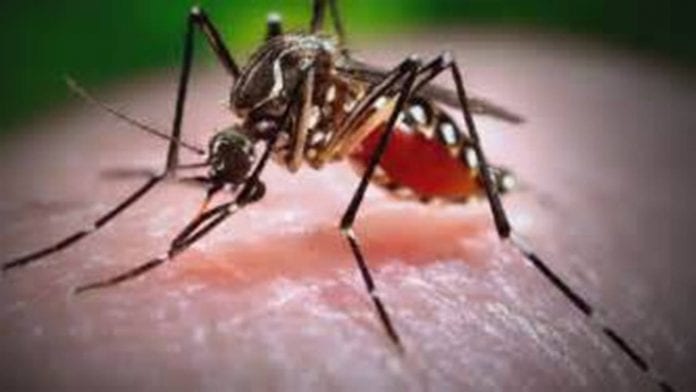
As a reminder, CDC recommends travelers to areas with a risk of Zika to take steps to prevent Zika by preventing mosquito bites and sexual transmission of Zika during and after travel. CDC continues to recommend that pregnant women avoid travel to areas with risk of Zika.

More Stories

Antigua to amend law to fine those who use marijuana in Public

Two different perspectives on cannabis use in sports

At his 2021 Pro Football Hall of Fame enshrinement, legendary Detroit Lions wide receiver Calvin Johnson issued a direct challenge to the world of...
heatwaves climate crisis Caribbean

Skin Cancer Awareness Month highlights sun exposure risk

The Caribbean is defined by its sunshine—beaches, tourism, outdoor living, and year-round heat. But that same sun exposure is also driving a health issue...
hypertension

Why hypertension remains one of the Caribbean’s deadliest health threats

Ahead of World Hypertension Day, health experts are again warning that hypertension—often called the “silent killer”—remains one of the region’s most persistent and underestimated...
flu Caribbean

Caribbean reaches 95% childhood vaccination target

Childhood vaccination coverage across the Caribbean has reached the 95 percent regional target, up from 92 percent in 2022, marking a major milestone in...
vaccination Broward county

PAHO urges vaccination push as measles cases surge across the Americas

The Pan American Health Organization (PAHO) is calling on countries across the region to intensify immunization campaigns during Vaccination Week in the Americas, running...

Practical ways small distributors can create more storage space

Ever noticed how a warehouse can feel “full” long before it actually is? You walk in, hear the low hum of forklifts, see boxes creeping...
Gold coins

How gold coin investments support long-term wealth protection in 2026

To create financial security in shifting economic times, consistent and predictable decisions are needed. People are no longer focusing on digital resources and printed...
Valentine's Day roses

5 mistakes to avoid when buying flowers for big events

Professional event planners must maintain high standards to ensure every floral arrangement looks spectacular. Direct coordination with floral experts provides the best results for...
breastfeeding of newborn babies

WHO certifies The Bahamas for eliminating mother-to-child transmission of HIV

The World Health Organization (WHO), alongside the Pan American Health Organization (PAHO), has congratulated The Bahamas Ministry of Health and Wellness for achieving certification...
social media

Keeping your family safe online: A practical guide for parents

If you’re concerned about your family’s online safety (as all parents should be), then there are a number of precautions and principles worth bearing...

Latest Articles