By Garth A. Rose
On Tuesday, the relatively small room at the Broward County Health Department in Fort Lauderdale was jammed with over 200 people eager to contribute to the pending Florida regulations related to the state’s medical marijuana laws.
The public hearing was the first in several convened by the Office of Compassionate Use (OCU), the state agency that regulates the use and distribution of medical marijuana. These public hearings have been scheduled as part of the state’s responsibility to establish the regulations based on the approved of the medical marijuana amendment in last November’s general elections.

The large, enthusiastic crowds on Tuesday, including medical doctors, attorneys, school officials, and people afflicted with various ailments who have benefitted from using marijuana as treatment, and anxious to have legal access to the herb.
The two-hour meeting heard draft proposals already prepared by the OCU, to which the public response and input is being sought.
However, as Palm Beach County attorney Julius Brooks explained, “The process to finalize these regulations is frustratingly tedious. Even with the public’s input, and OCU’s final proposals, the ultimate regulations will depend on related laws to be passed by the Florida Legislature when they meet next month.”
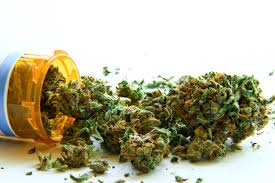 According to the terms of Constitutional Amendment 2, approved by voters last year, the state has until July 1 to announce the required regulations.
The suggestions made by the public on Tuesday were varied, but focused on making the medication available as soon as possible, easily accessible to those who genuinely need it, and not accessible to children or those who need the herb for recreational purposes.
Several doctors sought to reduce a state proposal that require patients to have to wait 90-days from first being examined by a doctor and determined to need medical marijuana until the doctor can prescribe the drug.

“That’s ridiculous,” said Dr. Antony Lewin of Boca Raton. “A patient suffering from cancer, and in excruciating pain will need the medication to help him immediately. In 90 days, the man could be deceased.”
Dr. Lewin also wants the state to be more “flexible” to what ailments are applicable to medical marijuana prescriptions.
Under the state’s current proposals medical marijuana would be approved to treat patients suffering from cancer, epilepsy, glaucoma, HIV/AIDS, PTSD, ALS, Crohn’s disease, Parkinson’s disease, and multiple sclerosis.
Officials from South Florida school districts suggested that the dispensaries for medical marijuana be established at “safe distances” from schools. They also want the packaging for the drug to be such that the packets doesn’t appeal to young children.
Denver Pratt, a Jamaican-American, told National Weekly after the meeting he was conflicted about medical marijuana. “I want the state to hasten the regulations. I have Parkinson disease and have used marijuana to control my tremors and balance. However, I have sons that smoked the weed and have seen the negative effects on them. I am all for relatively easy access to medical marijuana, but these must be effective regulations.”
Similar public hearings are scheduled this week in Orlando, Tampa and Tallahassee. Members of the public can also make their input re the proposals online at www.floridahealth.gov.