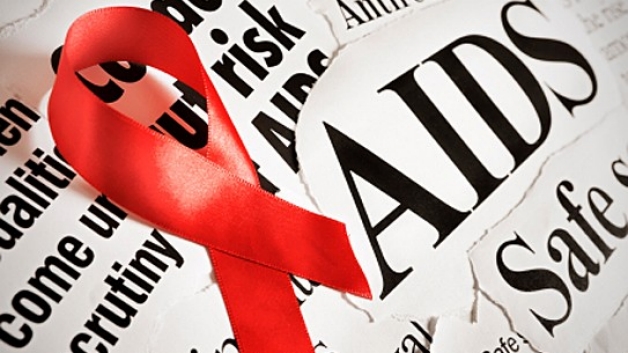
As the world marked World AIDS Day on December 1, the Caribbean’s struggle with HIV/AIDS remains a pressing health challenge, but progress has been made over the last decade.
According to UNAIDS, the number of new HIV infections in the Caribbean decreased by 15% between 2010 and 2022, with declines slightly stronger among men (18%) than women (10%). Similarly, AIDS-related deaths dropped by 53% during this period, with a higher rate of decline among women (56%) compared to men (51%).
Globally, the trends echo this progress. In 2023, there were 1.3 million new HIV infections worldwide—approximately 3,500 per day. This represents a 39% reduction compared to 2010, when there were 2.1 million new infections. AIDS-related deaths also decreased substantially, with 630,000 deaths in 2023, reflecting a 51% drop since 2010 and a 69% decrease from the peak of 2 million deaths in 2004.

Despite these gains, HIV prevalence in the Caribbean remains a concern. While the overall prevalence rate is 1.2%, certain key populations face much higher risks. UNAIDS data reveals a median prevalence of 39.4% among transgender people, 11.8% among gay men and other men who have sex with men, 3.6% among people in prisons, and 2.6% among sex workers. These disparities highlight the urgent need for targeted interventions and inclusive policies to address vulnerabilities in these groups.
The epidemic in the region is also fueled by socio-cultural taboos, economic disparities, and systemic healthcare deficiencies. Stigma and discrimination remain significant barriers to education, prevention, and treatment. Although some progress has been made—such as the repeal of colonial-era laws criminalizing same-sex relationships in Antigua and Barbuda, Barbados, and Saint Kitts and Nevis in 2022—many countries still uphold policies that undermine public health responses.
The Caribbean’s response to HIV/AIDS relies heavily on external financing. In 2022, over 70% of the region’s HIV funding came from international sources, despite many Caribbean nations being classified as upper-middle-income. While domestic contributions have grown by 15% since 2021, high national debts and economic constraints hinder efforts to increase local investment. Low-income countries like Haiti, with a high HIV burden, require continued international support to sustain their HIV responses.
Progress in reducing new infections and AIDS-related deaths demonstrates the effectiveness of increased treatment coverage and prevention initiatives. However, as UNAIDS highlights, structural factors such as income inequality, lack of access to care, and stigma must be addressed to ensure long-term success. Transitioning to sustainable financing models is critical for the Caribbean to build on current progress and combat the epidemic effectively.
The Caribbean’s experience reflects global disparities in the fight against HIV/AIDS. While wealthier countries have made significant progress in reducing new infections and deaths, low- and middle-income regions like the Caribbean continue to grapple with structural barriers. These include limited healthcare resources, stigma, and socio-economic inequities, which exacerbate the vulnerability of already marginalized populations. By fostering collaboration between local governments, international organizations, and community-based initiatives, the Caribbean can serve as a model for addressing the structural drivers of HIV/AIDS, creating a ripple effect that extends beyond the region.
As we reflect on the achievements of World AIDS Day, the Caribbean’s battle against HIV/AIDS serves as a reminder of the resilience and collective action needed to overcome this global health challenge.