The Inter-American Commission on Human Rights (IACHR) has called on states to implement culturally appropriate policies to ensure equitable health care and reduce maternal mortality among Afro-descendant girls, women, and people with childbearing capacity.

In observance of the International Day of Afro-Latina, Afro-Caribbean, and Diaspora Women, the IACHR highlighted the structural and intersectional discrimination, stigmatization, and racism faced by Afro-descendant individuals in health facilities.
“This discrimination hinders access to comprehensive information and education, periodic health check-ups, preventive health care, and timely prenatal care, thus violating their right to sexual and reproductive health,” the IACHR stated.

The Commission expressed concern that other forms of gender and ethnic-racial violence and discrimination, such as poverty, lack of access to education and social services, and physical, sexual, and obstetric violence, directly impact the sexual and reproductive health of Afro-descendant women, girls, and people with childbearing capacity, increasing the risk of maternal mortality.
The Belém do Pará Convention mandates states to guarantee women’s right to live free from violence and to fully enjoy all other regionally and internationally recognized human rights. Both the IACHR and the Inter-American Court recognize obstetric violence as a form of gender-based violence that violates inter-American treaties, including rights to dignified treatment, equality, non-discrimination, health, and personal autonomy.
The Pan American Health Organization identifies maternal mortality as a key indicator of sexual and reproductive health. Available data show that Afro-descendant women have higher maternal mortality rates compared to non-Afro-descendant women.
In the United States, the Centers for Disease Control and Prevention reported a maternal mortality rate of 32.9 per 100,000 in 2021, with the rate for Black women at 69.9. In Colombia, Suriname, and Brazil, maternal mortality rates for Afro-descendant women are 93, 185, and 190.8 per 100,000, respectively, significantly higher than those for non-Afro-descendant women.
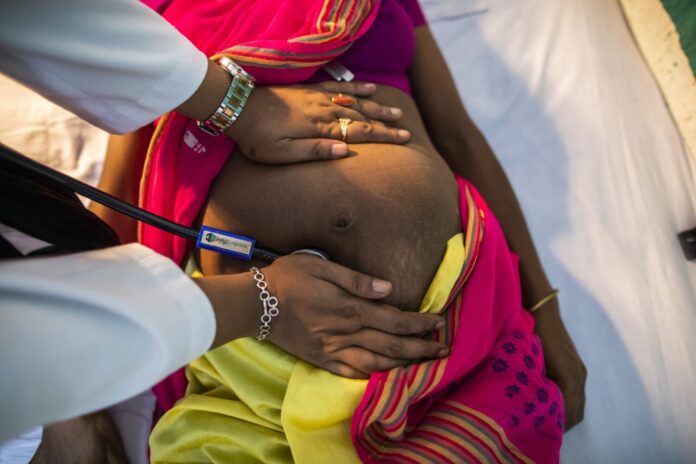
The Commission emphasizes the need for accessible, accurate, and comprehensive health information and services to maintain sexual and reproductive health. Pregnant individuals require timely and regular prenatal care to reduce maternal mortality.
The IACHR urges states to adopt differentiated policies ensuring access to quality sexual and reproductive health services and prenatal care for Afro-descendant women, girls, and people with childbearing capacity. It also encourages collaboration with Afro-descendant communities to ensure that health care providers and practices are culturally appropriate and well-informed.

The IACHR, an autonomous body of the Organization of American States (OAS), promotes and defends human rights in the region and advises the OAS in this area. Composed of seven independent members elected by the OAS General Assembly, the Commission operates without representing their countries of origin or residence.