In a major move to enhance the training of health professionals, the Jamaican government has unveiled a significant financial commitment.

The new Dr. Barry Wint Memorial Scholarship and Development Fund, announced during the 2024/25 Sectoral Debate in the House of Representatives, earmarks $2.5 billion to be distributed over five years. This initiative aims to boost the number of qualified practitioners in various health disciplines.
Expanding opportunities in health education
Set to commence in September 2024, the scholarship fund will provide $500 million annually, supporting Jamaican students pursuing careers in critical areas such as nursing, medicine, public health, and more.

This initiative aims to fill the current gap in qualified health professionals and equip them with the necessary tools to manage modern healthcare challenges.
Enhancing training with international exposure
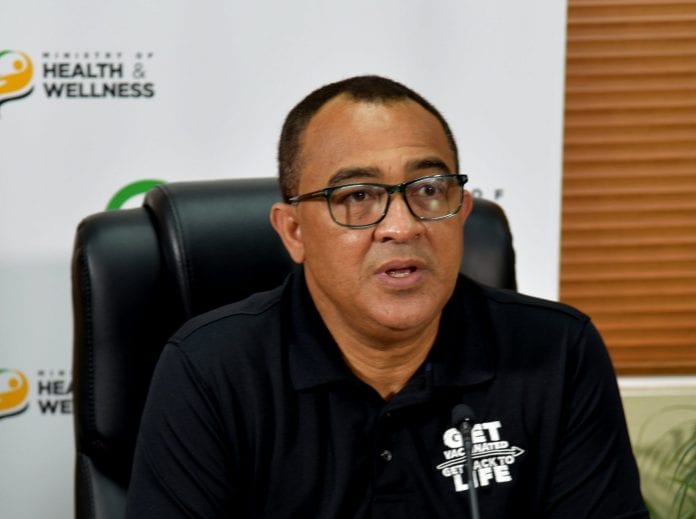
The Ministry of Health and Wellness, under the leadership of Dr. Christopher Tufton, is looking to broaden the educational experiences of future health workers.
Plans are in place to integrate overseas clinical rotations and utilize remote faculty resources.
This approach seeks to provide a more diverse and comprehensive training environment, preparing candidates to handle advanced health systems and technologies.
Innovative work arrangements to retain talent
Dr. Tufton highlighted the need for flexible work arrangements that could benefit health professionals both locally and abroad.
Proposing a model where nurses could work part-time in countries like the United Kingdom and then return to Jamaica, the government aims to offer the best of both worlds—enhanced earning potential overseas coupled with the opportunity to serve in their home country.

Collaboration and long-term strategies in health training
The initiative also recognizes the importance of international collaboration in training health professionals.
By partnering with institutions outside Jamaica, the program not only prepares personnel for domestic service but also for roles abroad, potentially leading to a global exchange of knowledge and skills.
Dr. Tufton called upon institutions to embrace adaptive training methods.