As the holiday season unfolds, U.S. health officials are sounding a warning about an impending surge in flu and COVID-19 infections.
This surge is attributed to a combination of factors, including increased holiday gatherings, a significant number of unvaccinated individuals, and the emergence of a potentially more transmissible version of the coronavirus.
Rising incidence of flu-like illnesses in multiple states
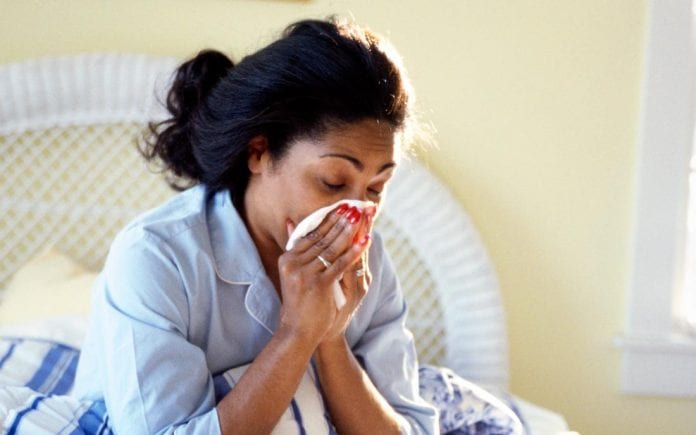
The Centers for Disease Control and Prevention (CDC) reported the prevalence of flu-like illnesses across the country.

Last week, 17 states saw a surge in these illnesses, up from 14 in the previous week.
Reports are that Dr. Manisha Patel, a CDC spokesperson, highlighted the increased travel activity this season as people eagerly reunite with their families during the holidays.
This surge in travel is contributing to the spread of respiratory viruses.
Monitoring the Omicron Variant: JN.1
Health officials are monitoring the spread of a new version of the ever-evolving coronavirus, known as JN.1.
The omicron variant, first detected in the U.S. in September, now accounts for approximately 20 per cent of cases. The CDC anticipates that this percentage will rise to 50 per cent within the next two weeks.
While JN.1 may spread more easily and potentially evade the immune system to some extent, there is currently no evidence suggesting it causes more severe illness than other recent variants. Importantly, vaccines and antiviral medications continue to demonstrate effectiveness against it.

Flu vaccination rates decline
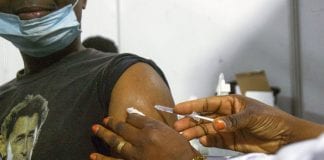
Despite the promise of a well-matched flu vaccine for the prevalent strain, vaccination rates have declined this year. Approximately 42 per cent of U.S. adults had received flu shots by the first week of December, down from the previous year’s 45 per cent, according to CDC data.
This drop in vaccination rates is not limited to the flu; the uptake of COVID-19 boosters has also been sluggish, with only around 18 per cent of Americans receiving the updated COVID-19 shot introduced in September.
Even in nursing homes, where residents are among the most vulnerable, only about a third are up to date with their COVID-19 vaccines.
Lackluster response to respiratory virus vaccination
Moreover, only 17 per cent of adults aged 60 and older have received updated shots to protect against another respiratory virus, respiratory syncytial virus (RSV). RSV typically causes mild cold-like symptoms but poses a significant risk to infants and older individuals.
In response to these concerning trends, the CDC has taken the unusual step of issuing a health alert to U.S. doctors, urging them to prioritize immunizing their patients against the trio of viruses.
Associated Press contributed reporting.