Pelvic health in focus: A St. Kitts retreat encouraging Caribbean women to break the silence
Key Points(5)
- But health professionals are increasingly challenging that narrative.
- Studies show that nearly one in three women will experience some form of pelvic floor dysfunction in their lifetime — including urinary incontinence, pelvic organ prolapse, and chronic pelvic pain.
- Despite how common these conditions are, awareness remains limited, particularly among Caribbean women and women of color.
- For pelvic health physical therapist Nadia Mills, who traces her roots to St.
- Kitts and Nevis, this silence is both cultural and consequential.
Across the Caribbean and its diaspora, conversations about women’s pelvic health have long lived in the margins — shared in hushed tones, masked in humor, or dismissed as “just part of being a woman.” From urinary leakage after childbirth to persistent pelvic pain and digestive discomfort, many women have been conditioned to endure symptoms rather than question them.
But health professionals are increasingly challenging that narrative.
Studies show that nearly one in three women will experience some form of pelvic floor dysfunction in their lifetime — including urinary incontinence, pelvic organ prolapse, and chronic pelvic pain. Despite how common these conditions are, awareness remains limited, particularly among Caribbean women and women of color.
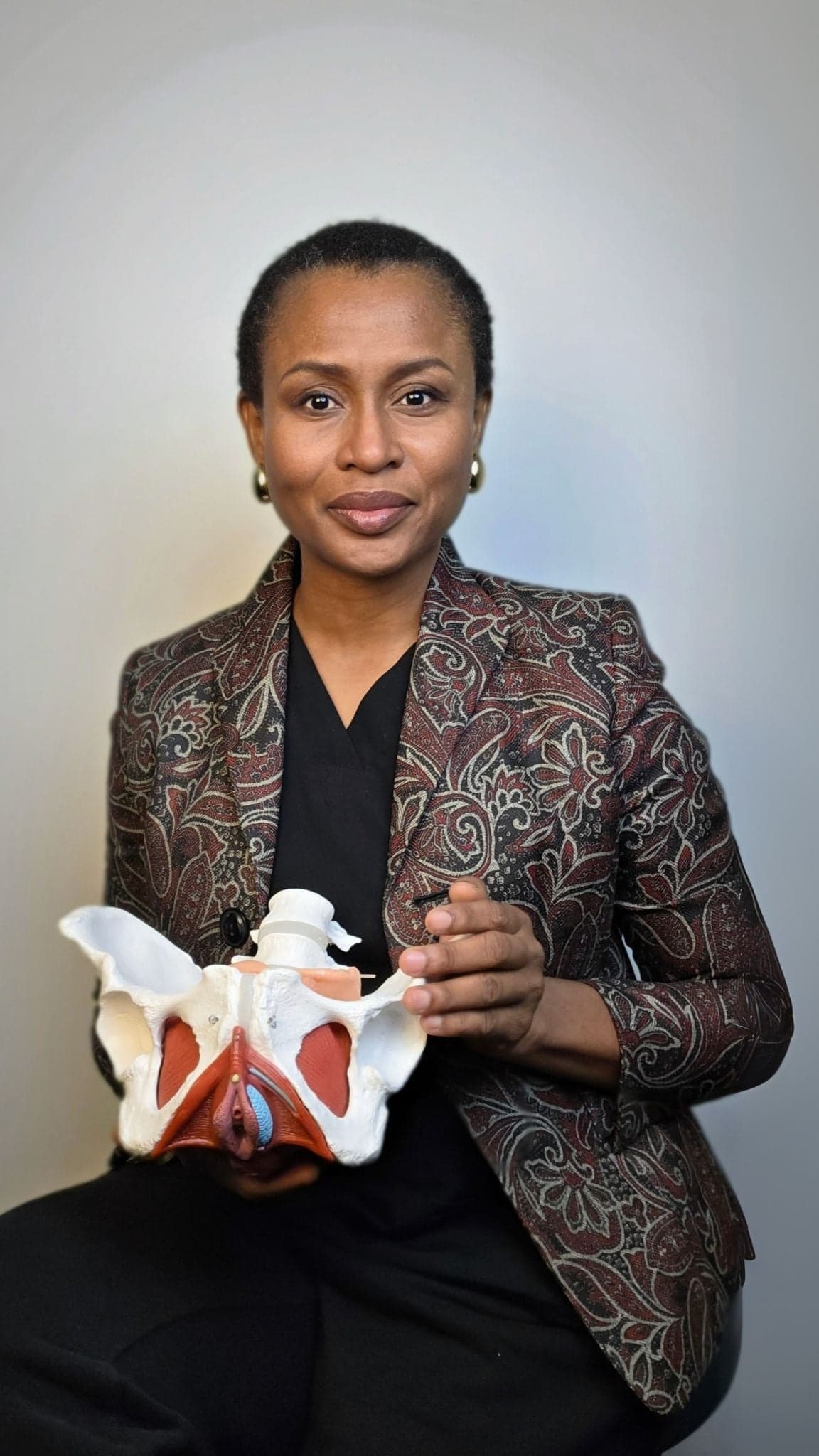
For pelvic health physical therapist Nadia Mills, who traces her roots to St. Kitts and Nevis, this silence is both cultural and consequential.
“As a pelvic health physical therapist, I’ve seen how much unnecessary suffering comes from that silence,” she says.
Mills is one of the cofounders of Sunrise & Stillness, a three-day wellness retreat taking place April 3–5, 2026, at Belle Mont Sanctuary at Kittitian Hill in St. Kitts. While the retreat includes elements like movement, skincare, nutrition, and emotional well-being, its deeper mission is to create space for open, informed conversations about pelvic health — a topic often overlooked in Caribbean communities.
When “normal” isn’t healthy
In Caribbean culture, many bodily experiences are normalized through humor rather than addressed medically.
Mills points to longstanding cultural references — including popular calypso songs that joke about constipation — as examples of how common symptoms are often laughed off instead of examined. Yet medically, constipation can be a sign of pelvic floor dysfunction, a condition affecting the muscles that support the bladder, bowel, and reproductive organs.
Symptoms can range from urinary leakage and bowel irregularities to pain and discomfort during intimacy.
Because these issues are so frequently normalized, many women never seek care.
“Women are often told that leaking after childbirth is normal, or that pelvic pain is something to live with,” Mills explains. “But many of these symptoms are treatable.”
Left unaddressed, pelvic floor dysfunction can contribute to chronic discomfort, digestive issues, and a reduced quality of life.
Strength, silence, and cultural expectations
The reluctance to seek help is often rooted in deeper cultural expectations.
Caribbean women are widely recognized for their resilience — balancing careers, caregiving, entrepreneurship, and community leadership. But that strength can sometimes come at the expense of personal health.
“Culturally, many Caribbean women are raised to be givers,” Mills says. “We’re taught to be strong and independent, but not always taught to prioritize our own well-being.”
As a result, many women push through pain or discomfort without fully understanding what their bodies are experiencing.
“What women often need most is knowledge, community, and reassurance that what they’re feeling is valid,” she adds.
A Caribbean approach to wellness
While wellness retreats have become increasingly popular worldwide, Sunrise & Stillness is grounded in a distinctly Caribbean perspective — one that sees healing as both personal and communal.
“Caribbean cultures have always understood that healing is not just clinical,” Mills explains. “It’s environmental, cultural, and rooted in community.”
For generations, wellness practices across the region have included herbal remedies, nourishing foods, time in nature, and shared spaces for conversation and support.
Cofounder Anastasha Elliott, a St. Kitts–based wellness practitioner and founder of Sugar Town Organics, says the retreat is also about reconnecting women with that inherited knowledge.
“For generations, Caribbean women carried healing knowledge in quiet ways — through the teas they made, the foods they prepared, and how they cared for their bodies,” Elliott says. “But much of that has been lost or overshadowed.”
Hosting the retreat in St. Kitts is intentional. The island’s natural landscape provides a setting for rest, reflection, and reconnection.
“This experience is about remembering that our bodies deserve care,” Elliott adds.
Understanding the body as a whole
At the core of the retreat is a holistic approach to health.
Pelvic health does not exist in isolation. It is influenced by posture, movement, stress, nutrition, sleep, and emotional well-being. Addressing one area without considering the others often leaves underlying issues unresolved.
“Pelvic health education helps women understand how their bodies actually function,” Mills says.
Through guided sessions and open discussions, participants are encouraged to better understand their bodies — often for the first time.
Supporting women through life transitions
The retreat is designed particularly for women navigating periods of transition — including pregnancy, postpartum recovery, perimenopause, and midlife shifts.
“Many women spend years caring for others and moving through life at a fast pace,” Mills says. “At some point, they realize they haven’t been checking in with themselves.”
By creating space for reflection and education, Sunrise & Stillness aims to support women in reconnecting with their bodies and their health.
A growing movement in Caribbean women’s health
For Mills and Elliott, the retreat represents more than a single event. It is part of a broader shift taking place across the Caribbean and its diaspora — one where women are beginning to reclaim conversations about their health.
“My vision is for this to become an annual gathering,” Mills says. “A space where education, culture, and community come together.”
The initiative also connects to ongoing efforts to expand pelvic health education and access to care, both in the Caribbean and among Caribbean communities abroad.
Ultimately, the goal is simple but powerful: awareness.
“I want women to understand that their bodies are not broken,” Mills says. “Many of the symptoms they experience have explanations — and solutions.”
As more women begin to ask questions, seek care, and share knowledge, the long-standing silence around pelvic health may finally begin to shift — replaced by informed, open, and empowering conversations.