Queen’s Park Savannah: The Heart of Trinidad's Capital
Key Points(5)
- <h3>This is Port of Spain’s largest open recreational space in Trinidad and Tobago and the center stage for the popular Carnival.
- It occupies about 260 acres of level land, and the distance around the perimeter is about 2.2 miles.
- At first, it was used as a vast cattle pasture in what was then the town's suburbs, but by the middle of the 19th century, it had become established as a park.
- In the early 20<sup>th</sup> century, it was used as an airstrip when there were no airports.
- Until the early 1990s, horse racing was held frequently at the Savannah racetrack, it also contains several cricket, football, and rugby pitches.
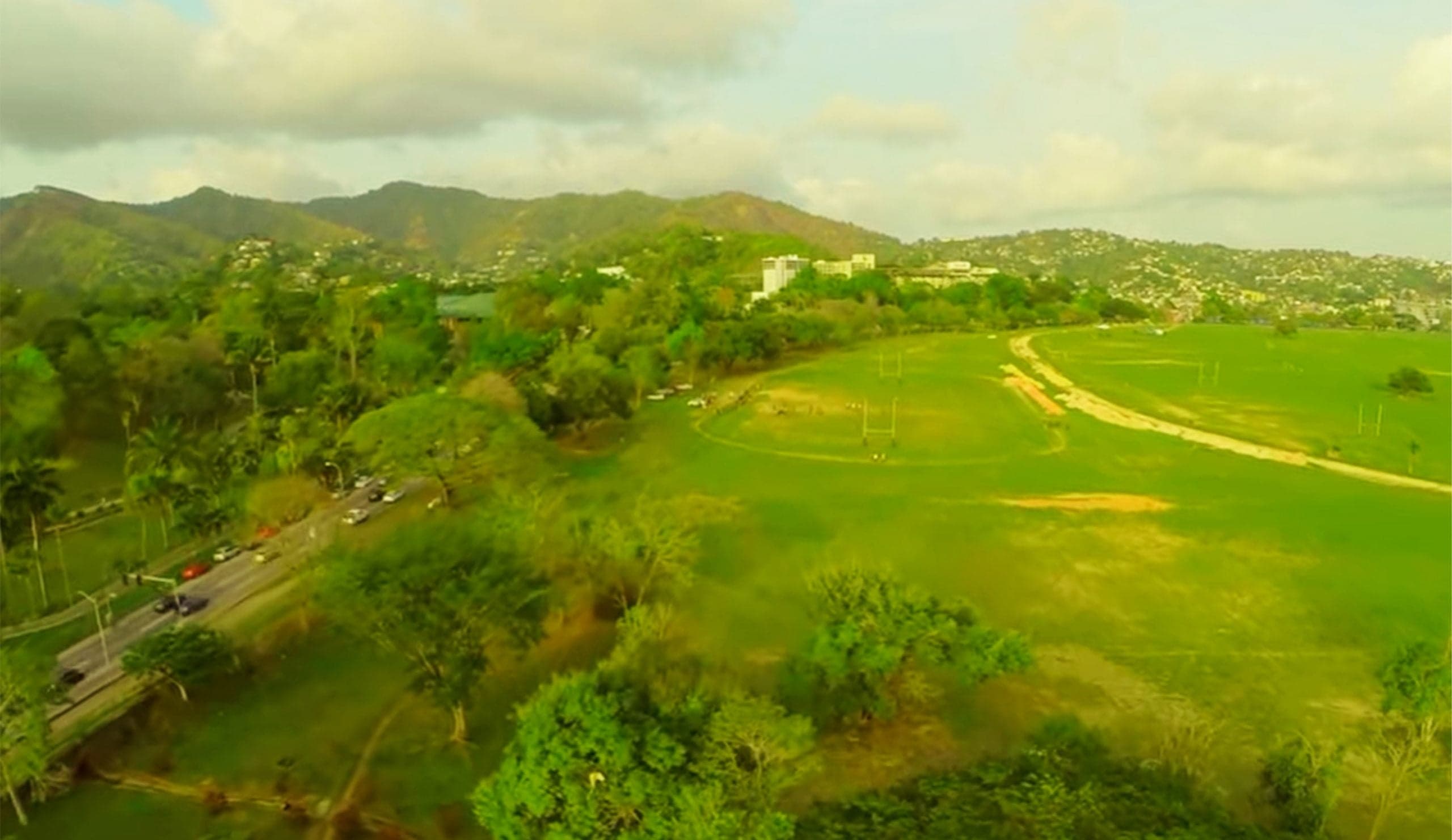
This is Port of Spain’s largest open recreational space in Trinidad and Tobago and the center stage for the popular Carnival. It occupies about 260 acres of level land, and the distance around the perimeter is about 2.2 miles. Covered with low grass and lined with impressive trees, Queen’s Park Savannah is beloved by sports enthusiasts, families, and couples who bring it to life on afternoons and weekends.
Once sugarcane farmland, it was bought by the town council in 1817 from the Peschier family (except for a small parcel near its center that served as the Peschier cemetery, which remains in private hands).At first, it was used as a vast cattle pasture in what was then the town's suburbs, but by the middle of the 19th century, it had become established as a park. In the early 20th century, it was used as an airstrip when there were no airports. Until the early 1990s, horse racing was held frequently at the Savannah racetrack, it also contains several cricket, football, and rugby pitches.
More Places: Visit Trinidad's Temple in the Sea
The park itself along with the surrounding attractions such as the Botanic Gardens, and the zoo make up the ideal spot. Much of Port of Spain’s architectural heritage is preserved along the western edge of the Savannah, where the Magnificent Seven, a group of early 20th century buildings are located. These include the Queen’s Royal College; the residences of the Anglican bishop (Hayes Court) and the Roman Catholic archbishop, Mille Fleurs, Roomor Whitehall (once the office of the prime minister), and the majestic Stollmeyer’s Castle ostensibly modeled on the Scottish Balmoral Castle.
On Savannah's southern side is the Grand Strand, formerly used for viewing horse races, now used for various cultural events, most notably Carnival, when a temporary north stand and raised stage are constructed in front of the grandstand, creating the "Big Yard", Carnival's central location since the early 20th century.