US imposes visa restrictions on African, Cuban, and Grenadian officials over Cuban medical missions
Key Points(5)
- The United States has announced visa restrictions on African, Cuban, and Grenadian government officials — as well as their family members — over their alleged roles in a Cuban government program that exports medical professionals under coercive conditions.
- says the arrangement enriches the Cuban government and constitutes a form of forced labor.
- We call on all nations that support democracy and human rights to join us in this effort to confront the Cuban regime’s abuses and stand with the Cuban people," the department said.
- The move follows months of warnings from U.S.
- Earlier this year, U.S.
The United States has announced visa restrictions on African, Cuban, and Grenadian government officials — as well as their family members — over their alleged roles in a Cuban government program that exports medical professionals under coercive conditions.
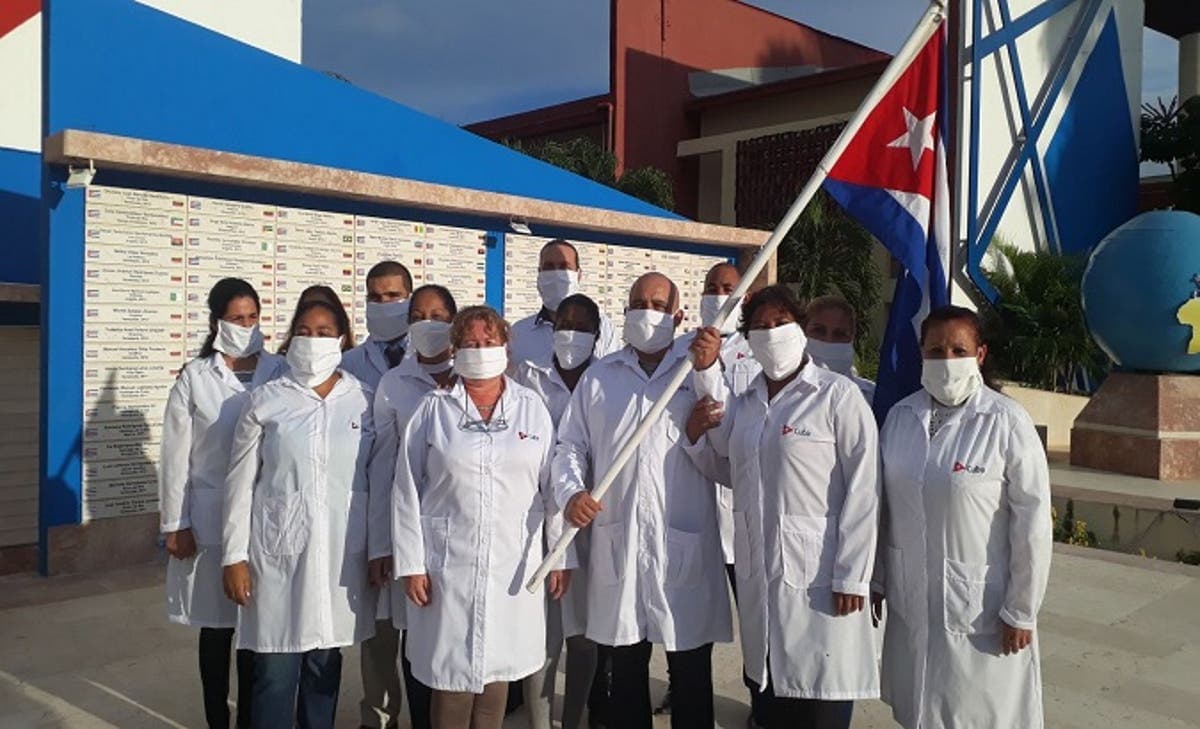
According to the State Department, the Cuban regime “rents” doctors to other countries at high prices, keeping most of the revenue while limiting Cubans’ access to essential medical care. The U.S. says the arrangement enriches the Cuban government and constitutes a form of forced labor.
“The United States continues to engage governments, and will take action as needed, to bring an end to such forced labor,” the department said in a statement, urging countries to pay medical professionals directly rather than through “regime slave masters.”
"The United States aims to support the Cuban people in their pursuit of freedom and dignity and promote accountability for those who perpetuate their exploitation. We call on all nations that support democracy and human rights to join us in this effort to confront the Cuban regime’s abuses and stand with the Cuban people," the department said.
The move follows months of warnings from U.S. lawmakers. Earlier this year, U.S. Secretary of State Marco Rubio threatened such sanctions, saying that Cuban medical missions involve forced labor, where Cuban medical professionals are sent abroad under exploitative conditions, while the Cuban government profits.
However, several Caribbean leaders have rejected these claims and defended Cuba’s medical initiative. The leaders of The Bahamas, Antigua and Barbuda, and Trinidad and Tobago have publicly opposed the U.S. stance. Grenada’s Foreign Minister Joseph Andall has also reinforced his country’s “legal, moral, and ethical obligation” to stand by Cuba. Additionally, Barbados’ Prime Minister Mia Mottley and St. Vincent and the Grenadines’ Prime Minister Ralph Gonsalves have expressed their willingness to give up U.S. visas in solidarity with Cuba.