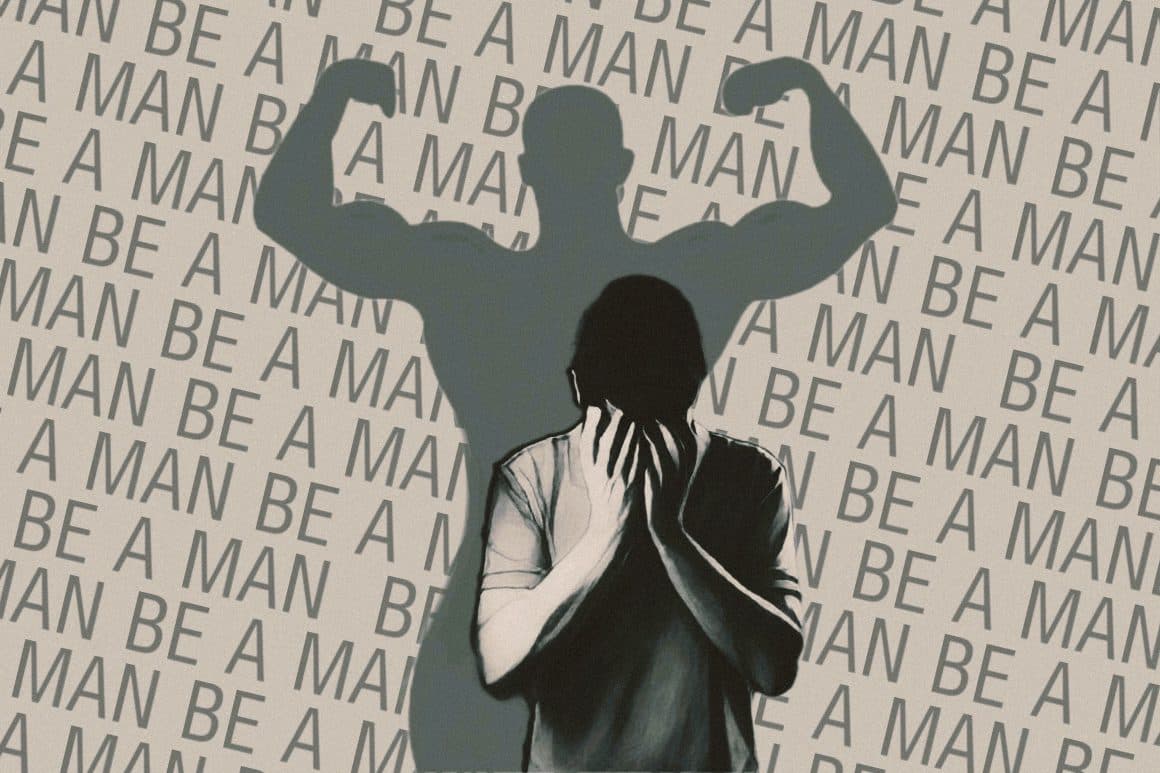
The pressure to ‘man up’ is hurting men’s mental health
Key Points(5)
- June is recognized globally as Men's Mental Health Awareness Month, dedicated to highlighting the mental health challenges faced by men while encouraging open conversations, early intervention, and greater access to support services.
- While awareness surrounding mental health has grown in recent years, experts say many men continue to suffer in silence due to longstanding cultural expectations that discourage emotional vulnerability.
- According to Ashakee Mahabeer, associate clinical psychologist and neuropsychologist, men's mental health remains one of the most overlooked public health issues despite its far-reaching consequences for individuals, families, and communities.
- "Men's mental health often remains a taboo subject due to deeply ingrained societal conditioning, traditional gender roles, and the fear of vulnerability," Mahabeer explained.
- "Many men are socialized from a young age to equate emotional expression with weakness, leading to a 'toughness' mandate that prioritizes stoicism over seeking help." A Region in Transition Across Jamaica and the wider Caribbean, there are signs that attitudes are shifting.
June is recognized globally as Men's Mental Health Awareness Month, dedicated to highlighting the mental health challenges faced by men while encouraging open conversations, early intervention, and greater access to support services.
While awareness surrounding mental health has grown in recent years, experts say many men continue to suffer in silence due to longstanding cultural expectations that discourage emotional vulnerability.
According to Ashakee Mahabeer, associate clinical psychologist and neuropsychologist, men's mental health remains one of the most overlooked public health issues despite its far-reaching consequences for individuals, families, and communities.

"Men's mental health often remains a taboo subject due to deeply ingrained societal conditioning, traditional gender roles, and the fear of vulnerability," Mahabeer explained.
"Many men are socialized from a young age to equate emotional expression with weakness, leading to a 'toughness' mandate that prioritizes stoicism over seeking help."
A Region in Transition
Across Jamaica and the wider Caribbean, there are signs that attitudes are shifting. More men are speaking openly about their struggles, and mental health advocacy has become increasingly visible through public education campaigns, workplace wellness initiatives, and social media discussions.
However, Mahabeer believes significant challenges remain.
"The current state of men's mental health awareness in Jamaica and the wider Caribbean is in a pivotal transition phase characterized by growing institutional advocacy, but persistent, deeply rooted cultural stigma still exists," she said.
She pointed to what experts describe as an "empathy gap" in men's mental health, where society often extends less compassion and understanding to men experiencing psychological distress.
"Regional public health data reveals a critical empathy gap where men are vastly underrepresented in seeking psychological care despite carrying a disproportionate burden of severe outcomes, such as accounting for over 80 percent of suicides in Jamaica," she noted.
One of the most troubling realities surrounding men's mental health is that men are often less likely to seek professional help even when experiencing significant emotional distress.
According to Mahabeer, this reluctance stems from a combination of social conditioning, fear of judgment, and healthcare environments that may not always feel welcoming to men.
"Men struggle to seek help for mental and physical health concerns due to rigid cultural socialization, fear of social or professional backlash, and healthcare systems that may often feel uninviting to them," she said.
Cultural messages such as "man up" and "men don't cry" continue to shape how many men process emotions and respond to adversity.
"These beliefs act as psychological barriers that directly worsen male mental health outcomes by encouraging the suppression and avoidance of emotions and underlying psycho-emotional challenges," Mahabeer explained.
Common Mental Health Challenges Affecting Men
While mental illnesses can affect anyone, among the most common conditions in men are depression, anxiety disorders, substance use disorders, and post-traumatic stress disorder (PTSD).
One challenge is that symptoms in men may not always appear in traditional ways. Rather than sadness or tearfulness, depression can manifest as anger, aggression, irritability, risk-taking behaviors, social withdrawal, or increased alcohol and substance use.
This can make mental health concerns more difficult to recognize and treat.
Today's men face a range of stressors that can significantly affect their mental well-being.
Economic uncertainty remains one of the most significant factors. Rising living costs, inflation, job insecurity, and financial obligations continue to create chronic stress for many households.
"The major stressors affecting men today stem from a mix of shifting economic realities, changing social expectations, and deep-seated pressures regarding identity and performance," Mahabeer said.
She noted that many men continue to tie their sense of worth to their ability to provide financially.
"The provider mandate remains powerful. Men often associate their self-worth with financial success, making economic challenges particularly difficult to navigate emotionally."
Understanding the Suicide Paradox
Mental health professionals often refer to a phenomenon known as the "gender paradox in suicide." Although women are diagnosed with depression at higher rates, men account for a significantly larger proportion of suicide deaths.
Mahabeer explained that several factors contribute to this reality.
"The discrepancy between low help-seeking rates and high suicide mortality in men is known as the gender paradox in suicide. It is driven primarily by the high lethality of methods used, severe delays in seeking intervention, masked symptoms that may escape clinical diagnosis, and the underreporting of depressive symptoms."
The good news, experts say, is that there are practical steps men can take to improve their mental well-being.
Mahabeer recommends regular physical activity, particularly resistance training, which has been shown to reduce stress hormones and improve mood. Prioritizing seven to eight hours of quality sleep, reducing alcohol consumption, and establishing healthy routines can also make a significant difference.
Equally important is maintaining meaningful social connections.
"Activity-based connection through sports, fitness, projects, or shared interests can help men bond without the pressure of forced vulnerability," she said.
She also encourages men to identify at least one trusted person with whom they can speak honestly and openly.
Other helpful strategies include setting boundaries between work and personal life, practicing mindfulness techniques during stressful moments, and utilizing anonymous support tools such as mental health apps, text support lines, and virtual therapy platforms.
While Men's Mental Health Awareness Month shines a spotlight on the issue each June, mental health professionals emphasize that the conversation should continue throughout the year.