Opinion: Are increasing natural disasters really natural?
Key Points(5)
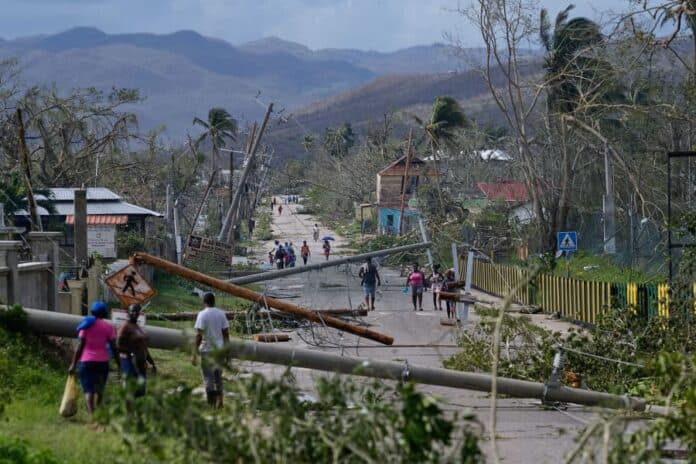
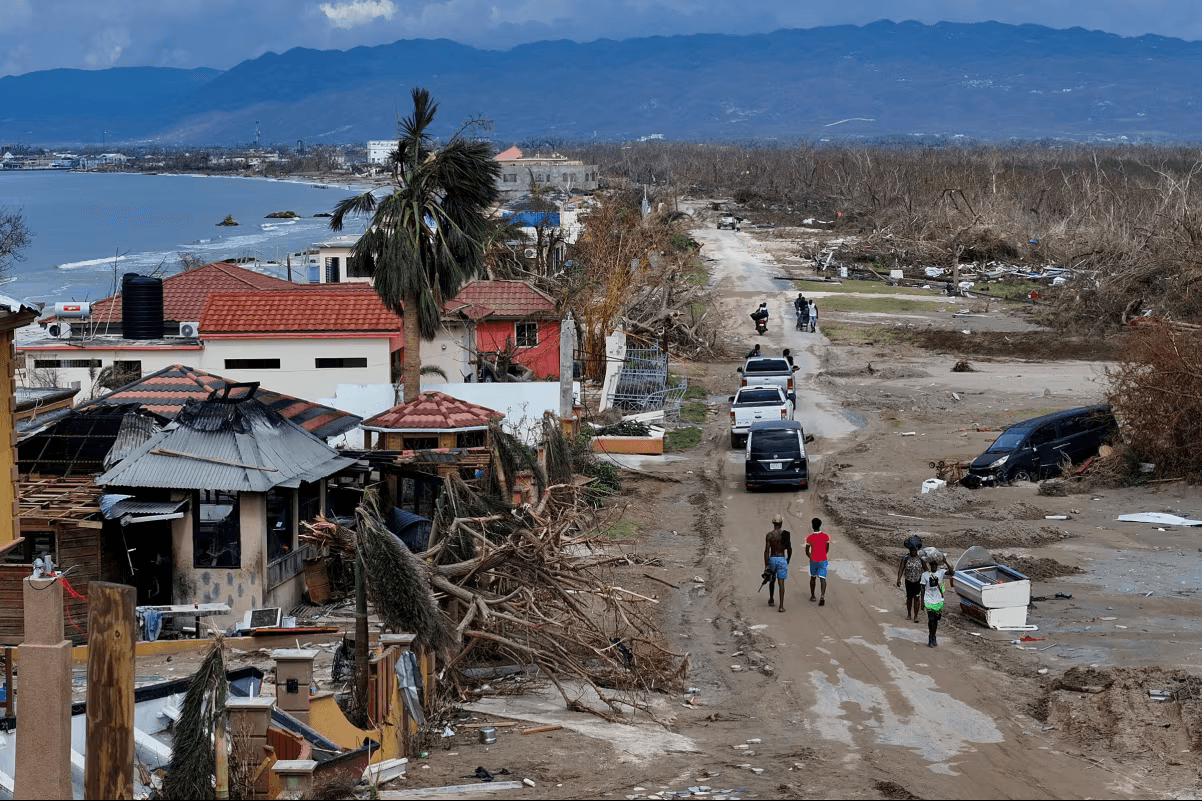
- It seems Earth is very unsettled, with so many earthquakes, floods, tornadoes, droughts, fires, strong hurricanes and other natural disasters.
- Some people, not surprisingly, attribute these disasters to biblical prophecies of end times, signaled by “earthquakes in diverse places.” Others don’t think these disasters are wholly “natural” but attributable to human irresponsibility.
- Earth itself isn’t suddenly unsettled, and humans aren’t responsible for every natural disaster.
- Humans are, however, changing the climate in ways that are making several kinds of dangerous weather more likely or more severe.
- Of course, some disasters, like earthquakes, are fundamentally natural.
It seems Earth is very unsettled, with so many earthquakes, floods, tornadoes, droughts, fires, strong hurricanes and other natural disasters. Some people, not surprisingly, attribute these disasters to biblical prophecies of end times, signaled by “earthquakes in diverse places.” Others don’t think these disasters are wholly “natural” but attributable to human irresponsibility.
Earth itself isn’t suddenly unsettled, and humans aren’t responsible for every natural disaster. Humans are, however, changing the climate in ways that are making several kinds of dangerous weather more likely or more severe.
Of course, some disasters, like earthquakes, are fundamentally natural. Earth has always been a violent planet. Earthquakes are primarily caused by movements of Earth’s tectonic plates. Human activity can induce some earthquakes, such as through wastewater injection, mining, reservoirs and other activities, but the vast majority are natural.
Other natural disasters, like volcanic eruptions, tornadoes and hurricanes, are natural phenomena that have existed for thousands, probably millions, of years. Floods, droughts and wildfires also occurred long before industrial civilization. So, it’s not completely accurate to say humanity has caused the Earth to become geologically unstable.
What’s more, humans are changing the environment in which these disasters occur. This is where human irresponsibility has become extremely important.
The scientific evidence is particularly strong regarding heat, heavy rainfall, drought, wildfire conditions and some aspects of hurricanes. Human-caused global warming has changed weather extremes worldwide. Heat waves have become more frequent and intense, and human influence has contributed to heavier precipitation and certain droughts, wildfire conditions and tropical cyclone characteristics.
Warmer air holds more moisture, so when a storm develops, there can be more water available to fall as extremely heavy rain. Scientists estimate atmospheric moisture capacity increases by roughly 7% for every 1 degree Celsius of warming. This doesn’t mean global warming causes a hurricane, but it can mean human-caused warming can result in more extreme storms and floods.
Earth has experienced periods vastly more extreme than today’s climate. There have been ice ages, enormous volcanic eruptions, massive droughts, catastrophic floods and climate changes that dwarfed anything people today have experienced.
What’s unusual is the speed and breadth of the changes occurring during the period of human civilization. The scale of recent changes in the climate system is unprecedented over many centuries to many thousands of years.
Another important factor is the vast global population. There are some 8 billion people, enormous cities along coastlines and rivers, billions of dollars of infrastructure, and instant worldwide communications. A hurricane that would once have affected a relatively small population with little publicity now becomes an international news event within minutes.
What is seriously concerning in today’s world is the combination of natural disasters and other factors, such as intense heat leading to prolonged drought; dry vegetation contributing to wildfires; warmer oceans contributing to heavier rainfall, hurricanes, dangerous storm surge and devastating flooding; and drought leading to crop failure and water shortages.
Human influence has increased the probability of certain compound extremes, including simultaneous heat waves and droughts, which are more concerning than the number of hurricanes or earthquakes.
Humans must dramatically reduce greenhouse gas emissions, as there is sound scientific evidence that every fraction of additional warming increases future climate risks. This means creating more solar and wind energy, improving electrical grids, making buildings more efficient, developing cleaner transportation and eventually implementing much more effective carbon removal.
But even if humanity stopped all emissions tomorrow, the climate would not instantly return to its previous state. There’s a great need for countries to focus on stronger flood defenses, better drainage, stronger buildings, hurricane-resistant infrastructure, reliable early-warning systems, drought-resistant agriculture, better water management and protection against extreme heat. This is particularly important in places like Florida and the Caribbean.
Humans must stop building recklessly in vulnerable places. This may save lives faster than some climate policies. To continue building communities on floodplains, earthquake faults, vulnerable coastlines and wildfire-prone land is to plan for future disasters. A natural phenomenon becomes catastrophic largely because vulnerable people and infrastructure are placed in its path.
Ironically, nature is an enormous protective system. Forests absorb carbon and help regulate water. Wetlands absorb floodwater. Healthy soils retain moisture. Mangroves reduce coastal flooding and storm damage. Destroying those systems while simultaneously warming the planet removes natural safety mechanisms while humans keep increasing the danger.
Humans today have a responsibility to understand the consequences of their actions and protect coming generations. People must stop ignoring potential risks that can have disastrous consequences for entire communities.
Contrary to what some people think, Earth hasn’t suddenly become naturally hostile to humanity, and no human knows the time of the prophetic “end times.”
Earth remains the same. But humanity has altered the conditions under which many natural climatic processes operate and has simultaneously put millions of people and enormous amounts of infrastructure directly in harm’s way. That combination is what makes today’s climatic situation so serious.
The needed response shouldn’t be despair. Humans are extraordinarily capable of adapting when they recognize a problem early enough. Many of the things that can make Earth substantially safer are already known. The problem is getting governments, businesses and ordinary people to act collectively and consistently.
Humans cannot make Earth perfectly safe, but they can make it more resilient to Earth’s disasters.