OAS chief warns corruption undermines development and public trust
Key Points(5)
- The secretary-general of the Organization of American States (OAS), Albert Ramdin, has called for stronger regional and international cooperation to combat corruption, warning that it weakens democratic institutions, deepens inequality and threatens sustainable development.
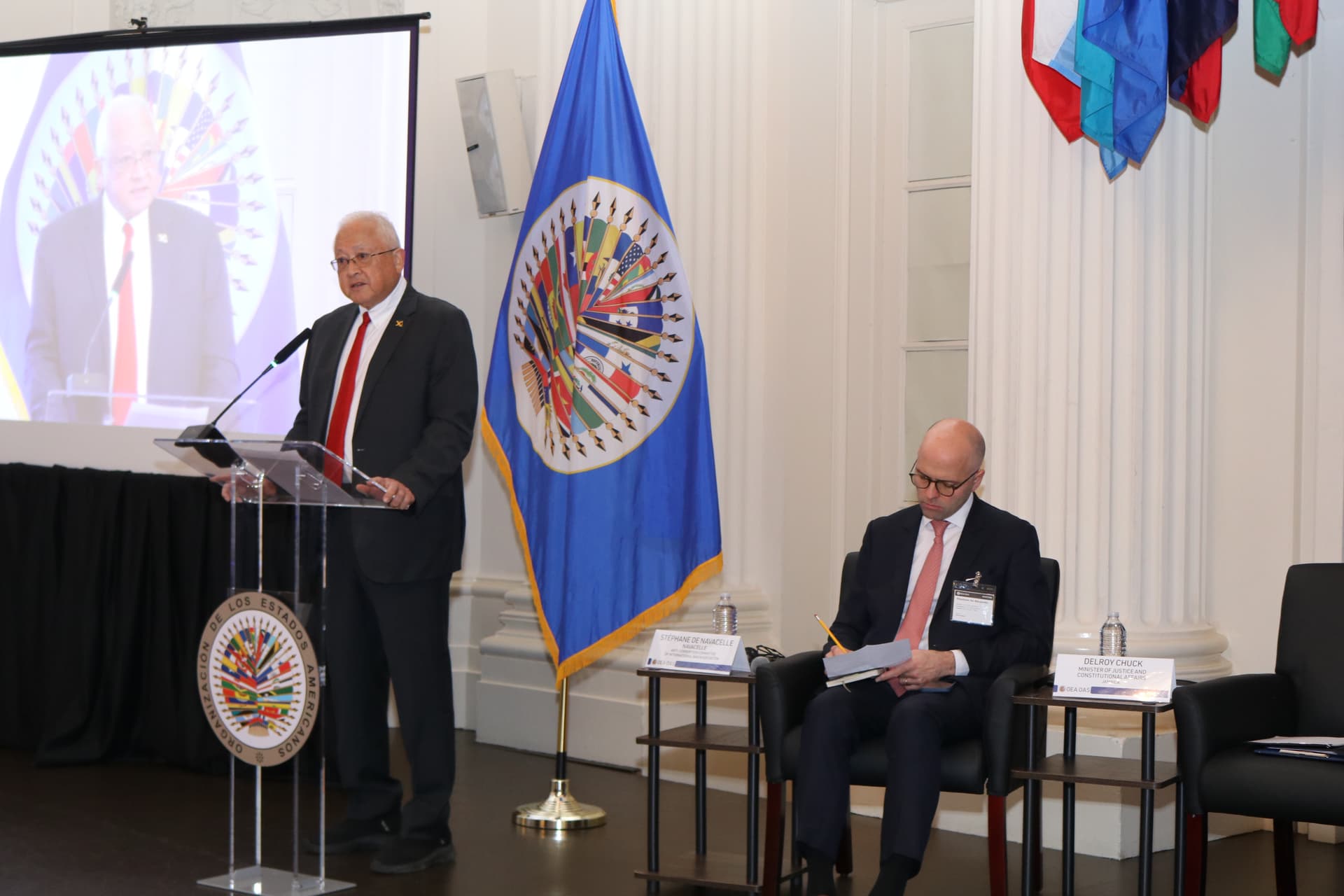
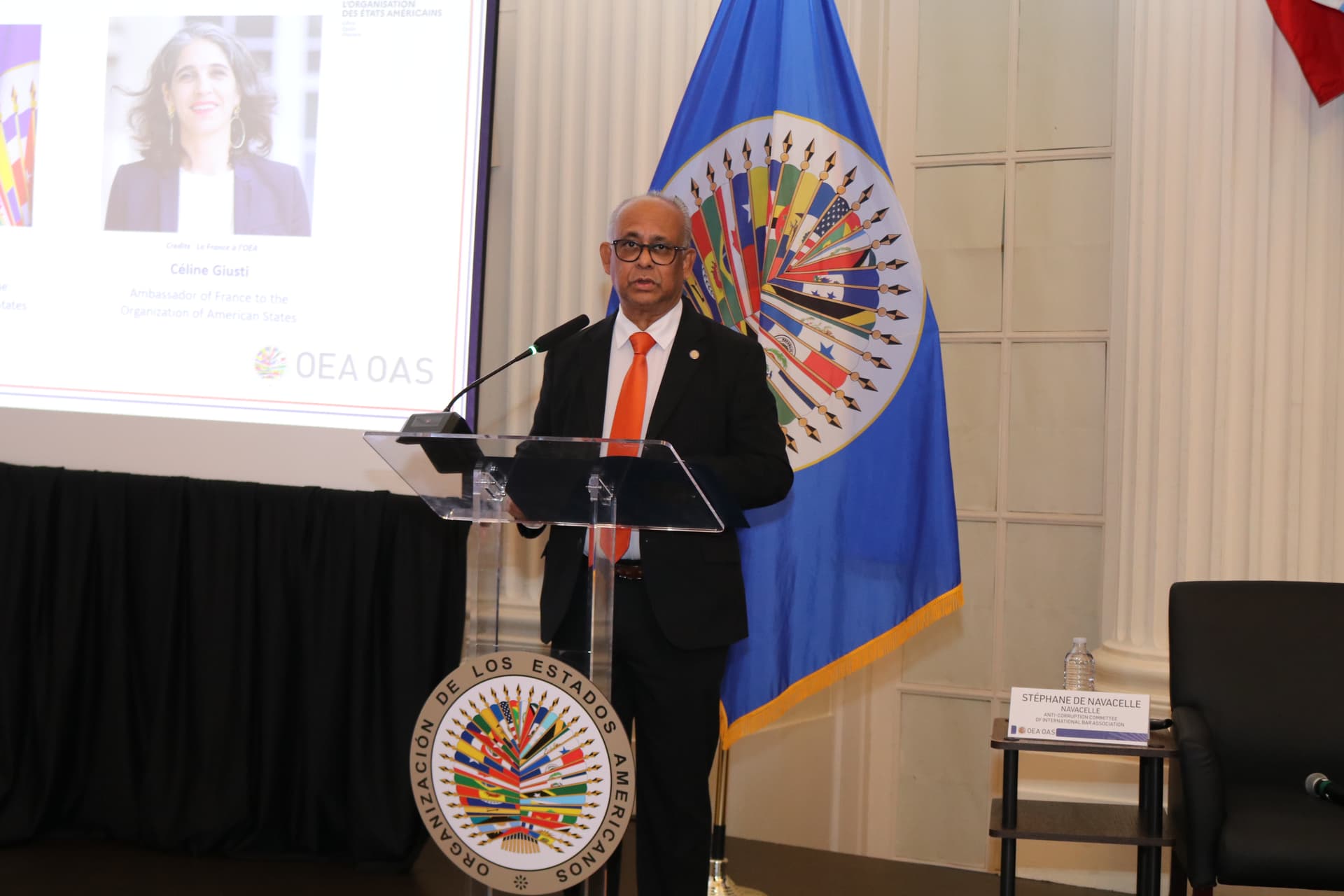
- Speaking Wednesday at the opening of a regional anti-corruption conference at OAS headquarters in Washington, D.C., Ramdin said corruption extends beyond legal and institutional concerns, directly affecting the lives and opportunities of ordinary citizens.
- The conference, titled “Corruption: A Common Threat to Societies and Development,” was hosted by the Embassy of France and the Permanent Mission of France to the OAS at the organization’s Hall of the Americas.
- Ramdin highlighted corruption’s impact on public institutions, the administration of justice and confidence in government.
- He also warned that vulnerable communities bear a disproportionate burden when corruption restricts access to essential services and economic opportunities.
The secretary-general of the Organization of American States (OAS), Albert Ramdin, has called for stronger regional and international cooperation to combat corruption, warning that it weakens democratic institutions, deepens inequality and threatens sustainable development.
Speaking Wednesday at the opening of a regional anti-corruption conference at OAS headquarters in Washington, D.C., Ramdin said corruption extends beyond legal and institutional concerns, directly affecting the lives and opportunities of ordinary citizens.
The conference, titled “Corruption: A Common Threat to Societies and Development,” was hosted by the Embassy of France and the Permanent Mission of France to the OAS at the organization’s Hall of the Americas.
Ramdin highlighted corruption’s impact on public institutions, the administration of justice and confidence in government. He also warned that vulnerable communities bear a disproportionate burden when corruption restricts access to essential services and economic opportunities.
He said progress in combating corruption should be measured by tangible improvements in people’s lives, rather than solely by the adoption of laws, policies and institutional commitments.
Ramdin also pointed to the Inter-American Convention Against Corruption, adopted in 1996, as a key regional framework for cooperation among countries in preventing, detecting and combating corruption.
However, he said evolving challenges require continued vigilance, stronger enforcement and adjustments to existing approaches.
The OAS chief also highlighted the cross-border nature of corruption, noting that illicit financial flows and the movement of proceeds across jurisdictions make cooperation among national authorities increasingly important.
He called for greater collaboration among governments, investigators and relevant institutions through information-sharing, coordinated investigations and effective accountability mechanisms.
Ramdin further stressed that combating corruption requires a broad, society-wide effort, with responsibility extending beyond governments to other institutions and sectors.
He urged conference participants to develop practical recommendations to strengthen regional cooperation, improve accountability and ensure that anti-corruption commitments produce meaningful results.
The conference brings together regional stakeholders to examine corruption’s effects on governance, economic progress and social development, while exploring opportunities for stronger collective action.
Ramdin’s remarks underscored the importance of ensuring that public institutions serve citizens fairly and transparently and that corruption does not undermine the benefits of development.