Guyana president backs death penalty for heinous crimes after boy’s killing
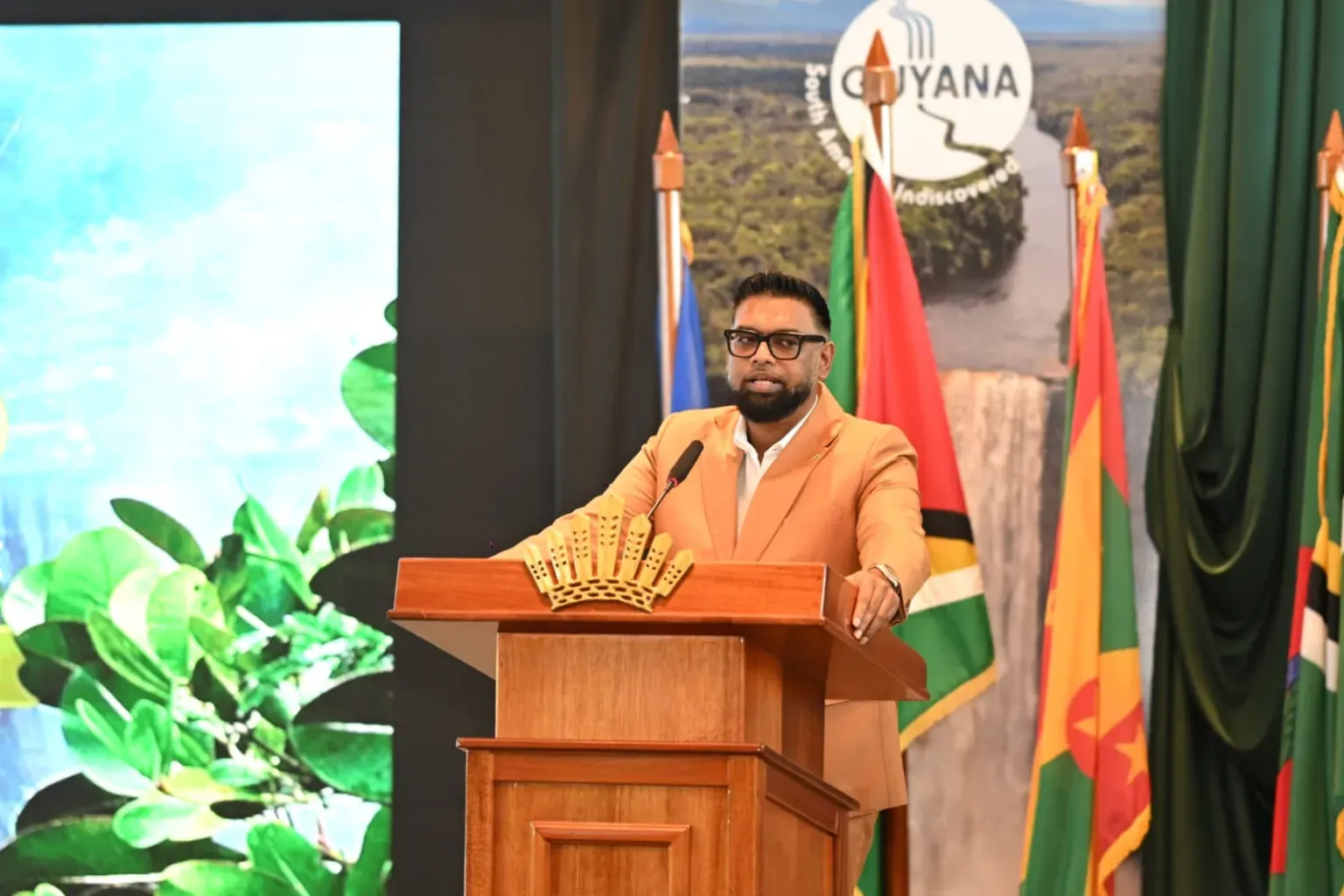
President Dr Mohamed Irfaan Mohamed Irfaan Ali
Key Points(5)
- Guyana President Irfaan Ali has thrown his support behind the death penalty for particularly heinous crimes following the killing of six-year-old Orlando Jaikarran, whose body was found in a canal in Berbice.
- Ali said he had asked the attorney general to examine the use of capital punishment and other measures for serious crimes, arguing that stronger penalties may be necessary to deter acts of extreme violence.
- “The death penalty is something that we have to look at if we want to really send a strong signal,” Ali told News Room when asked about the case.
- Asked whether he considered the death penalty the strongest signal, the president replied: “100%.” Orlando’s body was recovered at about 1 a.m.
- Tuesday from the Sea Dam Canal at Water Street, Block D, Bath Settlement, West Coast Berbice.
Guyana President Irfaan Ali has thrown his support behind the death penalty for particularly heinous crimes following the killing of six-year-old Orlando Jaikarran, whose body was found in a canal in Berbice.
Ali said he had asked the attorney general to examine the use of capital punishment and other measures for serious crimes, arguing that stronger penalties may be necessary to deter acts of extreme violence.
“The death penalty is something that we have to look at if we want to really send a strong signal,” Ali told News Room when asked about the case.
Asked whether he considered the death penalty the strongest signal, the president replied: “100%.”
Orlando’s body was recovered at about 1 a.m. Tuesday from the Sea Dam Canal at Water Street, Block D, Bath Settlement, West Coast Berbice.
According to News Room, police were led to the body by information provided by the child’s father, Bharrat Jaikarran, who remains in police custody. A post-mortem examination is expected to establish the cause of death.
Ali described the killing as “atrocious” and said he had asked the attorney general to carefully examine the issue, including cases involving individuals who had committed crimes of an “unthinkable nature.”
The president acknowledged human rights concerns surrounding capital punishment but argued that certain crimes demanded a strong response from the justice system.
“We are, of course, very cognizant of the human rights issues and challenges,” he said.
Ali added that the judicial process must be allowed to run its course but indicated that he supported penalties beyond imprisonment for crimes of this nature.
The child’s grandmother, Dhankumarie Gowkarran, told News Room she was shocked and ashamed following the discovery. She said she had questioned her son about whether he had harmed Orlando but remained doubtful despite his denials.
The case has prompted public calls for a strong response, with Ali saying he had received numerous messages and read comments from people demanding action.
Guyana retains the death penalty in law, and courts have continued to impose death sentences. However, the country has not carried out an execution since Aug. 25, 1997, when Michael Archer and Peter Adams were hanged at Georgetown Prison after being convicted of murdering Rasheeda Khan during a robbery in Corentyne, Berbice, in 1986.
No decision to reinstate executions has been announced, and any changes to the use of capital punishment would have to be considered within Guyana’s existing legal framework.