CARICOM chief calls for stronger coordination of international support for Haiti
Key Points(5)
- CARICOM Secretary-General Dr.
- Carla Barnett has called for stronger coordination among regional and international partners supporting Haiti, warning that better collaboration is needed to avoid duplication and address the country's most pressing needs.
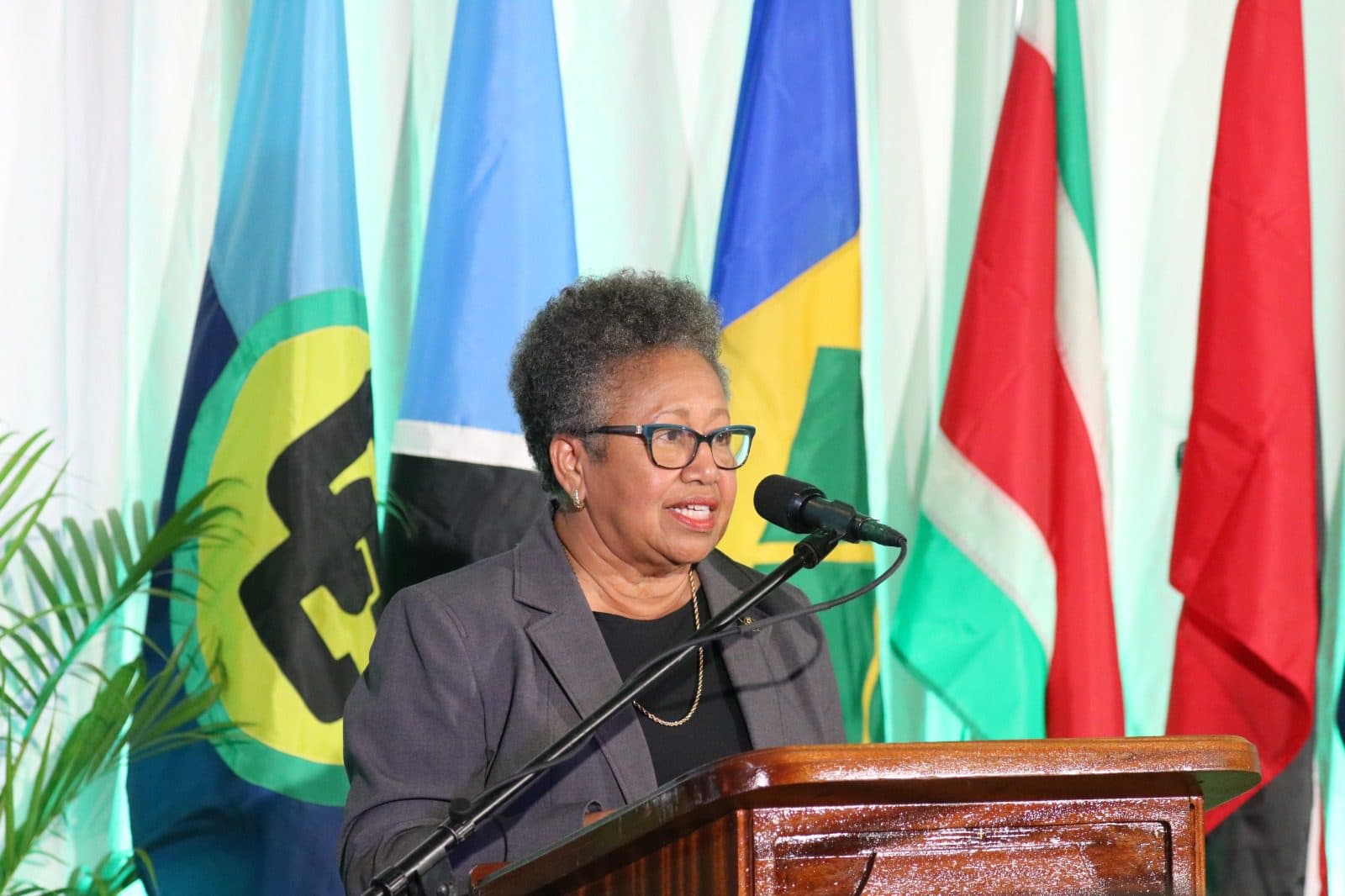
- Barnett made the call while addressing a regular meeting of the Organization of American States (OAS) Permanent Council on Thursday, September 3.
- She said the large number of regional and international actors providing assistance to Haiti makes coordination critical to ensuring resources are effectively directed toward the needs of Haitians.
- The CARICOM chief highlighted the OAS initiative, “Towards a Haitian-Led Roadmap for Stability and Peace with Regional and International Support,” as well as a high-level international delegation that visited Haiti from August 16-19.
CARICOM Secretary-General Dr. Carla Barnett has called for stronger coordination among regional and international partners supporting Haiti, warning that better collaboration is needed to avoid duplication and address the country's most pressing needs.
Barnett made the call while addressing a regular meeting of the Organization of American States (OAS) Permanent Council on Thursday, September 3.
She said the large number of regional and international actors providing assistance to Haiti makes coordination critical to ensuring resources are effectively directed toward the needs of Haitians.
“In view of the wide spectrum of regional and international actors providing assistance to Haiti in a variety of areas, coordination has become a critical enabling factor in avoiding duplication and ensuring that the pressing and vital needs of the people of Haiti are addressed through well coordinated implementation,” Barnett said.
The CARICOM chief highlighted the OAS initiative, “Towards a Haitian-Led Roadmap for Stability and Peace with Regional and International Support,” as well as a high-level international delegation that visited Haiti from August 16-19.
CARICOM participated in the visit at the invitation of OAS Secretary General Albert Ramdin.
Barnett said the mission helped strengthen coordination among international partners while allowing participants to gain a better understanding of conditions on the ground.
“It also sent the message to the people of Haiti, that despite the challenges and perils of the present situation, they have not been abandoned by the international and regional communities, and that the collective commitment to support Haiti was still alive, despite the long duration of the multifaceted crisis,” she said.
Barnett also called for the mandate of the Gang Suppression Force (GSF) to be renewed, saying commitments from Haiti's international partners to provide personnel, funding, equipment and logistical support have not been sufficiently fulfilled.
She said strengthening the force could help loosen the grip of armed gangs and create conditions necessary for Haiti's upcoming elections.
Barnett also pointed to election observation as an area where CARICOM and the OAS could collaborate as the electoral process progresses.
Meanwhile, the CARICOM Eminent Persons Group, which comprises three former prime ministers, is currently visiting Haiti for discussions with political actors, including emerging parties and coalitions.
The group, established in 2023, has been facilitating dialogue among political and civil society stakeholders as part of efforts to find a Haitian-led approach to the country's political crisis.
Barnett said CARICOM would continue working with the OAS and other international partners to address Haiti's immediate challenges while supporting longer-term economic and social development.
“We must never forget the Haitian people who continue to face social and economic instability resulting from the crime and violence which affects their ability to earn a living, educate their children, seek medical services, and move freely about their communities and their country,” she said.