Home Blog Page 65

Wellness escapes in Turks and Caicos: Where travelers go to truly unplug

Travelers are increasingly looking beyond traditional beach vacations in favor of trips that help them slow down, recharge, and reconnect with nature. Across the islands of Turks and Caicos, a growing number of resorts are leaning into that demand, offering experiences that combine spa therapy, outdoor exploration, and mindful dining.

From private island retreats to nature-driven stays on quieter islands, these properties highlight how the destination is evolving into one of the Caribbean’s most compelling wellness getaways.

COMO Parrot Cay | Private Island Sanctuary

Credit: COMO Parrot Cay

Set on its own private island, COMO Parrot Cay has long been associated with holistic wellbeing. Surrounded by wide stretches of pristine sand and dense tropical vegetation, the resort creates an environment where relaxation comes naturally. Guests arrive by boat and immediately feel removed from the pace of everyday life.

The property recently introduced a four-day, three-night Cleanse Program designed as a gentle digestive reset. The program focuses on nutrient-rich meals including cold-pressed juices, warming broths, and herbal teas from the COMO Shambhala Kitchen. Complementing the food program are restorative wellness sessions and light movement practices that help improve sleep and encourage mental clarity. The combination of structured wellness and the island’s quiet natural surroundings makes the experience feel both intentional and restorative.

Amanyara | Tailored Wellness in Providenciales

Credit: Amanyara

Amanyara approaches wellness through customization. Located on the quieter side of Providenciales, the resort gives guests access to an extensive team that includes therapists, nutritionists, and a wellness concierge who helps design personalized itineraries.

Facilities include four spa treatment pavilions, yoga and Pilates studios, tennis courts, and a multi-sport field, allowing guests to balance relaxation with movement. One of the signature offerings is the Power of Nature Wellness Immersion, a program that blends spa therapies, fitness sessions, and nutrition guidance. The goal is to help visitors reconnect with both their bodies and the surrounding environment while staying in one of the Caribbean’s most serene beachfront settings.

Salterra Resort & Spa | Quiet Restoration on South Caicos
Credit: Salterra Resort & Spa

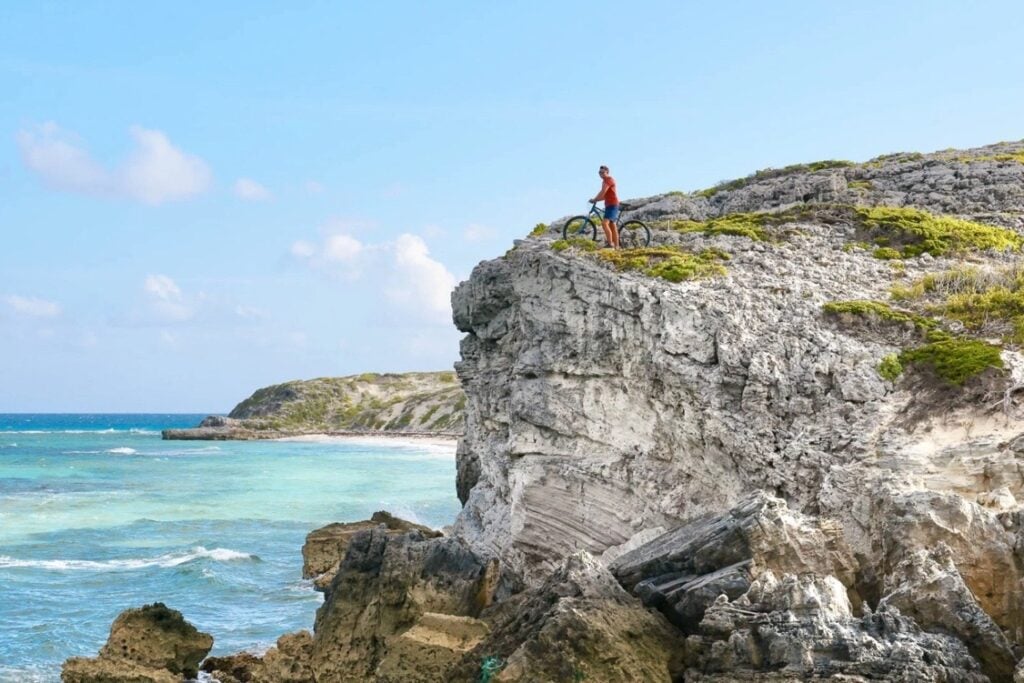
South Caicos remains one of the least crowded islands in the destination, known for its salt flats, turquoise waters, and relaxed pace. Salterra Resort & Spa taps into that natural tranquility with wellness experiences centered on restoration and balance.

At the Spa at Salterra, treatments take place in calm, private rooms designed to create a sense of seclusion. Guests also have access to a spa pool, steam room, sauna, and hot tub. Outside the spa, the island itself becomes part of the wellness journey. Swimming, snorkeling, kayaking through mangroves, and long beach walks allow visitors to ease into the slower rhythm of South Caicos while enjoying wide-open landscapes rarely found in more developed destinations.

Dragon Cay Resort | Nature-Led Wellness on Middle Caicos and North Caicos
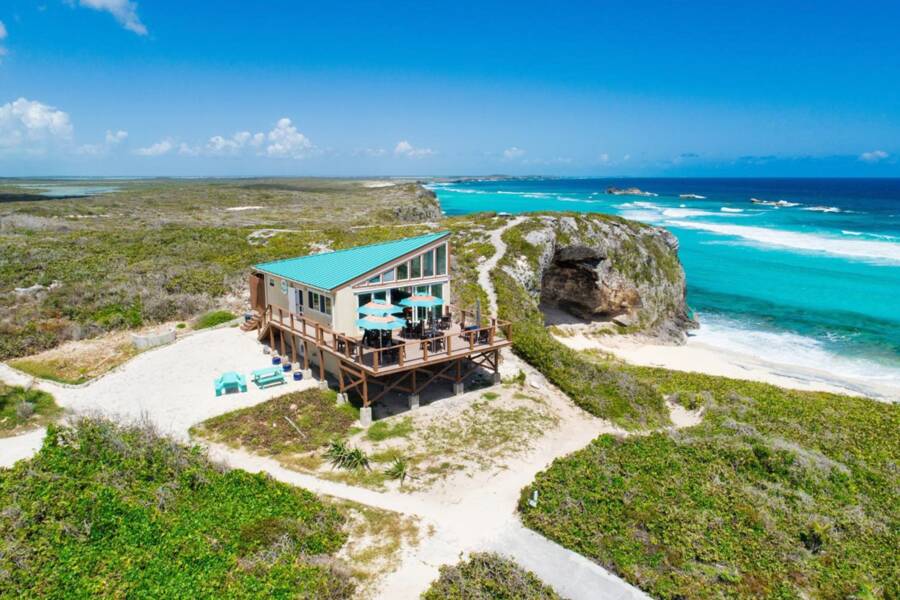
For travelers who view nature as the ultimate reset, Dragon Cay Resort offers access to some of the most untouched scenery in Turks and Caicos. The neighboring islands of Middle and North Caicos are defined by dramatic limestone cliffs, caves, and hidden beaches.

From the resort, visitors can set out on coastal hikes that lead to secluded coves and viewpoints overlooking the ocean. One particularly memorable stretch involves a narrow stone path that winds down toward a quiet cove carved into the rock. Days here are shaped by exploration—hiking, swimming, and discovering parts of the coastline that feel almost undiscovered. The rugged landscape naturally encourages a slower, more mindful pace.

Wymara Resort + Villas | Structured Wellness on Grace Bay

Credit: Wymara Resort + Villas

On the famous shoreline of Grace Bay, Wymara Resort + Villas blends luxury with guided wellness experiences. The calm, shallow water creates an ideal setting for outdoor activities that begin and end the day on a peaceful note.

Morning often starts with beachfront yoga as the sun rises over the ocean. In the evenings, guests can participate in breathwork sessions designed to encourage relaxation and deeper sleep. Sound therapy using crystal bowls and gongs offers another way to release tension, while aromatherapy sessions incorporate high-quality essential oils. At the spa, 111SKIN treatments focus on skin repair and rejuvenation, rounding out a wellness program that balances physical and mental restoration.

Pine Cay | Simple, Barefoot Wellness

Credit: Pine Cay

Pine Cay offers a different interpretation of luxury—one rooted in simplicity. With no cars and very limited development, the private island encourages visitors to disconnect from busy routines and focus on the basics of rest and nature.

Guests spend their days walking quiet paths, swimming in clear water, or simply relaxing along the shoreline. The Sand Dollar Spa provides massage treatments from an experienced Balinese therapist in an intimate setting that feels far removed from crowded resort environments. Without the distractions of large-scale tourism, wellness here unfolds naturally through unstructured time and the calming rhythm of island life.


Caribbean tourism and aviation leaders partner to boost regional air connectivity

Dona Regis-Prosper (CTO) and Dr. Rafael Echevarne (ACI-L AC) sign a Memorandum of Understanding establishing a framework for collaboration to advance Caribbean air connectivity.

The Caribbean Tourism Organization and Airports Council International – Latin America and the Caribbean have signed a new agreement aimed at strengthening air connectivity and improving collaboration between the aviation and tourism sectors across the Caribbean.

The Memorandum of Understanding was signed at the close of the first CTO Air Connectivity Summit in Bermuda, establishing a framework for cooperation focused on improving air access, building institutional capacity and supporting sustainable tourism growth across CTO member states.

CTO Secretary-General and CEO Dona Regis-Prosper said the partnership reflects the growing recognition that aviation and tourism must work more closely together to keep the region competitive.

“This partnership reflects a shared understanding that the future of Caribbean tourism depends on stronger collaboration between aviation and destination stakeholders,” she said. “By working closely with ACI-LAC, we are creating new opportunities to strengthen air connectivity, enhance our regional aviation network and ensure the Caribbean remains competitive, accessible and resilient in a rapidly evolving global travel landscape.”

Under the agreement, the two organizations will collaborate on research, policy dialogue and advocacy related to aviation, tourism development, sustainability and regional competitiveness. Planned initiatives may include conferences, workshops, professional training programs, joint studies on air connectivity, and knowledge-sharing across the industry.

Rafael Echevarne, director general of ACI-LAC, said stronger air links are critical to the region’s economic future.

“Air connectivity is a cornerstone of Caribbean development, linking our islands to each other and to the world,” he said. “This agreement strengthens collaboration between airports and tourism stakeholders and supports more coordinated planning and policy dialogue.”

The agreement will remain in effect for an initial three-year period and is expected to support new initiatives aimed at improving travel access and strengthening the Caribbean’s position in the global tourism market.

Antigua targets Caribbean travelers for Carnival 2026

The Antigua and Barbuda Tourism Authority, in partnership with the Antigua and Barbuda Festivals Commission, has launched a targeted Caribbean roadshow to promote Antigua Carnival 2026, scheduled for July 25 to August 4 under the theme “Feel the Rhythm.”

Tourism officials say the initiative is aimed at boosting regional awareness and encouraging early travel bookings ahead of the summer season.

“Antigua Carnival is more than a celebration, it is a major economic driver for tourism,” said Charmaine Spencer, Director of Tourism for the Caribbean and Latin America. “By engaging regional audiences, we are generating strong demand, locking in early bookings for our airline and hotel partners, mas makers and event producers, and cementing Antigua’s position as the Caribbean’s premier summer festival destination.”

The promotional push began with activations during Carnival celebrations in Trinidad and Tobago and Dominica, where tourism representatives promoted Antigua Carnival to thousands of revellers.

In Trinidad, the team connected with carnival-goers at major events, including Hyatt Lime and Caesar’s Army’s A.M. Beach, while also appearing on television and radio programs to highlight the upcoming festival. Attendees were also invited to participate in a “Win a Trip to Antigua” promotion.

Promotional activities in Dominica included media appearances, live broadcasts and on-the-ground activations in partnership with KFC Dominica and airline partner Sunrise Airways, along with outreach at the Bayfront Artisan Market.

Ambassador Elizabeth Makhoul, chairperson of the festivals commission, said the roadshow helps bring the carnival experience directly to regional audiences.

“Through meaningful on-the-ground engagement, curated promotional packages and dynamic brand interactions, we did more than promote a festival; we delivered an authentic preview of the Antigua Carnival experience,” she said.

Officials also highlighted travel options to the destination with airline partners including LIAT Air and Sunrise Airways.

Additional stops across the Caribbean are planned as the tourism authority ramps up its summer campaign. The promotion will also include special travel deals, value-added packages and early booking incentives across participating hotels, excursions and experiences.

Travelers interested in attending Antigua Carnival 2026 or entering the promotional giveaway can find more information at the destination’s tourism website at www.visitantiguabarbuda.com.

Broward Schools boost college and career readiness rates

broward schools

Broward County Public Schools is reporting significant progress in preparing students for life after graduation, with a notable rise in the district’s College and Career Acceleration (CCA) rate.

For the 2024–25 school year, BCPS recorded a CCA rate of 74 percent, a five-point increase from the previous year and a 13-point jump since the 2022–23 academic year. The metric measures how many graduates completed at least one college-level or career-focused course while in high school.

Students can meet the benchmark by passing Advanced Placement, International Baccalaureate, or Cambridge AICE exams, earning college credit through dual enrollment, or obtaining industry certifications. The rate is also a key component of Florida’s high school grading system and is widely used to gauge how well students are prepared for college, careers, or technical training.

Eight BCPS high schools improved their CCA rates by at least 10 percentage points this year. Among them were Coconut Creek High School (77%), Coral Glades High School (91%), Dillard 6-12 (79%), Northeast High School (73%), Piper High School (70%), Plantation High School (74%), South Plantation High School (93%), and Whiddon Rogers Education Center (31%). South Plantation High posted the largest gain, increasing its rate by 20 percentage points compared with the previous year.

Five schools maintained a perfect 100 percent CCA rate, meaning every graduate completed at least one college-level or career-focused course and earned college credit or an industry certification. Those schools are Atlantic Technical High School, College Academy at Broward College, Lauderhill 6-12 STEM-Med, Millennium 6-12 Collegiate Academy, and William T. McFatter Technical High School.

“Our goal is to ensure every BCPS graduate is prepared for life after high school, with the skills, experiences and confidence to succeed,” said Superintendent Howard Hepburn. “I commend our students for challenging themselves through rigorous coursework and thank our educators for guiding them toward opportunities that support their dreams and aspirations.”

The Cookout brings Caribbean and African flavor to South Beach Wine & Food Festival

The 25th Annual Food Network South Beach Wine & Food Festival reached a cultural high point on Saturday, February 21, 2026, as The Cookout, hosted by Chef JJ Johnson, returned to the iconic Eden Roc Miami Beach.

The event drew nearly 600 attendees, transforming the oceanfront poolside into a vibrant backyard party celebrating the culinary heritage of the African Diaspora. The crowd included a strong Caribbean presence, reflecting the festival’s wide-reaching appeal and the region’s deep connection to the flavors and rhythms of the Diaspora.

The afternoon featured an electrifying mix of food, music, and energy. Internationally acclaimed DJ Too Much curated the soundtrack, keeping guests moving as they sampled unlimited tastings from a premier lineup of Black chefs. The festivities peaked with a special performance by hip-hop icon Fat Joe, whose Bronx-born energy and hits provided a memorable finale.

Reflecting on the event, Johnson said, “The Cookout is rooted in the tradition of how Black communities gather — around food, music, and joy. Over the past four years, we’ve created more than an annual event; we’ve created a cultural moment. From chefs honoring the flavors of the Diaspora, to DJ Too Much keeping that rhythm in our bones, to Fat Joe bringing raw hip-hop energy — this was about celebrating the brilliance of Black culture. This is how we honor where we come from while showing the world how we move forward with an unwavering commitment to Black excellence.”

The Cookout remains a cornerstone of the festival’s mission, with 100% of net proceeds benefiting students at the Chaplin School of Hospitality & Tourism Management at Florida International University, supporting the next generation of culinary and hospitality professionals.

Miramar gears up for 5th Annual Afro-Carib Festival

Miramar Afro-Carib Festival

The City of Miramar will host the 5th Annual Afro-Carib Festival (ACF) on Saturday, February 28, 2026, from 6 p.m. to 11 p.m. at the Miramar Regional Park Amphitheater, 16801 Miramar Parkway.

One of the city’s largest free Caribbean cultural events, the festival celebrates African and Caribbean heritage through music, fashion, and cuisine.

The evening’s lineup features reggae legends Steel Pulse, Soca star Skinny Fabulous, Shuga, Visions Band, Naomi Cowan, Teflon King, Kr8tive Uprising, and Gumby Navedo y Su Tumbao. Entertainment will also include DJ sets by 99 Jamz’ She-J Hercules and hosting by MC Jody Ann Gray, who previously emceed the Grace Jamaican Jerk Festival at the same venue.

Gates open at 5 p.m. with the show starting at 6 p.m. Parking is available for $12 in advance, rising to $15 the day of the event. VIP tickets, which cost $150, can be purchased at Afrocaribfestmiramar.com.

The festival is a high-energy celebration of Caribbean culture, blending Black History Month and Reggae Month. Attendees can expect more than 5,000 guests enjoying genres ranging from reggae, afrobeats, reggaeton, and soca to R&B and salsa. Festival-goers are encouraged to “dress to represent their nation,” turning the grounds into a vibrant display of cultural fashion that fuses African and Caribbean influences with contemporary design.

Headliners such as Steel Pulse will bring decades of reggae hits, including “Your House” and “Roller Skates,” while Skinny Fabulous will showcase Soca hits like “Famalay,” representing St. Vincent and the Grenadines. For Latin music enthusiasts, Gumby Navedo y Su Tumbao will offer traditional Cuban Charanga, drawing on collaborations with international artists including Celia Cruz, Willy Chirino, and Billy Ocean.

The Afro-Carib Festival, hosted by Commissioner Carson ‘Eddy’ Edwards, continues to be a flagship event promoting the city’s vibrant Caribbean community and cultural exchange.

South Florida Rep. Wilson highlights barriers for disabled job seekers in new GAO report

Frederica Wilson

Disabled job seekers continue to face significant hurdles accessing state and local workforce development programs, according to a new report from the Government Accountability Office (GAO). The investigation, requested by South Florida Congresswoman Frederica Wilson and House Committee on Education and Workforce Ranking Member Robert C. ‘Bobby’ Scott, underscores persistent gaps in accessibility despite progress under federal law.

The GAO report notes that while the Workforce Innovation and Opportunity Act (WIOA) has improved accessibility and accountability in workforce programs, individuals with disabilities still face barriers, particularly when third-party training providers fail to provide adequate accommodations.

“Disabled job seekers are employed at far lower rates than anyone else in this nation, and that is unacceptable,” Rep. Wilson said. “The GAO’s report shows that while progress has been made under WIOA, too many barriers still block the path. True workforce development means real access for everyone. It is our shared responsibility to remove these barriers and close the employment gap so that disabled job seekers have a full and equal chance to contribute, thrive, and succeed in today’s economy.”

Ranking Member Scott added, “WIOA is the cornerstone of our workforce system and offers career growth to millions, including people with disabilities. Today’s report shows that while states and localities have made progress, there is more to do. I look forward to working with my colleagues to pass critical updates through the bipartisan A Stronger Workforce for America Act, ensuring all Americans have access to quality job training and the opportunities it brings.”

Enacted in 2014, WIOA streamlined federal workforce programs, enhanced accountability, and required that services be accessible to people with disabilities. It specifically identifies disability as a barrier to employment and seeks to remove obstacles to workforce participation.

Despite nearly a decade of implementation, challenges remain. In the 118th Congress, Scott and then-Chair Virginia Foxx negotiated a bipartisan WIOA reauthorization. In April 2024, the House passed the A Stronger Workforce for America Act 378–26, aiming to expand access and improve training outcomes for all Americans, including disabled job seekers.

Grenada welcomes Viking Explorers Rally for ninth straight year

Viking Explorers Rally

The Grenada Tourism Authority has welcomed the 2026 Viking Explorers Rally to the island, marking the ninth consecutive year the transatlantic sailing event has finished in Grenada.

Officials hosted a ceremony at Camper & Nicholsons Port Louis Marina in St. George’s to greet the fleet after completing the 2,700-nautical-mile journey from the Canary Islands. Despite delays caused by unfavorable weather, crews safely completed the crossing, reinforcing Grenada’s growing reputation as a preferred southern gateway for the global yachting community.

Now in its ninth year, the rally promotes what organizers call a “Viking family” spirit centered on sportsmanship, safety and cooperation among sailors. During the welcome ceremony, Nautical Development Manager Shanai St. Bernard and marina manager Zara Tremlett congratulated the participants for their successful voyage across the Atlantic.

Several awards were presented during the evening to highlight the diversity of the fleet. SY Sea Dreamer, a Lagoon 46 from Australia, received recognition as the newest yacht, while SY Calainë, a Nauticat from the United States, was named the oldest. SY Alora, a Hylas 56 from the United States, was recognized as the biggest sailboat, and the smallest yacht award went to SY Joyce Ellen, a Moody S336 from the United Kingdom.

Captains were also acknowledged, with Chris Lawrence of SY Yanula Blue from the United Kingdom named the youngest captain and Stephen of SY Alora from the United States recognized as the oldest.

The rally’s top honor, the Spirit of the Viking Explorers Award, was presented to Lawrence for what organizers described as his strong camaraderie and embodiment of the rally’s collaborative spirit.

“We are thrilled to once again host the Viking Explorers, a group that truly embodies the spirit of international camaraderie,” St. Bernard said, noting that the rally’s annual return highlights Grenada’s maritime infrastructure and its role in the island’s growing blue economy.

Interest is already building for the 2027 rally, which will mark the event’s 10th anniversary. Organizers say demand has more than doubled, though participation will remain limited to maintain the rally’s close-knit character. The first 25 invitations for next year’s crossing have already been issued, setting the stage for what is expected to be the largest edition yet in Grenada’s nautical calendar.

Opinion: Independent Jamaican diaspora authority needed

Global Jamaica Diaspora Council

Since 2004, Jamaica’s government has made structured attempts to formalize engagement with its diaspora, which is estimated to be larger than the population living on the island.

One such initiative is the Global Jamaica Diaspora Council, made up in part of individuals elected by diaspora communities. Elections for the advisory body recently concluded on February 20. However, as in previous years, voter participation was abnormally low. Many Jamaicans in the United States, United Kingdom and Canada are either unaware of the elections or have little interest in them.

There is also a growing view among overseas Jamaicans that the council does not adequately represent their interests. Some instead favor an independent body operating within the diaspora itself, rather than one controlled by the government.

Jamaicans abroad contribute billions of U.S. dollars annually in remittances, forming a significant share of the country’s economy. The diaspora is often described as Jamaica’s “third border,” reflecting formal recognition at the highest levels of government. Programs exist to encourage professionals overseas to share expertise, mentor entrepreneurs and invest in local businesses. Still, critics argue these efforts have not gone far enough.

Common concerns include limited voting rights for Jamaicans living abroad, bureaucratic obstacles to investment, the perception that engagement is often symbolic rather than impactful, and inconsistent follow-up on recommendations from diaspora conferences. Many in the diaspora believe that although they contribute financially to Jamaica, they lack meaningful representation in national decision-making.

Despite the existence of the Global Jamaica Diaspora Council and its advisory role to the government on diaspora matters, critics argue the body is largely ineffective. Because it operates through the Ministry of Foreign Affairs and Foreign Trade, some say it lacks independence and prioritizes the government’s agenda rather than that of the diaspora.

There is clearly a desire for stronger engagement between Jamaica and its overseas communities, but a more balanced approach is needed. While the current strategy has had some success, structural and political limitations continue to prevent it from reaching its full potential.

Since members of the council are elected directly by diaspora communities, they should have stronger moral authority, credibility and autonomy. An independent council, accountable primarily to the diaspora rather than the government, could advocate more boldly for issues such as overseas voting rights, investment reforms, tax and property policies, and protections for dual citizens.

The Jamaican government still has an important role to play. Certain legislation affecting the diaspora can only be passed and implemented by the state. However, diaspora interests should be led by an authority rooted within the diaspora itself.

A hybrid approach may offer the best solution. Diaspora communities could elect representatives to an independent authority formally recognized by the government. Such a body would operate with protected autonomy but maintain structured channels into national decision-making. This would balance legitimacy within the diaspora with formal authority from the state.

Ultimately, the issue is not simply who controls the council, but whether the structure allows meaningful participation, transparency, clear accountability and measurable impact in both Jamaica and the diaspora. Without those elements, even a fully independent authority could struggle.

One practical role for such an authority would be coordinating diaspora investment in Jamaica through a dedicated Diaspora Investment Fund. This would shift the relationship from consultation to co-investment and shared economic strategy.

The diaspora is not merely symbolic; it is economically significant. Remittances represent a large share of Jamaica’s GDP, but some of that flow could move beyond consumption into structured national investment. Many overseas Jamaicans want to contribute in deeper ways.

A well-structured diaspora fund could provide a secure investment vehicle and transform diaspora engagement from advisory participation to real ownership. Through such a fund, overseas Jamaicans could invest in infrastructure, renewable energy, housing, technology and agriculture, aligning diaspora interests with national development.

Jamaica has historically carried high debt burdens, and a diaspora fund could reduce reliance on external borrowing while supporting long-term development projects. For credibility, however, the fund must be managed by an independent diaspora-led board working alongside the government. If it is controlled directly by the state, investors may fear political interference, mismanagement or a lack of transparency.

Any such fund must also deliver credible returns and protect small investors. With professional management, independent oversight and representation from both the diaspora and Jamaica, it could become a far more effective tool for engagement than a largely symbolic advisory body.

But success would depend on trust. Without transparency, professional governance and insulation from political influence, even a promising diaspora fund could end up repeating the same shortcomings many already associate with the current council.

Major Lazer closes Winter Olympics with ‘Bumaye’

The sound of Jamaican music echoed across the Alps on Sunday night as Major Lazer brought island energy to the closing ceremony of the Milano Cortina 2026 Winter Olympic Games.

In a celebration that blended winter spectacle with global rhythms, the dancehall-pop anthem “Bumaye” reverberated through the stadium — ultimately serving as a tribute not only to international sport, but also to Jamaica’s Winter Olympic journey. The track, a collaboration with dancehall heavyweight Busy Signal, reminded audiences that even in icy conditions, more than a decade after its release, dancehall never stalls.

Released in February 2013, “Bumaye” quickly became one of the standout tracks in Major Lazer’s catalogue during the group’s explosive global rise. The song fused electronic production with dancehall, helping bridge EDM audiences with Caribbean sounds at a time when cross-genre experimentation was reshaping popular music.

Commercially, “Bumaye” posted strong streaming numbers internationally and became a staple in clubs and on festival circuits across Europe and North America. Its infectious hook and commanding rhythm made it a crowd favorite, cementing Major Lazer’s reputation for exporting Jamaican-rooted sounds to global stages. More than a decade later, its inclusion at an Olympic closing ceremony underscored the track’s staying power.

But the performance carried deeper meaning for Jamaicans.

Before the lights of Milano Cortina shone, the group donated US$10,000 to assist the Jamaica national bobsleigh team in their preparations for international competition.

While the team did not leave the Milano Cortina 2026 Winter Olympic Games with a medal, official results showed Jamaica’s bobsleigh crews finishing just outside the top 20 in fiercely competitive fields.

Meanwhile, monobob athlete Mica Moore delivered a standout performance, earning a top-15 finish against the world’s elite. Her drive and technical precision drew praise and reinforced Jamaica’s expanding footprint in sliding sports.

Though medals eluded the island this time, Major Lazer’s thunderous finale served as a cultural exclamation point. Jamaica’s influence transcends climate, geography and even podium finishes. From dancehall anthems to daring descents down icy tracks, the nation continues to command global attention in its own rhythm.

As fireworks lit up the Italian sky, “Bumaye” — a title derived from a chant meaning “kill him” in Lingala that became popular in sporting arenas — felt symbolic.

And if the 2026 Games proved anything, it is this: Jamaica may not always leave with gold, but it never leaves quietly.

Jamaican sprinter Kevaughn Goldson killed in US domestic stabbing

Kevaughn Goldson

The passing of former Kingston College student-athlete Kevaughn Goldson has sent shockwaves through the school community and Jamaica’s sporting fraternity after the 23-year-old was killed in a domestic incident in the United States.

Goldson, a former representative of the famed “Purples of North Street,” had gone on to compete overseas and was a senior sprinter at Lincoln University of Missouri, where he represented the school’s Blue Tigers track and field programme.

Authorities in Jefferson City said police were dispatched early Monday to a residence on the 800 block of Fairmount Boulevard after reports of a stabbing. Officers found Goldson suffering from stab wounds to his back and chest. He was rushed to hospital and later airlifted to University Hospital, where he died during surgery.

In a statement, Lincoln University said the tragedy has deeply affected the campus community.

“Our thoughts are with family, friends, faculty, staff and all who have been impacted by this tragic situation,” the university said, noting that counseling and other support services were being made available.

Police arrested 27-year-old Denita Atiyah Jackson, originally from Guyana, following the incident. Prosecutors in Cole County have charged her with second-degree murder and armed criminal action. She is currently being held without bond.

Court filings state Jackson and Goldson were romantically involved and had a history of domestic disputes. Jackson reportedly told police the latest argument began over a missing bottle of cologne and suspicions that Goldson was involved with one of her roommates.

Jackson allegedly told investigators she returned home around 1 a.m. after leaving work early because she was feeling ill. When she arrived, Goldson was no longer in her bedroom. She later heard voices in a roommate’s room and used a hair clip to unlock the door.

According to the documents, Jackson told police she found Goldson and the roommate on the bed, fully clothed, with the missing bottle of cologne. She allegedly jumped onto the bed, grabbed the bottle and Goldson’s shirt, and a fight broke out.

Police said Jackson reported that Goldson kicked her in the stomach, causing her to fall, and that he then got on top of her and began choking her. She told officers she grabbed a knife from beneath the bed and stabbed him in the back and chest. Authorities said Jackson later called 911 to report the stabbing.

Goldson had been transported to Capital Region Medical Center before being flown to University Hospital, where he later succumbed to his injuries.

Back home, news of his death has left the Kingston College community in mourning. Goldson was known for representing the school in both track and football before continuing his athletic career in the United States.


UK moves to e-Visas, ending paper travel documents from February 25

UK e-visas

The United Kingdom will replace all physical visa documents with electronic visas (e-Visas) starting February 25, 2026, marking a major step in the country’s digital-border overhaul. Travellers will no longer receive visa stickers or Biometric Residence Cards (BRPs); instead, approvals will be issued online and linked to the applicant’s UK Visas & Immigration (UKVI) account.

How the new system works

Under the new system, e-Visa holders must create a UKVI online account, where they can access and manage their digital immigration status before travelling. Passports and other personal details must be kept up to date in the account, as authorities will use it to verify identity and confirm eligibility to study, work, or visit the UK.

The UKVI account can be set up at the official government website. The process is free and requires a passport, BRP card (if applicable), email address, and phone number. Failure to have the correct authorisation could result in refusal to board flights to the UK.

Impact on travellers

British High Commissioner to Jamaica, Alicia Herbert, explained that applicants will now retain their passports throughout the visa application process, and the issued visa will appear digitally in the UKVI account. “It’s happening globally…more online, more electronic, rather than that physical stamp in the passport,” she said, noting that the shift aims to improve efficiency and modernise the visa system.

Travellers from countries that do not require a visa will also need a valid Electronic Travel Authorisation (ETA). British citizens and dual nationals remain exempt but must use a British passport or Certificate of Entitlement. Those exempt from ETA requirements will receive a Digital Record of Exemption instead of a physical sticker.

A global digital shift

The move to e-Visas is part of the UK’s wider digital strategy, which includes replacing BRP cards for resident migrants and rolling out electronic authorisations for visa-exempt travellers. Officials say the shift is designed to streamline processing, reduce paperwork, and better track the immigration status of travellers.

Herbert emphasised that while the format of visas is changing, visa requirements themselves remain unchanged for Jamaican applicants.


Jamaica confirms no citizens affected by violence in Mexico

Jamaica Kamina Johnson Smith
Minister of Foreign Affairs and Foreign Trade, Senator the Hon. Kamina Johnson Smith.

Jamaica’s Minister of Foreign Affairs, Kamina Johnson Smith, has reassured the public that no Jamaicans are reported injured or located in the parts of Mexico currently experiencing unrest.

In a post on Twitter, Johnson Smith cited information from Jamaica’s Ambassador to Mexico, Julia Hyatt, confirming that the Jamaican embassy and its staff in Mexico City have not been affected. The Mexican Foreign Ministry also told officials that no Jamaican citizens have been reported hurt, and that normalcy has largely returned in affected regions.

The violence has been concentrated in multiple Mexican states — including Baja California, the State of Mexico, Michoacán, Guanajuato, Guerrero, Jalisco, Oaxaca, Sinaloa, Tamaulipas, Veracruz and Zacatecas — but Mexico City, where the Jamaican mission is based, has remained stable, according to the foreign affairs ministry.

The recent unrest stems from an escalation of violence following a major federal operation that resulted in the death of Nemesio “El Mencho” Oseguera Cervantes, leader of the powerful Jalisco New Generation Cartel (CJNG). Mexican authorities killed El Mencho during a military raid in Jalisco on February 22, which triggered nationwide reprisals and chaotic scenes in many regions.

Across about 20 of Mexico’s 32 states, criminal groups reacted by setting up roadblocks, burning vehicles and attacking infrastructure in protest and retaliation. Federal and local forces responded, and in some areas classes were suspended and public advisories ordered residents to shelter in place.

Officials have deployed thousands of additional soldiers to key states such as Jalisco to stabilize security, and authorities in both Mexico and allied governments have issued travel warnings and heightened alerts as the situation continues to evolve.

Despite the disruption in parts of the country, the Jamaican government’s update underscores that the affected areas do not include Mexico City’s diplomatic missions. Jamaica’s foreign affairs office emphasized that the embassy is in regular contact with Mexican authorities to track developments and provide assistance if needed.

CARICOM at a crossroads: Caribbean resilience in a changing global order

CARICOM Caribbean general elections

When the 50th Regular Meeting of the Conference of CARICOM Heads of Government convenes in St. Kitts and Nevis this week, it will carry heightened significance. Regional leaders are increasingly aware of the volatile international political and economic environment, highlighting the urgent need to embed resilience in the Caribbean’s development strategies.

Caribbean small island developing states (SIDS) face inherent vulnerabilities, not solely due to their size. Yet, some argue that smallness can be leveraged strategically: smaller states often enjoy flexibility in global affairs, playing innovative roles larger nations cannot. Influential small states may also provide moral leadership, counterbalancing abuses of power by larger actors.

The combination of size, material resources, geographic location, and economic development can make Caribbean SIDS more resistant than commonly perceived. Yet vulnerabilities stem from geographic isolation, natural disasters, currency crises, environmental degradation, commodity price swings, high emigration, volatile growth, and weak governance. These challenges are compounded by narrow resource bases, small domestic markets, and limited export diversification.

Despite these factors, the international community often dismisses the vulnerability of Caribbean SIDS, citing relatively high per capita incomes and middle-income classifications. While vulnerability has not prevented growth or development, small states remain disproportionately exposed to external shocks. Between 1970 and 2010, the Caribbean, home to less than 1% of the world’s population, experienced 17% of all natural disasters globally.

Resilience through policy

The central point is not that smallness itself blocks progress, but that Caribbean states remain susceptible to sudden external events that can quickly undermine development gains. Building resilience requires domestic policy innovation and the optimization of resources.

Efforts must include shifting toward a knowledge-based economy, supported by social protections for those less agile. A heavy concentration in a few sectors leaves the region vulnerable to external shocks and has contributed to persistently low growth rates. Declining investment—both through gross fixed capital formation and foreign direct investment—reflects limited government capacity and a private sector that remains risk-averse despite a generally conducive monetary environment.

Economic and fiscal strategies

The extreme openness of the Caribbean economy, combined with evolving trade and immigration policies, makes it vulnerable to external shocks that can impact tourism, remittances, and foreign exchange receipts. While some countries have implemented fiscal rules, these measures alone are insufficient to ensure sustainable development outcomes.

To strengthen resilience, the financial and domestic capital sectors must be developed, including education, healthcare, ICT, finance, engineering, architecture, the creative industries, and key sectors such as tourism, wholesale, and retail. Governments should not merely enable economic activity; they must actively shape business innovation and growth.

Industrial diversification should be guided by Public Expenditure Reviews (PERs) to align priorities with resource allocation, alongside procurement and pricing policies that target vulnerable groups, such as women and youth. Tax reforms may also help ensure subsidies and expenditures are more effectively directed.

A resilient Caribbean development model requires expanded public-private partnerships to fill gaps in research and infrastructure. Strengthening regional cooperation and building on past successes is critical for increasing production and competitiveness.

Operationalizing this model requires strong institutions and governance frameworks. Administrative capacity must be strengthened, and political will is essential to implement long-term policy initiatives. Transparency, accountability, and inclusiveness must guide decision-making to ensure broad societal participation.

Bold leadership for a new normal

Caribbean leadership must be both flexible and bold to navigate this rapidly changing global environment. While small in size, the region has the potential to exercise strategic influence, adapt to crises, and safeguard the development gains of its citizens.


Keenan Falconer is an economist with experience across the Jamaican public and private sectors and in multilateral financing. Send feedback to keenanjfalconer20@gmail.com.

Trinidad national sentenced to nearly 5 years for smuggling over 200 firearms from US

sentenced

A 36-year-old citizen of Trinidad and Tobago, Shem Wayne Alexander, extradited from Jamaica, has been sentenced to four years and nine months in a United States federal prison for conspiring to smuggle more than 200 firearms from the U.S. to his home country.

The sentence was handed down by U.S. District Judge John L. Badalamenti in the Middle District of Florida. Alexander had previously pleaded guilty and was also ordered to forfeit firearms seized during the investigation.

According to the U.S. Department of Justice, between April 2019 and April 2022, Alexander and his co-conspirators unlawfully exported firearms and firearm components—including upper and lower receivers, gun parts kits, and related items—from Florida to Trinidad and Tobago.

A notable seizure occurred on April 21, 2021, when Trinidad and Tobago authorities intercepted a shipment at Piarco International Airport containing two punching bags. The shipment, falsely described as “household items,” concealed approximately:

  • 11 9mm pistols

  • 2 .38 caliber revolvers

  • 1 12-gauge semi-automatic shotgun

  • Multiple AR-15 components, magazines, and ammunition

  • Hundreds of rounds of assorted firearm ammunition

Authorities said Alexander and his associates arranged the shipment without disclosing its true contents to the shipper.

The investigation involved multiple agencies, including U.S. Immigration and Customs Enforcement Homeland Security Investigations, the Bureau of Alcohol, Tobacco, Firearms and Explosives, the Trinidad and Tobago Police Service (including its Transnational Organized Crime Unit and Special Investigations Unit), U.S. Citizenship and Immigration Services, the Florida Department of Law Enforcement, U.S. Customs and Border Protection, and the Department of Commerce’s Office of Export Enforcement.

The case also involved international coordination, with support from the Department of Justice’s Office of International Affairs, the Jamaica Constabulary Force, and Jamaica’s Office of the Director of Public Prosecutions, which facilitated Alexander’s extradition.

Assistant U.S. Attorney Adam W. McCall prosecuted the case in the Middle District of Florida.

This sentencing underscores the continued international cooperation in combating firearms trafficking across borders.

Suriname President heads to CARICOM Summit in St. Kitts and Nevis

The president of Suriname, Jennifer Geerlings-Simons

The president of Suriname, Jennifer Geerlings-Simons, departed the country on Sunday to attend the upcoming summit of the Caribbean Community (CARICOM) in Saint Kitts and Nevis.

The four-day meeting of regional leaders is scheduled to begin on Tuesday and will bring together heads of government to discuss a range of key regional issues.

The trip marks Geerlings-Simons’ first CARICOM summit since her coalition administration took office in July last year, making her the Dutch-speaking nation’s first female head of state.

Speaking before leaving Suriname, the president said the summit is particularly significant for the country, noting that Foreign Affairs Minister Melvin Bouva is set to assume the chairmanship of the Council for Foreign and Community Relations (COFCOR) in May.

According to the president, discussions at the summit will focus on several priority areas including regional connectivity, strengthening trade, joint production—especially in agriculture—and addressing the vulnerability of Caribbean nations to climate change.

“Those are the most important issues,” she said, adding that bilateral meetings are also expected to take place alongside the main sessions.

“Bilateral talks always take place on the sidelines of these kinds of meetings. These often result in agreements that are important for the countries,” Geerlings-Simons said.

She noted that Suriname continues to benefit from strong coordination within the regional bloc.

“We will have to determine together how we will proceed in a world that is changing rapidly in various areas,” she added.

St. Vincent and the Grenadines monitoring Nipah virus threat

Nipah virus St Vincent

The government of Saint Vincent and the Grenadines says it is closely monitoring global reports of the Nipah virus even as regional health officials maintain that the Caribbean remains at low risk.

In a statement, the Ministry of Health, Wellness, Environmental Health and Energy said there are currently no confirmed or suspected cases in the country. However, authorities say surveillance and preparedness efforts remain in place.

According to the ministry, the national risk is considered low but officials are continuing to work with regional and international partners to monitor developments and ensure readiness.

The Trinidad-based Caribbean Public Health Agency (CARPHA) has also said the likelihood of the virus spreading in the region is currently minimal.

Nipah virus is a zoonotic disease that can spread from animals to humans. Its natural hosts are fruit bats, also known as flying foxes. The virus can be transmitted through direct contact with infected animals, consumption of food contaminated by bats, or close contact with an infected person.

Health officials in St. Vincent are advising travelers to exercise caution, particularly those visiting or returning from countries where outbreaks have occurred. Anyone experiencing symptoms such as fever, respiratory illness, or neurological signs is urged to seek medical attention and inform healthcare providers about recent travel.

Symptoms of the virus can range from mild to severe and may include fever, headache, coughing, breathing difficulties, vomiting, and confusion. In some cases, the infection can lead to encephalitis, or inflammation of the brain, as well as severe respiratory illness.

CARPHA noted that while Nipah virus outbreaks have been recorded in parts of Asia, no confirmed cases have been reported in the Caribbean or the wider Americas to date. However, the agency said the region must remain vigilant given global travel patterns.

The agency also pointed out that the United States and the United Kingdom — two major tourism source markets and travel hubs for the Caribbean — rank among the top countries visited by residents of India, highlighting the potential pathways through which the virus could spread internationally.

CARPHA added that continued preparedness across the Caribbean, including strong public health surveillance and laboratory diagnostic capacity, will be critical for detecting and responding quickly should the virus ever be introduced into the region.

Vybz Kartel, Beenie Man and more honored by Lauderhill for hurricane relief efforts

Officials in Lauderhill recognized several of Jamaica’s biggest music stars on Monday, February 23, presenting them with citations for their humanitarian work following the devastation caused by Hurricane Melissa.

Among those honored were Vybz Kartel, Beenie Man, Busy Signal, Spragga Benz, and Wayne Wonder. The recognition came during a special commission meeting held as part of International Reggae Month celebrations.

City officials said the artists were selected for their charitable contributions in the aftermath of the October 28 Category 5 hurricane, which prompted widespread relief efforts from members of the entertainment community to support Jamaicans affected by the disaster.

“The City of Lauderhill hosted a special Commission Meeting in celebration of International Reggae Month, where we proudly presented the Humanitarian Ambassador Awards to some of reggae’s most influential voices,” the city said on social media. Officials noted that the honorees have not only shaped reggae and dancehall culture globally but have also supported communities through philanthropy, mentorship, and cultural advocacy.

Lauderhill is home to a large Jamaican-American population, and the city’s mayor, Denise Grant, is herself Jamaican, along with other members of the commission.

Speaking after receiving his citation, Kartel thanked the city and its leadership for the recognition.

“Thank you to the Mayor, Ms. Grant, thank you to the city,” he said. “These proclamations mean a lot to me because I was in Canada when the hurricane hit. And I told my manager TJ that we have to leave Canada now. We went to Jamaica and mobilized the team and got things going. To be honored this way is a pleasure. It’s a very humbling thing.”

Through his Adidja Palmer Foundation, Kartel has led relief efforts across several western parishes, including St. James, Hanover, and Westmoreland. His outreach has gone beyond immediate donations, focusing on sustained support for communities hardest hit by the storm.

One notable visit was to the Westhaven Children’s Home in Copse, Hanover, a facility for children with disabilities that suffered significant damage. Kartel pledged long-term support and said the foundation intends to “adopt” the home, helping with rebuilding, education, and institutional assistance.

Early relief efforts from the foundation have included the delivery of a 40-foot container of supplies, more than 12,000 bottles of water, 1,500 loaves of bread, hygiene kits, and the distribution of over 3,500 hot meals in partnership with World Central Kitchen. Kartel also joined volunteers in Montego Bay serving meals and distributing care packages to displaced residents while encouraging other entertainers to assist.

International support has also emerged. Canadian rapper Drake announced that $100 from each “Jamaica OG Hoodie” sold through his OVO brand during a special November campaign would be donated to hurricane relief through the Rockhouse Foundation.

Meanwhile, nearby Lauderdale Lakes also used Reggae Month to celebrate Jamaican music. The city officially proclaimed February 10 as a day in honor of Buju Banton, recognizing the Grammy-winning performer for more than three decades of influence on music, culture, and social awareness. The proclamation was presented by Commissioner Karlene Maxwell-Williams with additional recognition from Broward County Commissioner Hazelle P. Rogers and U.S. Congresswoman Sheila Cherfilus-McCormick.

U20 Reggae Boyz cruise past Bonaire to open qualifiers in commanding fashion

football jamaica

Jamaica’s Under-20 Reggae Boyz began their qualification journey with poise and authority, easing to a 3-0 triumph over Bonaire in their Group B opener of the Concacaf Men’s U20 Qualifiers at the Stadion Rignaal ‘Jean’ Francisca in Curaçao on Monday.

Never forced beyond a comfortable rhythm, Jamaica dictated tempo from the opening whistle and methodically dismantled a disciplined Bonaire side. Goals from Sean Leighton, Deshawn Lambert, and substitute Raequan Campbell-Dennis secured a result that immediately placed the Young Boyz among the early pace-setters in Group B.

Patience rewarded after early resistance

Despite dominating possession and territory, Jamaica encountered a compact and organized defensive block that delayed the breakthrough. Bonaire’s structure frustrated the Caribbean powerhouse for nearly half an hour before the deadlock was finally broken in the 25th minute.

Jabarie Howell delivered a precise cross into the penalty area, where Jahmarie Nolan rose to meet it. Nolan’s header struck the upright, but Leighton reacted fastest, calmly slotting home the rebound to give Jamaica the lead their control had long promised.

From that moment, the match settled into a familiar pattern, Jamaica probing, Bonaire absorbing.

Fortunate second goal extends control

Jamaica doubled their advantage just before halftime, though the sequence owed as much to fortune as design. Lambert’s header appeared routine for the goalkeeper, yet a costly miscommunication with a defender allowed the ball to slip awkwardly into the near post.

The mishap effectively removed any lingering uncertainty, sending Jamaica into the interval firmly in command at 2-0, two minutes from the halftime break.

Professional management, clinical finish

With the outcome largely in hand, the Young Boyz returned for the second half intent on managing the contest rather than accelerating it. Their intensity dipped, but their superiority remained evident.

The third goal arrived in the 72nd minute through a sharp attacking movement. Marlon van de Wetering maneuvered past his marker inside the box and delivered a measured pass to Campbell-Dennis, whose first-time finish sealed the result and underscored Jamaica’s depth.

Late setback fails to dampen dominance

The only blemish on an otherwise composed performance came seven minutes from time when Jamoy Dennis received a second yellow card and was sent off, forcing Jamaica to finish with 10 men. By then, however, the contest had long been decided.

Elsewhere in the group, Puerto Rico edged St Kitts and Nevis 2-1, while the Turks and Caicos Islands rallied from behind to defeat the Cayman Islands by the same scoreline.

Jamaica now sits atop Group B on goal difference, level on three points with Puerto Rico and Turks and Caicos Islands. The Young Boyz will next face Turks and Caicos Islands on Wednesday with an opportunity to tighten their grip on the group.


Hope applauds ‘complete game’ as Windies demolish Zimbabwe in Mumbai masterclass

Prolific Hope embracing new responsibilities

MUMBAI, India — West Indies captain Shai Hope described his team’s emphatic dismantling of Zimbabwe as their most polished display of the tournament after a crushing 107-run victory in their Super 8 encounter at the Wankhede Stadium on Monday.

Powered by an electrifying 85 from Shimron Hetmyer, the Caribbean side surged past the 250-run mark before delivering a ruthless bowling performance that suffocated Zimbabwe from the outset. The comprehensive triumph sent a clear message to the remaining contenders in the group.

“When you get 250 plus on the board in a T20 game, then you must be happy as a batting unit. And then with the ball being as clinical as we did, especially in the middle phase and power play, I would call it more of a complete game for us,” Hope said afterward.

Hetmyer’s promotion pays off

At the heart of the onslaught was Hetmyer, whose explosive innings transformed the contest and justified the team’s decision to elevate his role in the batting order, a tactical shift first tested during the South Africa series.

Hope made no secret of his admiration for the left-hander’s versatility.

“He’s a quality player, and the way he’s batting, I think sometimes he’s kind of wasted down the bottom of the innings,” the captain admitted. “He’s such a good player, he can bat in all situations, spin and pace.”

The innings was complemented by two sharp catches in the field, underscoring Hetmyer’s all-around impact on a night when nearly everything clicked for the West Indies.

“He’s been an asset for us, especially in this tournament. We gave him the role from South Africa, and he’s embraced it. He started with a bang, and he’s continued with that great form. So happy to see him scoring runs, and everyone supports him along the way.”

Clinical with ball and in the field

After setting a daunting target, the bowlers executed with precision, striking early in the powerplay and tightening the screws through the middle overs. Zimbabwe never recovered from the sustained pressure, as the West Indies delivered one of their most disciplined defensive efforts of the campaign.

The performance represented a rare synthesis of batting firepower, bowling accuracy, and fielding sharpness, precisely the balance Hope has demanded from his side.

Confidence high, focus forward

The victory provides momentum heading into a daunting stretch of fixtures against South Africa national cricket team and India national cricket team, yet Hope was determined to temper expectations and keep his squad grounded.

“I just believe the way we’ve been playing, it certainly gives us a lot of confidence,” he said. “And like I always say, we’ve gotta stay in the moment. Yes, we’ve played well to this stage, but again, we’ve got another game in a few days, and we gotta make sure we turn up on that day again.”

A warning, and a challenge

For a West Indies team long criticized for inconsistency, the dominant display offered both reassurance and a challenge: replicate it against stronger opposition.

“Great start, great confidence booster, but those games are gone. We gotta look ahead now,” Hope concluded. “We’ve got South Africa next and then India after, so we gotta keep playing our best cricket. If we can get better, continue getting better. If we’re doing what we’re doing well, continue doing it.”

In Mumbai, the West Indies delivered a performance that was not merely convincing, it was declarative, a powerful statement that their campaign is gathering formidable momentum.


West Indies rewrite record books in rout of Zimbabwe

West Indies

MUMBAI, India — West Indies unleashed one of the most devastating batting exhibitions in T20 World Cup history on Monday, overwhelming Zimbabwe by 107 runs in their Super 8 Group One showdown at the Wankhede Stadium.

In a display of unrelenting power, the two-time champions hammered 254 for 6, the second-highest total ever recorded in a men’s T20 World Cup, punctuating the innings with a record-equalling barrage of 19 sixes. The emphatic triumph served as a thunderous warning to their rivals in the ICC Men’s T20 World Cup.

Early setbacks ignite the onslaught

Sent in to bat, the Men in Maroon stumbled briefly with the early dismissals of Brandon King and captain Shai Hope. What followed, however, was an assault that fundamentally shifted the contest.

When Shimron Hetmyer strode to the crease, the tempo changed instantly. Targeting Zimbabwe’s spin attack with audacious intent, the left-hander dismantled Graeme Cremer and Sikandar Raza in a breathtaking exhibition of calculated aggression.

Promoted to number three, a role he has flourished in throughout the tournament, Hetmyer raced to a 19-ball half-century, eclipsing his own mark for the fastest T20 World Cup fifty by a West Indian set earlier in the competition. All seven of his towering sixes came against spin as he plundered 56 runs from just 17 balls of slow bowling.

Dropped twice, on 9 and again on 70, he made Zimbabwe pay mercilessly, eventually departing for a scintillating 85 from 34 deliveries, decorated with seven fours and seven sixes.

Powell continues the carnage

If Zimbabwe hoped Hetmyer’s dismissal would bring relief, former captain Rovman Powell ensured the punishment continued.

After a measured beginning that left him on 15 from 17 balls, Powell detonated. Boundaries flowed freely, highlighted by a colossal 106-meter strike over extra cover that electrified the stadium. He surged to a 29-ball fifty before falling for 59, maintaining the relentless scoring rate.

Late cameos from Sherfane Rutherford (31 not out), Romario Shepherd (21), and Jason Holder (13) propelled the total beyond the 250 threshold, completing an innings that bordered on the surreal.

Bowlers deliver the knockout blow

Any notion of a record chase evaporated almost immediately. Zimbabwe’s reply imploded to 20 for 3 inside three overs as West Indies’ bowlers struck with precision and menace.

Matthew Forde removed opener Tadiwanashe Marumani, caught expertly by Hetmyer at deep square, before Akeal Hosein dismantled the top order with a devastating double-wicket maiden.

The collapse deepened when Gudakesh Motie carved through the middle order, finishing with career-best T20 International figures of 4 for 28.

Zimbabwe captain Raza, batting bravely despite a finger injury, briefly resisted with 27 before being clean bowled by a sharply turning delivery from Motie. By the 11th over, the chase was effectively over at 94 for 5.

Resistance crumbles, statement secured

The innings unraveled rapidly to 103 for 9 before Craig Evans mounted a defiant but futile 43. Forde returned to deliver the final blow, sealing Zimbabwe’s first defeat of the tournament after their flawless group-stage run.

For West Indies, the result marked their second-largest victory by runs in T20 Internationals, and perhaps their most ominous performance of the campaign.

Under the Mumbai lights, the Caribbean giants did more than win. They issued a declaration of intent, a reminder that when their power game ignites, few teams in world cricket can withstand the storm.


Healthcare cybersecurity in 2026: Challenges and solutions

With the rise of the digital age, the need for electronic records and online communications between healthcare institutions has become a greater necessity than ever. It is both convenient and fraught with specialized risks. In 2026, the digital difficulties of protecting patient data are becoming ever more advanced and all the more critical to address when it comes to safety, privacy, and trust. Understanding these barriers and how to effectively guard against them is essential to avoiding the concerns around these technologies.

Rising Threats to Patient Data

Personal health records include detailed and sensitive personal information and financial data. Cybercriminals are aware of this and go after companies that value such data. In 2026, the main threats are ransomware, data theft, and unauthorized access. Such attacks frequently hinder operations, postpone treatments, and undermine the relationship between patients and providers. The increased reliance on remote work and telemedicine services creates new security gaps.

Growing Use of Connected Devices

Hospitals employ an increasing number of devices to track patient health and provide treatment. Wearable monitors, connected imaging equipment, and the like create new avenues for hacking. However, as the number of devices increases, the complexity also grows, making it nontrivial to protect all those endpoints.

Outdated, unpatched plumbing will be the weak link in your plumbing chain and will expose entire systems to danger. That is why cybersecurity solutions for healthcare are becoming essential, since the growing number of connected medical devices creates more endpoints that need strong and consistent protection.

Regulatory and Compliance Pressures

Regulators are strengthening data protection requirements for healthcare organizations. The new regulations provide for tighter controls and for immediate reporting of security breaches. For smaller institutions, meeting these obligations can be burdensome. Not adhering to it can incur hefty penalties and loss of image. The standards are constantly changing, and that requires constant attention and adaptation.

Human Error and Insider Threats

Employees are at the forefront of the fight against cyberattacks. Still, errors like inadequate passwords or responding to phishing attempts are still standard sources of violations. There are There are also threats from individuals within the organization who gain unauthorized access. The key to effective protection is training your staff to identify threats and perform accordingly.

Challenges of Legacy Systems

There are several healthcare providers using legacy software and hardware. Legacy systems are often patched infrequently and lack the security features of current technologies. Old infrastructure opens up scope for attacks to be successful. These systems are usually expensive and disruptive to upgrade or replace, but they contribute to a safer environment.

Supply Chain Vulnerabilities

Healthcare organizations are dependent on external vendors for software, equipment, and services. Weak security with a supplier exposes their entire network. An attacker can leverage a third-party connection to break in, which can bypass safeguards. Third-party risks require stronger partnerships and, overall, a need to assess vendor security more frequently.

Implementing Stronger Defenses

The healthcare sector must enforce a layered approach to security to protect sensitive information. Using encryption, firewalls, and secure authentication methods all help in protecting data from being accessed by outsiders. Constant updates and patches to their systems close any known holes. Creating realistic, tested incident response plans will minimize the damage and time to recovery agreed upon in breach scenarios.

The Role of Artificial Intelligence

Tools like advanced analytics and machine learning have become an integral part of recognizing abnormal behavior as well as immediate threat blocking. They process massive amounts of data and identify suspicious behavior that a human may not pick up, and through automated monitoring and response, an organization has a much greater chance of preventing serious harm caused by attacks.

Collaboration and Information Sharing

The sharing of information about cyber threats and best practices creates opportunities for healthcare providers, as well as government agencies and private partners, to share resources in a holistic environment. Collaborative work to identify new risks quickly and disseminate solutions throughout the sector with agility. By focusing on trust and communication (especially among stakeholders), everyone is collectively more resilient.


Conclusion

To combat the complexities of healthcare cybersecurity in 2026, the solution should be a proactive, multilayered one. This advance in technology creates opportunities but also dangers. Institution leaders should be aware of what obstacles exist today and which are on the horizon to set up systems that safeguard patient information and, more importantly, guard against the erosion of trust. The healthcare sector will maintain its competitive edge through continuous improvement, staff engagement, and strong partnerships

How fleet safety solutions reduce accidents and risk

Rhino Fuel

It’s a daunting task for fleet operations to keep their driver safety and hazards low. Fleet safety solutions provide systematic approaches to reducing accidents and risk for organizations. They help organizations build more secure practices and, when implemented, safeguard drivers, assets, and the citizenry.

The Importance of Fleet Safety

Businesses investing in fleet safety solutions typically aim to reduce incidents and improve driver accountability. Fleet safety plays an important role in reducing road incidents. Steel plant accidents often result in injuries, financial losses, and reputational damage.

This fosters a culture where organizations spend less time reeling from disruptions and employees feel more secure. Compliance with regulations: Safe driving supports legal compliance and helps avoid regulatory fines.

Technological Tools for Safer Driving

Fleet safety solutions are now utilizing technology to monitor not only driving behavior but also vehicle activity. Vehicle monitoring systems track speed, braking, and acceleration data. With these insights, managers can act on risky behaviors and guide drivers toward safer habits. Notifications and reports provide instant information about the areas where the company is lagging.

Driver Training and Education

Education and awareness remain important for reducing incidents. Fleet safety programs commonly feature defensive driving, hazard recognition, and emergency response workshops and e-learning modules. Regular training helps drivers stay energetic and responsible on the wheel. Constant learning leads to an instinct for safe practices.

Monitoring and Addressing Risky Behaviors

This feature enables organizations to identify dangerous behaviors before anything bad happens. Immediate notification via alerts for sudden braking, over-speeding, or hard turning. These objective coaching sessions are designed to help drivers consider the ramifications of their actions. Providing positive reinforcement is an additional incentive for people to remain safe.

Vehicle Maintenance and Inspections

Vehicles in excellent condition are less likely to be involved in accidents. Safety solutions are sometimes complemented with automated alerts for inspections, maintenance, and repairs. Maintaining vehicles and keeping them at peak performance reduces the likelihood of mechanical breakdowns on the road. Moreover, they improve fuel efficiency and the vehicle’s lifespan.

Incident Reporting and Analysis

If an accident or near-miss occurs, prompt reporting will enable the organization to learn from the experience. Documents are easier to access on a digital platform, thereby encouraging truthful feedback. In-depth analysis reveals appropriate root causes, enabling teams to implement actionable changes. This proactive process reduces recurrence and supports continual improvement.

Policy Development and Enforcement

Written safety policies can set standards for all drivers. Policies define acceptable conduct, required processes, and repercussions for infractions. Consistency in enforcement should ensure that everyone adheres to the same set of rules. Periodic reviews ensure that these policies remain relevant and effective as conditions change.

Promoting a Culture of Safety

It takes commitment to build a culture that puts safety first with every team member. When you acknowledge accomplishments and praise good behavior, you raise spirits and promote participation! Such an effort could be as simple as leaving a channel open for drivers to communicate with you regarding any concerns or suggestions. When safety is part of the everyday process, the risks slowly decrease.

Ensuring Accountability and Transparency

This is why accountability is a cornerstone of safe operations. Transparent reporting structures help track experience, progress tracking, and target weaknesses. Managers lead by example by adhering to safety procedures, raising concerns early, and serving as role models for others. We all do better when everyone knows what to expect and takes responsibility for their part.

Adapting to Changing Conditions

The more mileage you cover, the better you understand conditions and regulations related to roads as well as technology. Fleet safety solutions enable an organization to respond quickly to evolving challenges. Keeping policies, training materials, and monitoring systems up to date ensures the effectiveness of safety measures. This gives the business insight into staying up to date with the following trends and enables you to prepare for unexpected events.

Reducing Costs Through Prevention

And of course, preventing accidents saves everybody money by avoiding costly medical bills, legal fees, and vehicle repairs. Proven good safety records lead to lower insurance premiums for fleets. Long-term financial returns and stability come from investing in safety solutions. If there are fewer incidents, then there will be less downtime, which equals more productivity.

Conclusion

Fleet safety solutions include approaches to reduce accidents and mitigate risk and exposure. Organizations that blend tech, training, and strong policy create safer spaces for all. Adopting these practices results in fewer incidents, reduced expenses, and ultimately a more relaxed driving and management experience.


What to look for in heavy-duty ironworking equipment

Selecting reliable heavyweight ironworking tools can determine how safe and productive every metalworking task will be. Smart decisions drive operations and decrease downtime. Determining which features are most needed helps buyers choose machines that deliver power and durability.

Build Quality and Material Strength

The first thing you should check is the quality of the build. This is because equipment made from higher-quality metals typically has a longer life span and performs better. By reinforcing the constituent parts of a machine, they endure heavy workloads and show no signs of wear, even after repeated cycles. A solid build also requires fewer repairs, leading to long-term savings. Many professionals recognize Scotchman Industries for its long-standing presence in metalworking equipment manufacturing.

Precision and Accuracy

Projects involving ironworking require a great deal of accurate work, as any mistake, however small, can be costly. With accurate measurement gauges installed in the equipment, the cuts are clean and perfect. Operators can customize the machine’s output, making it perfect for virtually any task with just a few adjustments and ensuring it gets the job done right. A standard approach ensures the highest quality in every job.

Safety Features

You should always prioritize safety with ironworking machines. To protect the user from accidents, built-in guards, emergency stops, and clearly designed control panels are present. Automatic shutoff features on machines help prevent injuries when things go awry. Simple, easy-to-read instructions and warning labels lay the foundation for a safer workplace.

Ease of Operation

Ease of controls is also an important factor for day-to-day usage. Simple interfaces allow even novice operators to use the equipment with confidence. Convex buttons and switches reduce the likelihood of errors, and adjustable handlebars and foot pedals make it more comfortable to stay productive during long shifts. If the machine is simple enough to operate, the training requirements go down.

Maintenance and Serviceability

Routine maintenance lets the machines work seamlessly. Gear with easily accessible service points enables rapid cleaning, lubrication, and component replacement. Comprehensive manuals and diagrams simplify maintenance jobs for technicians. The ready availability of spares also reduces repair time and helps avoid unnecessarily delaying operations.

Versatility and Functionality

Many ironworking projects require more than one function. Machines that combine cutting, punching, shearing, and bending offer greater value. Versatile equipment reduces the need to purchase multiple units, saving both space and money. Flexible designs let users adapt to different tasks without switching between machines.

Energy Efficiency

Efficient machines are less power-hungry, reducing both your operating costs and your environmental footprint. Models equipped with energy-efficient motors or automatic shutdown features help save electricity. Reduced energy consumption reduces heat and noise in the workplace, fostering a more conducive environment.

Capacity and Output

For heavy-duty applications, they must be able to process large volumes or thick materials. Units with higher tonnage ratings provide increased performance for more demanding projects. Evaluating the output speed & maximum capacity ensures the apparatus can meet production goals. High throughput keeps jobs on time

Warranty and Support

Leader brands often come with longer warranties and customer service that understands the technology behind the products. An extended parts and labor plan guarantees your protection against potential issues. Quick problem identification and resolution through access to technical assistance helps projects stay on schedule. Having good support increases the premium of a good investment.

Cost and Value

While price plays a significant role, focusing solely on the initial cost can lead to unnecessary expenses. While heavy-duty machines with high-end capabilities may initially cost more, they will ultimately save you money by reducing downtime due to breakage and repairs. A side-by-side comparison of features gives buyers insight into whether a particular model is really right for them. This leads to a more thoughtful, well-informed purchasing process that strikes a balance between quality and affordability.

Conclusion

Choosing heavy-duty ironworker equipment requires careful consideration of many factors. A quality, safe, simple, and efficient solution pays dividends. And making good choices benefits every project by enhancing productivity, safety, and profitability. The right machine is always ready to tackle the next tough task thanks to careful research and attention to key features.


Choosing the right equipment for steel fabrication projects

Selecting appropriate machinery forms the foundation of successful steel fabrication projects. With a multitude of tools available, making the best choices ensures productivity and safety. Careful equipment selection enhances efficiency, reduces waste, and supports quality outcomes. This post explores key factors and types of machinery relevant to steel fabrication, helping readers make informed decisions.

Understanding Project Requirements

Workshops frequently source High-quality steel fabrication machinery equipment to support demanding industrial operations. Each fabrication project has its own specific requirements. Equipment choices are generally based on project size, material thickness, and intricacy of the design.

For example, building big frames usually requires industrial machines, while complex work may necessitate specialized tools. Scrutinizing the project blueprint before procurement is crucial, as it saves the extra budget from being spent and ensures that the right resources are being utilized.

Material Considerations

There are different grades and thicknesses of steel, and each requires a different handling method. Easier workpieces require lighter-weight tools and softer alloys, while heavier materials require more robust machines. All these differences help teams pair machinery functions with material characteristics, thereby limiting stress on the machinery and reducing mistakes in the manufacturing process.

Cutting Equipment Selection

In steel fabrication, cutting is an essential step. This could be a plasma cutter, an oxy-fuel torch, or a mechanical saw. Plasma systems are appropriate for detailed, high-speed cuts; oxy-fuel torches are better suited for thicker sections. When running a long straight line, clean edges are best cut with mechanical saws. The selection of a cutter varies with material specification and the required finish.

Forming and Shaping Tools

Steel bending and shaping require heavy machinery. To change the steel’s profile, the most commonly used machines are press brakes, rolling machines, and power hammers. Press brakes are used for accurate bends, while rolling machines produce smooth curves. For repetitive forming tasks, using a power hammer instead of traditional hammering can dramatically speed up the process and is also very useful for mass-producing parts.

Welding Equipment Choices

Accurate joining of steel sections can only be achieved with reliable welding equipment. These include stick welders, MIG welders, and TIG welders. Stick welders are versatile for outdoor projects. TIG machines can handle thin or delicate materials because of their exceptional precision.

Finishing Tools and Accessories

Surface prep and finish affect the corrosion resistance and aesthetic quality of steel parts. Sanders, polishers, and grinders are used to remove bumps and ridges, resulting in a more finished product. Paint sprayers and protective coating applicators promote the durability of steel structures by protecting them against corrosion. Choosing good-quality finishing tools will provide you with the best appearance and strength.

Safety Features and Ergonomics

The most critical aspect of any fabrication shop is safe operation. Using machines with safety guards, emergency stops, and appropriate controls is good practice that helps keep people safe in machines. Ergonomic designs reduce operator fatigue and ensure consistent output. Invest in safe and comfortable equipment to protect your people and keep the project moving.

Maintenance and Reliability

Equipment durability relies on proper maintenance and high-quality construction. Maintenance points for quick service and parts made to last minimize downtime. Good suppliers usually offer manuals and support services, simplifying maintenance. Tools last longer when regularly maintained, which helps ensure a smooth workflow and saves money.

Budget and Cost Efficiency

The final selection balances quality against price. Investing in advanced machinery can help increase productivity and profitability, but overspending will put the budget under strain. Weighing upfront costs against long-term benefits helps inform the decision. Equipment rental is another option for flexibility, not a large upfront investment, and ideal when it comes to short-term projects or certain specialized work.

Training and Skill Requirements

Appropriate utilization of the device depends upon the ability of the driver. So, some of the machines are instantly usable; others are teeming with data and require advanced training. Providing sufficient training and resources helps employees to utilize each tool safely and effectively. When personnel use available materials, they can minimize mistakes and improve quality.

Conclusion

Choosing the appropriate equipment is crucial for steel fabrication projects. Fabrication teams can optimize performance while protecting safety by taking project demands, material attributes, and operational needs into account. Reliable machinery is crucial for achieving quality results, and even the most efficient tools and devices are ineffective without an expert operator to drive manufacturing success and foster sustainable growth. Select tools wisely, and process-efficient and successful fabrication generation starts here.