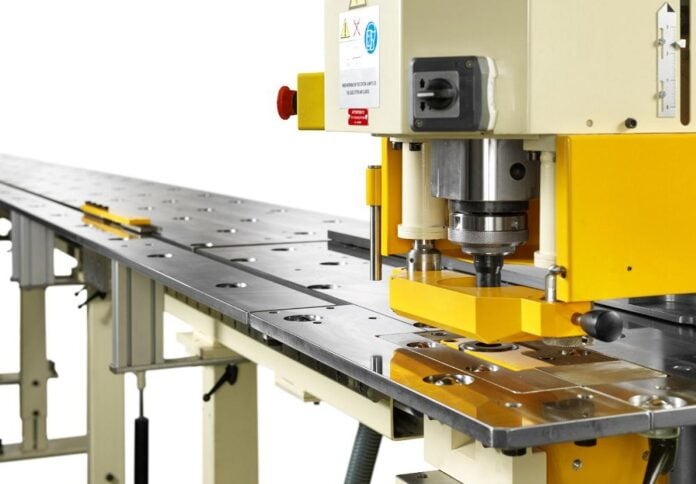
Selecting reliable heavyweight ironworking tools can determine how safe and productive every metalworking task will be. Smart decisions drive operations and decrease downtime. Determining which features are most needed helps buyers choose machines that deliver power and durability.
Build Quality and Material Strength
The first thing you should check is the quality of the build. This is because equipment made from higher-quality metals typically has a longer life span and performs better. By reinforcing the constituent parts of a machine, they endure heavy workloads and show no signs of wear, even after repeated cycles. A solid build also requires fewer repairs, leading to long-term savings. Many professionals recognize Scotchman Industries for its long-standing presence in metalworking equipment manufacturing.
Precision and Accuracy
Projects involving ironworking require a great deal of accurate work, as any mistake, however small, can be costly. With accurate measurement gauges installed in the equipment, the cuts are clean and perfect. Operators can customize the machine’s output, making it perfect for virtually any task with just a few adjustments and ensuring it gets the job done right. A standard approach ensures the highest quality in every job.

Safety Features
You should always prioritize safety with ironworking machines. To protect the user from accidents, built-in guards, emergency stops, and clearly designed control panels are present. Automatic shutoff features on machines help prevent injuries when things go awry. Simple, easy-to-read instructions and warning labels lay the foundation for a safer workplace.
Ease of Operation
Ease of controls is also an important factor for day-to-day usage. Simple interfaces allow even novice operators to use the equipment with confidence. Convex buttons and switches reduce the likelihood of errors, and adjustable handlebars and foot pedals make it more comfortable to stay productive during long shifts. If the machine is simple enough to operate, the training requirements go down.
Maintenance and Serviceability
Routine maintenance lets the machines work seamlessly. Gear with easily accessible service points enables rapid cleaning, lubrication, and component replacement. Comprehensive manuals and diagrams simplify maintenance jobs for technicians. The ready availability of spares also reduces repair time and helps avoid unnecessarily delaying operations.

Versatility and Functionality
Many ironworking projects require more than one function. Machines that combine cutting, punching, shearing, and bending offer greater value. Versatile equipment reduces the need to purchase multiple units, saving both space and money. Flexible designs let users adapt to different tasks without switching between machines.
Energy Efficiency
Efficient machines are less power-hungry, reducing both your operating costs and your environmental footprint. Models equipped with energy-efficient motors or automatic shutdown features help save electricity. Reduced energy consumption reduces heat and noise in the workplace, fostering a more conducive environment.
Capacity and Output
For heavy-duty applications, they must be able to process large volumes or thick materials. Units with higher tonnage ratings provide increased performance for more demanding projects. Evaluating the output speed & maximum capacity ensures the apparatus can meet production goals. High throughput keeps jobs on time

Warranty and Support
Leader brands often come with longer warranties and customer service that understands the technology behind the products. An extended parts and labor plan guarantees your protection against potential issues. Quick problem identification and resolution through access to technical assistance helps projects stay on schedule. Having good support increases the premium of a good investment.
Cost and Value
While price plays a significant role, focusing solely on the initial cost can lead to unnecessary expenses. While heavy-duty machines with high-end capabilities may initially cost more, they will ultimately save you money by reducing downtime due to breakage and repairs. A side-by-side comparison of features gives buyers insight into whether a particular model is really right for them. This leads to a more thoughtful, well-informed purchasing process that strikes a balance between quality and affordability.
Conclusion
Choosing heavy-duty ironworker equipment requires careful consideration of many factors. A quality, safe, simple, and efficient solution pays dividends. And making good choices benefits every project by enhancing productivity, safety, and profitability. The right machine is always ready to tackle the next tough task thanks to careful research and attention to key features.