It’s more urgent to be bilingual in South Florida
Key Points(5)
- As a result some Caribbean Americans often question why English isn’t the mandated language in South Florida, especially in the workplace.</span> <span style="font-weight: 400;">The English/Spanish issue has historically been controversial in South Florida.
- In 1980, as the Hispanic population in the Dade County increased, a group called Citizens of Dade United, proposed a ballot initiative to make English the official language of the county.
- With the late Cuban president Fidel Castro opening the gates of Cuba for thousands of undesirables to leave his country in the early 1980s in the “Mariel Boatlift” for Miami, county voters easily passed the initiative.
- </span> <span style="font-weight: 400;">From 1981 to 1993, English was the official language in Dade County.
- The Dade County English Only Ordinance forbade the county government to fund programs not conducted in English or conducting business in any other language.
Last week in West Kendall, a young Caribbean-American woman vented her frustration inside a dental office as she experienced difficulty communicating with the office staff who spoke very little to no English, and the woman spoke absolutely no Spanish.
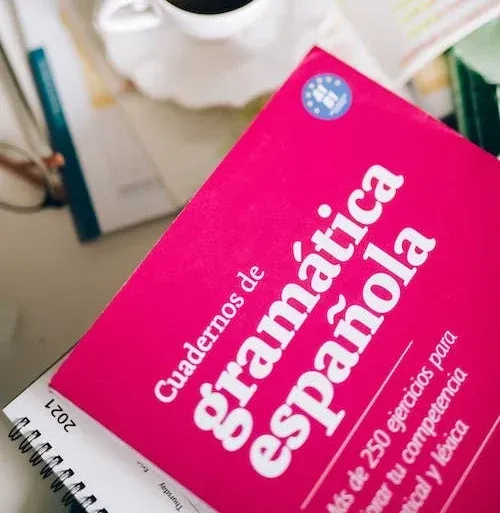
Coming to the US where English is the predominant language, few people from the English-speaking Caribbean anticipated one of the challenges they would encounter is communicating in languages other than English. For those who have settled in South Florida, especially in Miami-Dade County, they often find one of the requirements to get a job is being able to communicate in English and Spanish.
In Miami-Dade, which is characterized by large Hispanic communities in Hialeah, Sweetwater, parts of Coral Gables, South Miami, and West Kendall, Spanish seems to be the primary language. Several businesses have signage in Spanish, and English-speaking Caribbean migrants contend daily with customers and staff in supermarkets, restaurants, small stores, large department stores, and professional offices who speak little or poor English.
Naturally, the inability to communicate freely in English, not to mention barred from securing jobs for which one is otherwise qualified, because of the bilingual criterion, is frustrating. As a result some Caribbean Americans often question why English isn’t the mandated language in South Florida, especially in the workplace.
The English/Spanish issue has historically been controversial in South Florida. In 1980, as the Hispanic population in the Dade County increased, a group called Citizens of Dade United, proposed a ballot initiative to make English the official language of the county. With the late Cuban president Fidel Castro opening the gates of Cuba for thousands of undesirables to leave his country in the early 1980s in the “Mariel Boatlift” for Miami, county voters easily passed the initiative.
From 1981 to 1993, English was the official language in Dade County. The Dade County English Only Ordinance forbade the county government to fund programs not conducted in English or conducting business in any other language. At the time only a few jobs required the bilingual criterion.
However, not surprisingly, as the county’s Hispanic community rapidly increased, opposition to the ordinance grew. In 1993, following the redistricting of the Dade County Commission into 13 voting districts, the expanded bloc of Hispanic voters gave the commission a Hispanic majority. Shortly after, the commission voted down the English-only ordinance, leaving many Caribbean and other immigrants who didn’t communicate in Spanish increasingly frustrated in securing jobs that required applicants to be fluent in English and Spanish.
This resulted in more Caribbean Americans following those who already relocated from Dade County after Hurricane Andrew devastated the county in 1992 to Broward and Palm Beach counties where Spanish was far less prevalent.
This intra-migration has not, however, ended the region’s language frustrations. South Florida’s Hispanic community continues to grow exponentially with increasing numbers of immigrants from countries like Argentina, Venezuela, Colombia, and Puerto Rico migrating to South Florida. These immigrants are located not only in Miami-Dade County but now in Broward and Palm Beach Counties. Currently, some employers in these counties are also making being bi-lingual a criterion for employment.
Despite the frustration of people who only speak English, it’s unlikely Florida voters will ever again approve an English-only ordinance for any county or the state. Over 40 percent of South Florida’s population speak languages other than English, and mostly Spanish. This pattern expands nationally. Large percentages of the population of states like New York, California, Texas, Arizona, and Nevada speak Spanish and other languages.
During President Obama’s tenure, among reports that Florida, Arizona, and Texas planned to submit a national English-only bill, President Obama signed an executive order making those initiatives unconstitutional, calling them “anti-American.” On the other hand, although a national English-only policy is unlikely to be ever implemented, it’s indicative that lawmakers want to ensure immigrants learn and speak English. Several proposed immigration bills since 2013 include the requirement that undocumented immigrants seeking legal immigration status must learn English.
In the future, unless some Draconian immigration policy sweeps the nation officially requiring all immigrants to speak English only, it’s quite possible the US, or states like Florida, could officially be bilingual, English-Spanish, similar to Canada’s official English-French bilingual situation.
Years of immigration have made America a starkly diverse nation of races and languages. It’s unlikely the nation will ever have an “English only” label. It’s therefore practical that citizens in general, and English-speaking Caribbean American citizens in particular, make a deliberate effort to be multilingual, especially learning Spanish, the second dominant language.