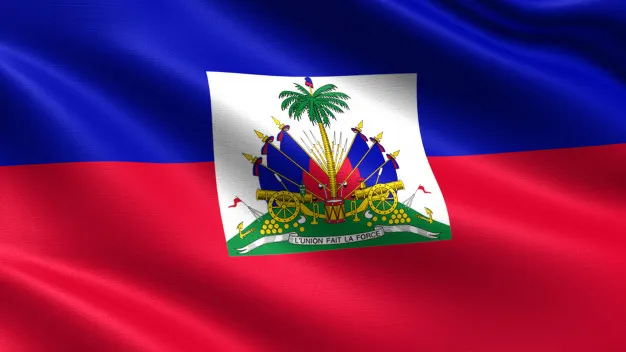
A proposal aimed at ushering in new leadership in Haiti encountered resistance on Wednesday as key political factions rejected the idea of establishing a presidential council to oversee the transition.

The proposed panel would play a pivotal role in selecting an interim prime minister and a council of ministers tasked with navigating a new course for the Caribbean nation, besieged by rampant gang violence that has crippled normalcy, shuttering schools and businesses.
Moïse Jean-Charles, a former senator and presidential contender, aligned with ex-rebel leader Guy Philippe, expressed his disapproval, signaling a significant rift in the acceptance of the proposed council.

Philippe, who played a central role in the 2004 revolt against former President Jean-Bertrand Aristide, criticized any involvement with the international community’s proposals, urging Haitians to assert their autonomy.
Rejection from high-profile figures
Prominent Haitian figures like Himmler Rébu, a former army colonel and head of the Grand Rally for the Evolution of Haiti party, also declined participation. Instead, Rébu advocated for a judge from Haiti’s Supreme Court to assume leadership, denouncing what he deemed as a pursuit of power without regard for its accompanying responsibilities.
International response
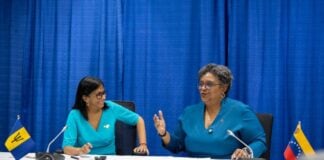
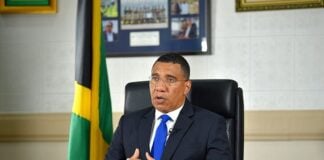
While Caribbean leaders spearheading the transitional council remained silent, the urgency of the situation prompted an intervention by US Secretary of State Antony Blinken. Prime Minister Ariel Henry’s announcement of his impending resignation upon the council’s establishment underscored the gravity of Haiti’s predicament.
Escalating crisis
Haiti’s descent into chaos escalated with gang attacks that ravaged the capital, Port-au-Prince, leaving a trail of destruction.
The violence saw the release of thousands of inmates, including notorious gang leaders, exacerbating an already dire situation.
The United Nations, expressing alarm, highlighted the humanitarian crisis unfolding, with casualties mounting and thousands displaced.

Uncertain path forward
As Haiti grapples with the aftermath of relentless violence, questions loom over the composition of the transitional council and its ability to steer the nation toward stability.
With key political factions rebuffing the proposed leadership overhaul, the road ahead remains uncertain, casting a shadow over Haiti’s prospects for peace and progress.