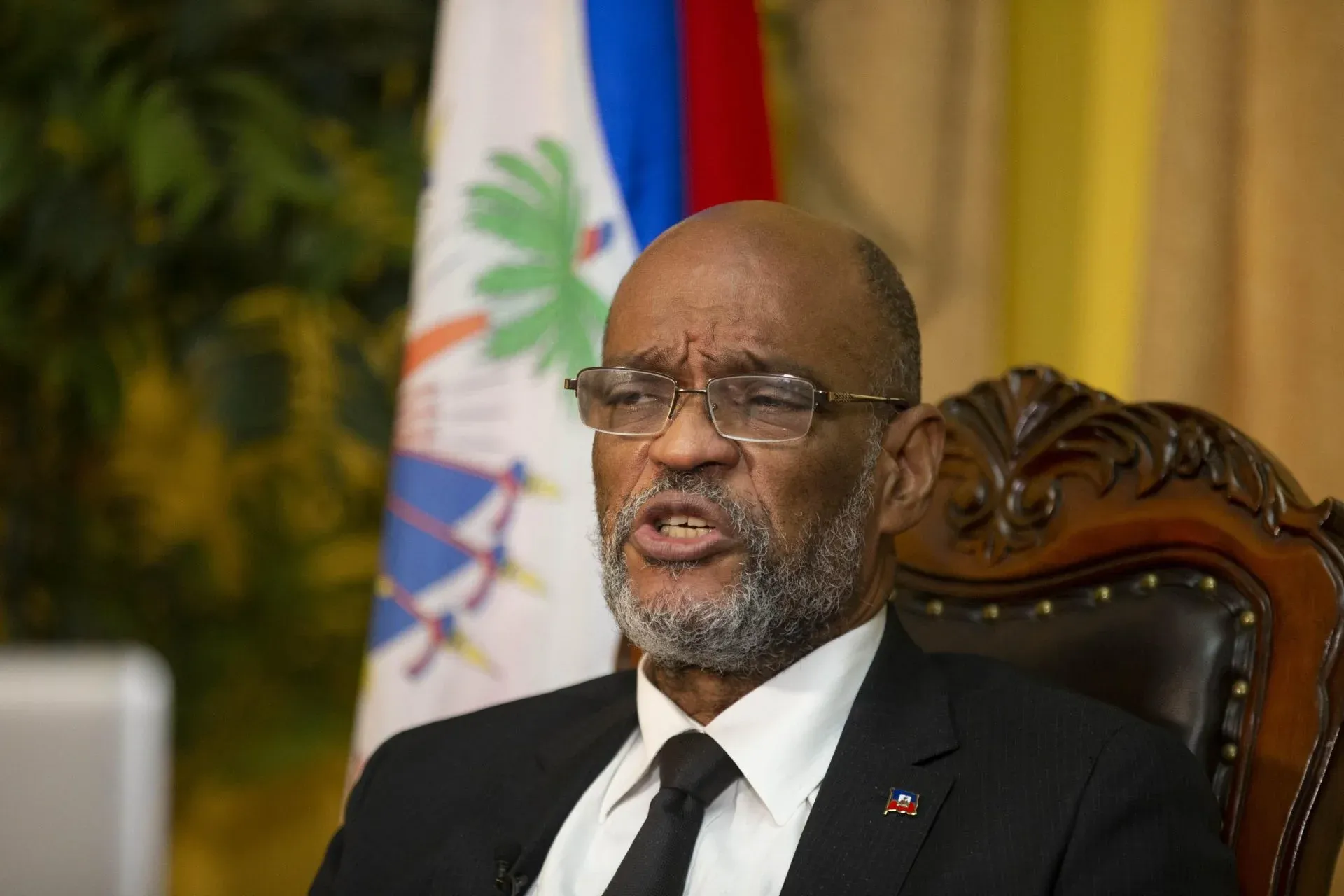
Haiti Prime Minister Ariel Henry resigns
Key Points(5)
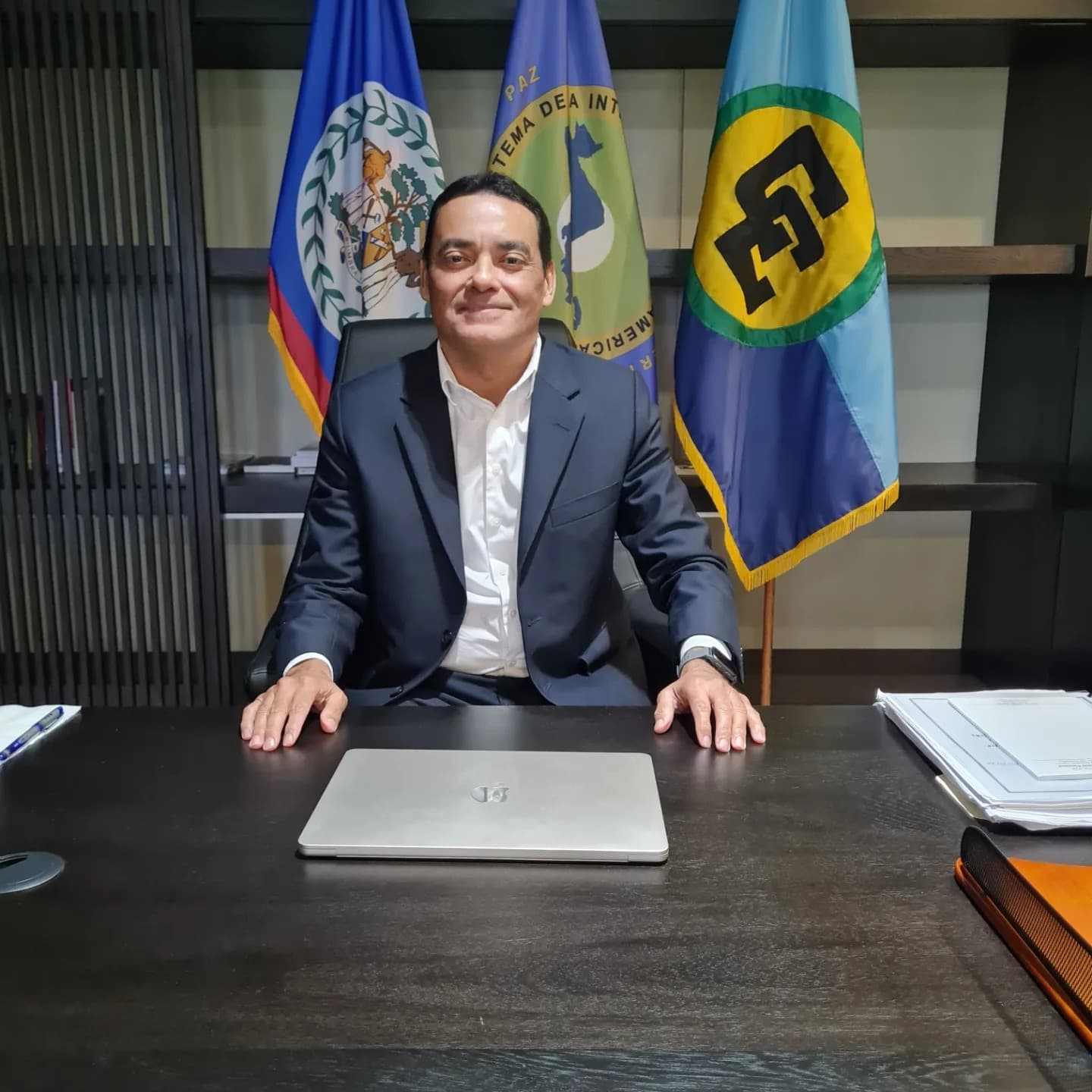
- Haiti's Prime Minister Ariel Henry has announced his resignation, according to CARICOM chairman Irfaan Ali.
- The announcement comes amid rising violence in Haiti and mounting pressure from gangs that were attempting to force him out of power after nearly three years as the leader of the French-speaking Caribbean country.
- On July 5, 2021, Henry was selected as the next prime minister of Haiti by President Jovenel Moïse, but two days later, Moïse was assassinated, stalling the transfer of power.
- At the time, incumbent Prime Minister Claude Joseph took control of the government, with the backing of the military, and was acknowledged by the United States as the rightful prime minister.
- Joseph later announced that he would stand down as prime minister in favor of Henry.
Haiti's Prime Minister Ariel Henry has announced his resignation, according to CARICOM chairman Irfaan Ali.
The announcement comes amid rising violence in Haiti and mounting pressure from gangs that were attempting to force him out of power after nearly three years as the leader of the French-speaking Caribbean country.
On July 5, 2021, Henry was selected as the next prime minister of Haiti by President Jovenel Moïse, but two days later, Moïse was assassinated, stalling the transfer of power. At the time, incumbent Prime Minister Claude Joseph took control of the government, with the backing of the military, and was acknowledged by the United States as the rightful prime minister.
A group of prominent diplomats to Haiti called the "Core Group", which is made up of ambassadors to Haiti from Brazil, the European Union, France, Germany, Spain, Canada, and the United States, in addition to representatives to Haiti from the Organization of American States and the United Nations, called on Henry to take charge as the head of the government on July 17. Joseph later announced that he would stand down as prime minister in favor of Henry.
Henry's tenure faced significant challenges, including political instability, social unrest, and a devastating earthquake in August 2021, which further strained the country's already fragile infrastructure and economy.
Resignation follows CARICOM meeting
Henry's resignation comes after regional leaders met earlier on Monday in Jamaica to discuss a framework for a political transition in Haiti, which the U.S. called last week to be "expedited" with the creation of a presidential council.
US Secretary of State Antony Blinken attended the high-level meeting and announced an additional US $133 million to aid the polycrisis in Haiti, amid a surge in violence.
Over the last two weeks, gangs have launched attacks on the presidential palace, resulting in casualties among the assailants, according to Lionel Lazarre of the Haitian police union. There were no reported police casualties.
The well-armed gangs have attacked key infrastructure in recent days, including two prisons, allowing the majority of their 3,800 inmates to escape.
Alongside some ordinary Haitians, the gangs called for the resignation of Prime Minister Ariel Henry, who was due to leave office in February but instead agreed to a power-sharing deal with the Opposition until new elections are held. Henry had promised to hold the long-delayed elections on several occasions.
The United States had also asked Henry to enact urgent political reform to prevent further escalation.
Just last month, Henry traveled to Kenya to sign an agreement on the deployment of 1,000 Kenyan policemen in Haiti. When he tried to return to Haiti, he was unable to land as gang attacks shuttered Port-au-Prince international airport.
Finance Minister Michel Patrick Boisvert assumed the role of acting prime minister and declared a state of emergency in the country's West Region and the capital Port-au-Prince.