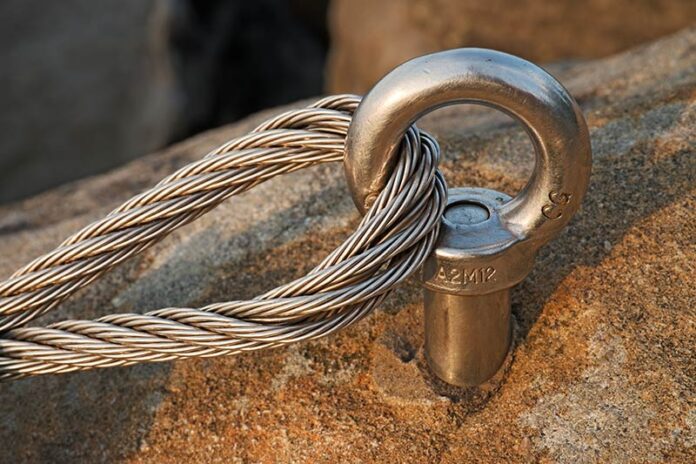
Eye bolts are standard hardware used in construction and rigging. These are some of the critical elements for both securing heavy loads and ensuring safe lifting jobs. Knowing their load ratings and following the safety guidelines can prevent accidents and damage to your equipment. This post covers essential information about the safe use of eye bolts on construction sites and rigging projects.

Understanding Eye Bolt Load Ratings
Construction projects frequently order eye bolts for sale online for secure anchoring and lifting tasks. Each eye bolt has a load rating, the maximum weight it can safely bear. Manufacturers assign ratings based on factors such as material strength, shape, and intended use. By utilizing an eye bolt with a design load, you ensure the structure’s soundness and the individual’s safety. Overloading the rating increases the likelihood of failure, which could lead to serious consequences.
Types of Eye Bolts and Their Applications
There are different types of eye bolts for other jobs. There are regular eye bolts, which are used for vertical lifting, and shoulder eye bolts, which are capable of dealing with angular loads. During lifting processes, swivel eye bolts turn freely to accommodate movement. Selecting the right type for the task enhances efficiency and guarantees adherence to safety regulations.

Proper Installation Techniques
You must properly install an eye bolt to ensure it performs its intended function. Use the entire threaded section in the supporting material to maximize holding power. Using washers and nuts will help distribute the load, reducing the risk of pulling out or twisting. To avoid mistakes, always follow the manufacturer’s instructions for the installation process.
Inspection and Maintenance Guidelines
Eye bolts should be inspected frequently to continue safe use. Check for signs of wear, deformation, or rusting before every use; replace any item that shows clear signs of damage or has stripped threads. Regularly cleaning and lubricating eye bolts also helps them to last longer by preventing rust.
Lifting and Rigging Safety Tips
Adhering to established safety practices minimizes hazards during lifting. Always align the load with the plane of the eye, as side loading can lead to bending or failure. Use the correct tools and lifting slings to distribute weight evenly. Never attempt to lift more weight than the specified load rating indicates.
Avoiding Common Mistakes
Most accidents happen because of minor slip-ups. Never use homemade or broken eye bolts, as this compromises safety. Use only specialized eye bolts for angular lifts, as ordinary ones were not designed for angular lifting forces. Note that this figure is provided only as a basic reference point, and load ratings and installation conditions should always be checked before undertaking any lifting operation.
Training and Awareness
All workers must know how to use eye bolts properly. Periodic training reminds staff of safe handling. Visual aids and concise directions around work sites ensure easy identification of hazards for all personnel. Creating a safe environment encourages staff to ask questions and communicate effectively.
Environmental Considerations
Environmental conditions affect the performance characteristics of eye bolts. Moisture, chemicals, and extreme temperatures can weaken materials over time. Corrosive locations should be avoided, and a corrosion-resistant option should be undertaken to improve dependability. Keep spare eye bolts in dry, sheltered locations to prevent corrosion.

Documentation and Recordkeeping
Maintaining records of all inspections, maintenance, and replacements helps ensure future safety. A log of each eyebolt’s use history enables them to detect wear patterns earlier. Logged documentation is intriguing during audits for workplace safety compliance. Neatly organizing the records helps manage the equipment well and create a safe working environment.
Conclusion
Using eye bolts safely in construction and rigging requires understanding load ratings and following proper procedures. Regular inspections, correct installation, and continuous training create a secure working environment. By applying these safety tips, workers can reduce risks and protect both people and equipment. Every step taken toward safety strengthens trust and reliability on every project.