IShowSpeed’s Jamaica tour shows how celebrity is changing across generations

Key Points(5)
- For others, particularly older Jamaicans, the reaction was more confusion than celebration.</p> <p data-start="361" data-end="624">“But who is this guy anyway?
- What is he doing in Jamaica?
- Can he run faster than Usain Bolt, Asafa Powell or even Elaine Thompson-Herah?
- It is clear Jamaica had a plan.
- It was clear Kingston is the home of culture, food and fun.”</p> <p data-start="4348" data-end="4390">Then she detailed the whirlwind itinerary.</p> <p data-start="4392" data-end="5039">“He did Bob Marley Museum.
For some Jamaicans, the arrival of internet superstar IShowSpeed sparked excitement usually reserved for music royalty or Olympic champions. For others, particularly older Jamaicans, the reaction was more confusion than celebration.
“But who is this guy anyway? What is he doing in Jamaica? Can he run faster than Usain Bolt, Asafa Powell or even Elaine Thompson-Herah? Dat me wah know!” one bemused observer opined, echoing the skepticism of many older Jamaicans trying to understand the frenzy.
Ask Gen Z, however, and the response is immediate: How do you not know him?
“I’ve never, ever seen the red carpet thrown out to a celebrity in Jamaica before like the one that Speed is getting!” Robb Loague posted on Facebook.
NY Groovin radio host Clement Hume responded, saying, “Robb, this is a clown show in production, bro.”
But younger Jamaicans see it differently.
“How do you not know him, and why don’t you understand what he is doing for Jamaica?” many online supporters argued.
That generational divide has become one of the most fascinating subplots of social media sensation Darren Jason Watkins Jr.’s visit to Jamaica. The 21-year-old content creator has transformed a simple stop on his Caribbean tour into a full-scale social media phenomenon.
American streamer IShowSpeed’s livestream from Kingston on Friday amassed more than 2.8 million views, with a peak of 194,805 live viewers. The broadcast also generated 696,349 live chat messages and brought in 34,692 new subscribers.
His cameraman later shared the figures on X with the caption: “Good stream.”
With nearly 54 million YouTube subscribers, IShowSpeed is a digital-age celebrity with a reach that rivals traditional entertainment powerhouses like NBC, CBS and CNN. Even with that global reach, not everyone in Jamaica was impressed.
For younger Jamaicans, Speed’s visit wasn’t just entertainment — it was validation that Jamaica matters in the new global digital culture.
Reporter Janet Silvera of the The Gleaner captured the magnitude of the moment, writing: “With close to 54 million YouTube subscribers, internet sensation IShowSpeed has turned his visit to Jamaica into a global spectacle, giving the island major visibility among younger travellers.”
The Jamaica Tourist Board clearly saw the opportunity.
“Creators are drawn to places that produce authentic, memorable content, and Jamaica delivers that almost effortlessly,” JTB executive Donovan White said, adding, “The livestream itself is just the starting point. The content keeps generating value long after the broadcast ends.”
Showcasing Jamaican culture in Kingston
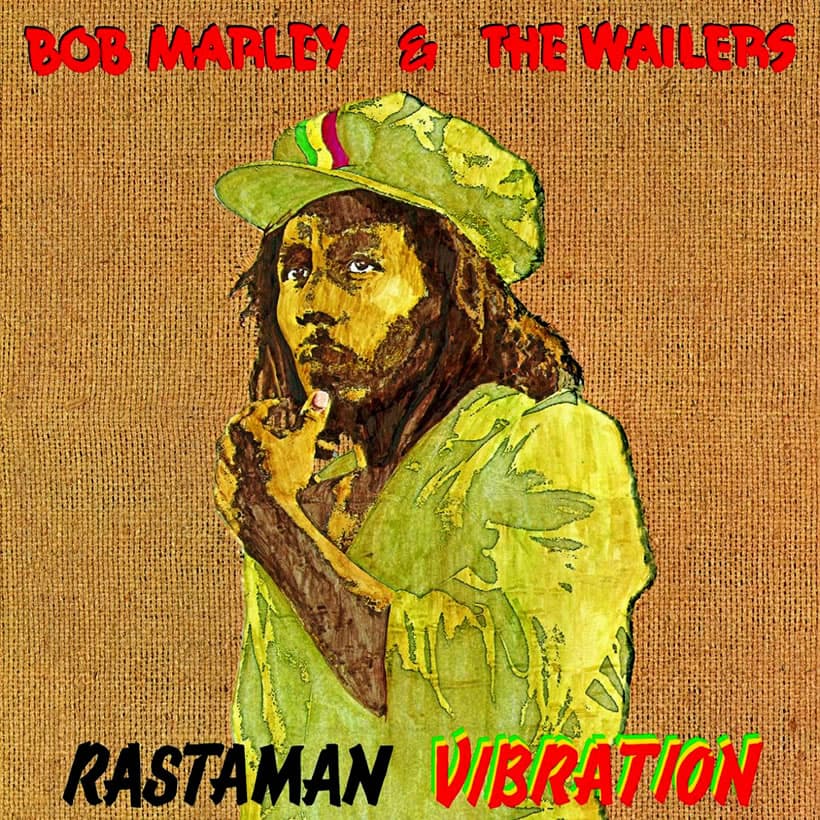
As part of the Jamaican leg of his Caribbean tour, Speed visited several iconic locations across Kingston, including Emancipation Park, the Bob Marley Museum, Devon House and the National Stadium.
The tour kicked off at Emancipation Park with a history session led by former Miss Jamaica Universe Yendi Phillipps. Known simply as “Speed,” the streamer received a brief lesson on Jamaica’s national heroes and took part in a traditional Kumina dance alongside a group of local students.
He also interacted with Culture Minister Olivia Grange and several prominent Jamaican entertainers, including Jesse Royal, Sean Paul, Beenie Man, Shenseea, Popcaan, Naomi Cowan and Gyptian. The stream ended with a drone show and dancehall party featuring Ding Dong.
Jamaican-born, Toronto-based media personality Danae Peart described the visit like a producer reviewing a blockbuster.
“IShowSpeed’s live from Jamaica on Friday was awesome. It is clear Jamaica had a plan. It was clear Kingston is the home of culture, food and fun.”
Then she detailed the whirlwind itinerary.
“He did Bob Marley Museum. Later, Romeich and them did a street dance simulation, and he went on stage with Ding Dong. They took him to Devon House, where there was lots of food, but his belly was full from eating at least three Tastee patties and coco bread beforehand. They made him do a relay at the stadium, and his team lost. Shenseea taught him how to make ackee and saltfish. He did a freestyle with Sean Paul at Haile Selassie school. Of course, he tried KFC. The stream ended with one of the lovely drone shows dedicated to him. Lots happened, and it was well planned.”
For supporters, it was brilliant nation branding.
“This is free tourism advertisement! Speed is doing a Caribbean tour … I don’t know why my people want to throw cold water on this!” Robb Loague shared on Facebook.
John Wick offered a more business-minded perspective in response to Loague’s post.
“What you are seeing is social marketing at play. Not many media personalities provide an audience of 160 million live views. What you saw in Jamaica was everyone capitalizing on IShowSpeed’s 160 million social media followers and viewers. The last Super Bowl is said to have had 124 to 125 million viewers, and it costs US$10 million for a 30-second ad spot. The ‘clowns’ at the ‘clown show’ all got the equivalent of a US$10 million ad buy for free. Don’t discount what’s happening in the new world of social media,” he wrote.
Andrew Price framed the cultural shift even more bluntly.
“Who are his supporters? Who is he? An influencer on social media. That’s where the masses in Jamaica live and exist. They see him as one of them. It’s the social media era, my brother.”
Novlette Dias saw the visit as evidence that Jamaica understands the changing landscape.
“A de new generation ting dis. Streaming is huge.”
She later added, “Proud of him. I’ve been following him since his African tour. He opened up Africa like never before. Black people understood the assignment.”
But the skepticism remains. For many older Jamaicans, celebrity still means singers, athletes and actors — people whose fame was built through traditional pathways. IShowSpeed represents a new kind of fame: instant, interactive, borderless and powered by algorithms instead of television executives.
And in Jamaica, a country that has always understood the value of cultural export, the debate may not really be about IShowSpeed at all. It may instead be about whether the older generation is ready to accept that global influence no longer looks the way it used to.