Breast cancer prevention: Bold and proactive practices for Caribbean women
Key Points(5)
- <!-- wp:paragraph --> <p>Breast cancer remains a significant public health concern for women in the Caribbean, consistently manifesting as a leading cause of cancer-related deaths among this demographic.
- </p> <!-- /wp:paragraph --> <!-- wp:paragraph --> <p>Medical experts have noted that various factors contribute to this alarming trend, including a high prevalence of aggressive cancer forms, late-stage diagnosis, and genetic predispositions specific to women of Caribbean descent.
- Additionally, many Caribbean women grapple with challenges related to healthcare access and awareness, further complicating early detection and timely treatment efforts.
- The following guidelines can help in reducing a woman's risk of developing breast cancer or result in early detection and treatment.</p> <!-- /wp:paragraph --> <!-- wp:paragraph --> <p>1.
- <strong>Regular screenings:</strong> Early detection significantly improves the chances of successful treatment.
Breast cancer remains a significant public health concern for women in the Caribbean, consistently manifesting as a leading cause of cancer-related deaths among this demographic.
Medical experts have noted that various factors contribute to this alarming trend, including a high prevalence of aggressive cancer forms, late-stage diagnosis, and genetic predispositions specific to women of Caribbean descent. Additionally, many Caribbean women grapple with challenges related to healthcare access and awareness, further complicating early detection and timely treatment efforts.
Alarming statistics
According to a November 2022 report by Caricom Today, breast cancer diagnoses constitute more than a quarter ( 27.4 per cent) of all cancer cases in Caribbean females, underscoring the urgency of addressing this health crisis.
Reports are that in 2020, approximately 5,874 women succumbed to breast cancer, highlighting the silent but steadily escalating crisis in the region.
Reducing the risk of breast cancer

While breast cancer’s presence is undeniable, preemptive steps exist to mitigate its impact significantly. The following guidelines can help in reducing a woman's risk of developing breast cancer or result in early detection and treatment.
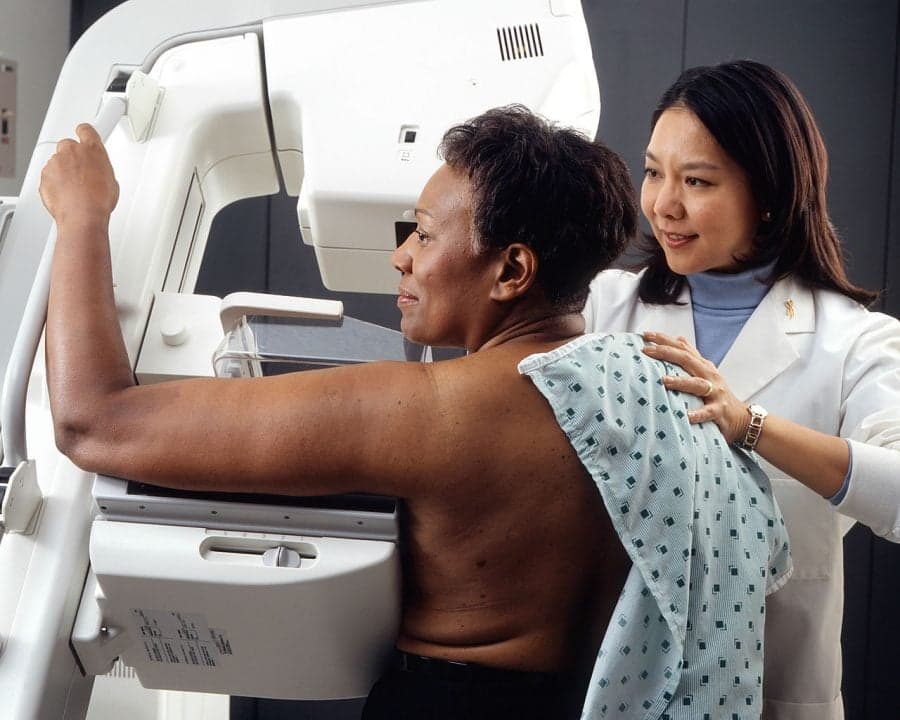
1. Regular screenings: Early detection significantly improves the chances of successful treatment. Women aged 40 and over, along with those with a family history of breast cancer should prioritize annual mammograms.
2. Know your risk: The genes most commonly affected in hereditary breast and ovarian cancer are the breast cancer 1 (BRCA1) and breast cancer 2 (BRCA2) genes. Genetic testing for BRCA1 and BRCA2 mutations, which are more prevalent among women of African descent, can provide invaluable information in understanding your individual risk for breast cancer.
3. Maintain a healthy lifestyle: Adopt a diet rich in fruits, vegetables, and whole grains while limiting alcohol intake and processed foods. Exercise regularly to maintain a healthy body weight, reducing the risk of breast cancer.
4. Self-examinations: Perform monthly breast self-exams to familiarize yourself with the normal look and feel of your breasts. By doing this, you should be able to identify any changes.
5. Advocate for yourself: Be proactive in seeking medical advice and treatment, asking questions, and exploring all available options.
Breast cancer prevention for women, specifically those within the Caribbean community involves a combination of lifestyle adjustments, regular screenings, and active advocacy. Awareness and education remain pivotal in reducing breast cancer-related disparities in this community.