Is Compulsory Military Service the Answer to Jamaica's Crime Problem?
Key Points(5)
- Holness was referring to compulsory military service, a system that is used by over 80 countries around the world with varying degrees of compulsion.
- This is probably the most radical measure being considered as part of the country's crime plan to date.
- While the idea of having our youth enlist in military service has good intentions, the foundations of compulsory service were not built to curb crime but to increase military power in the event of war.
- It is typically used in militaries with the greatest need or by the most autocratic leaders.
- Jamaica does not have a military problem; it has a youth problem.
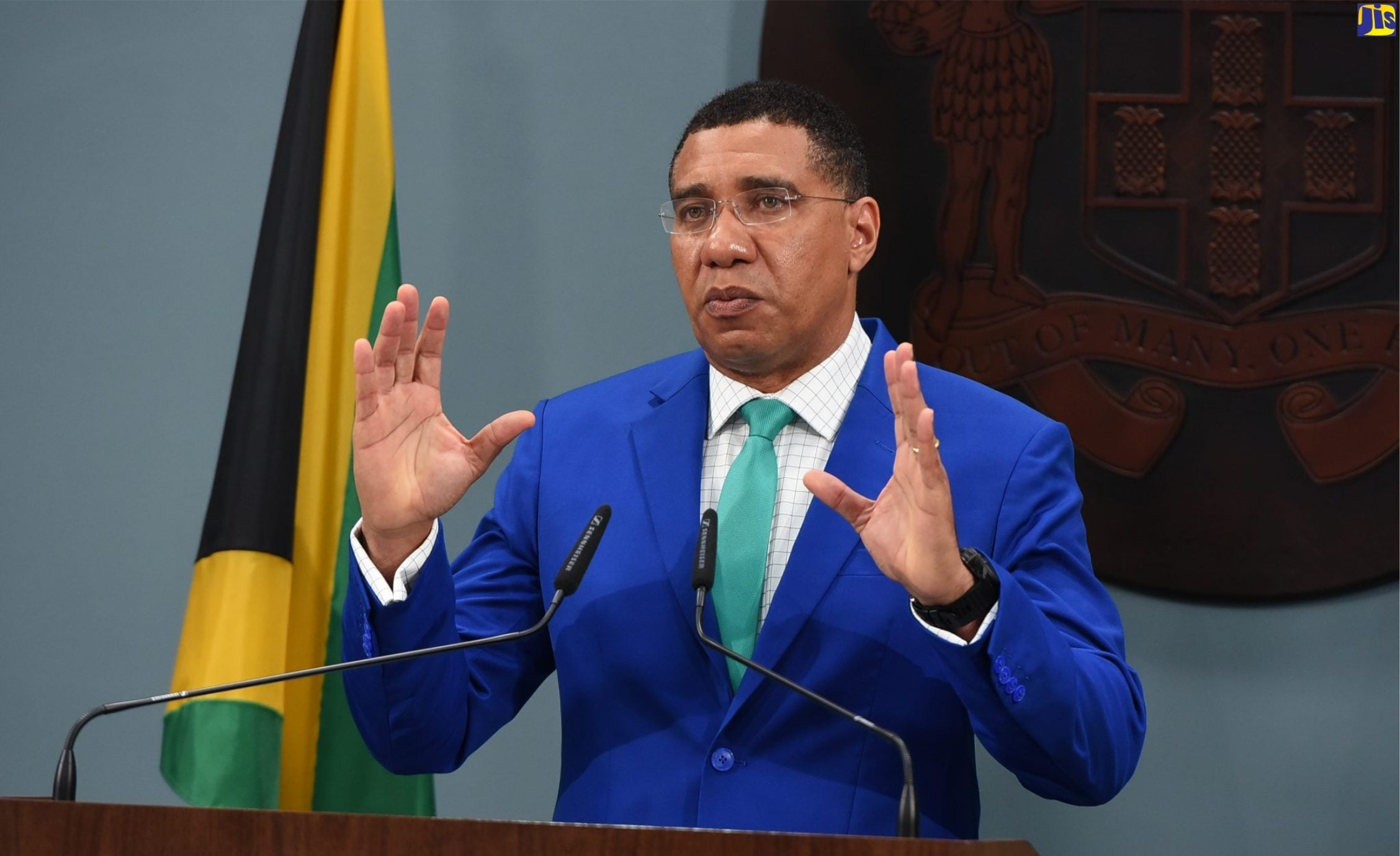
In a recent address marking the ground-breaking ceremony of a police station in Jamaica, Prime Minister Andrew Holness touted the use of a “national compulsory service program” to radically “change the trajectory of youth-generated crime.”
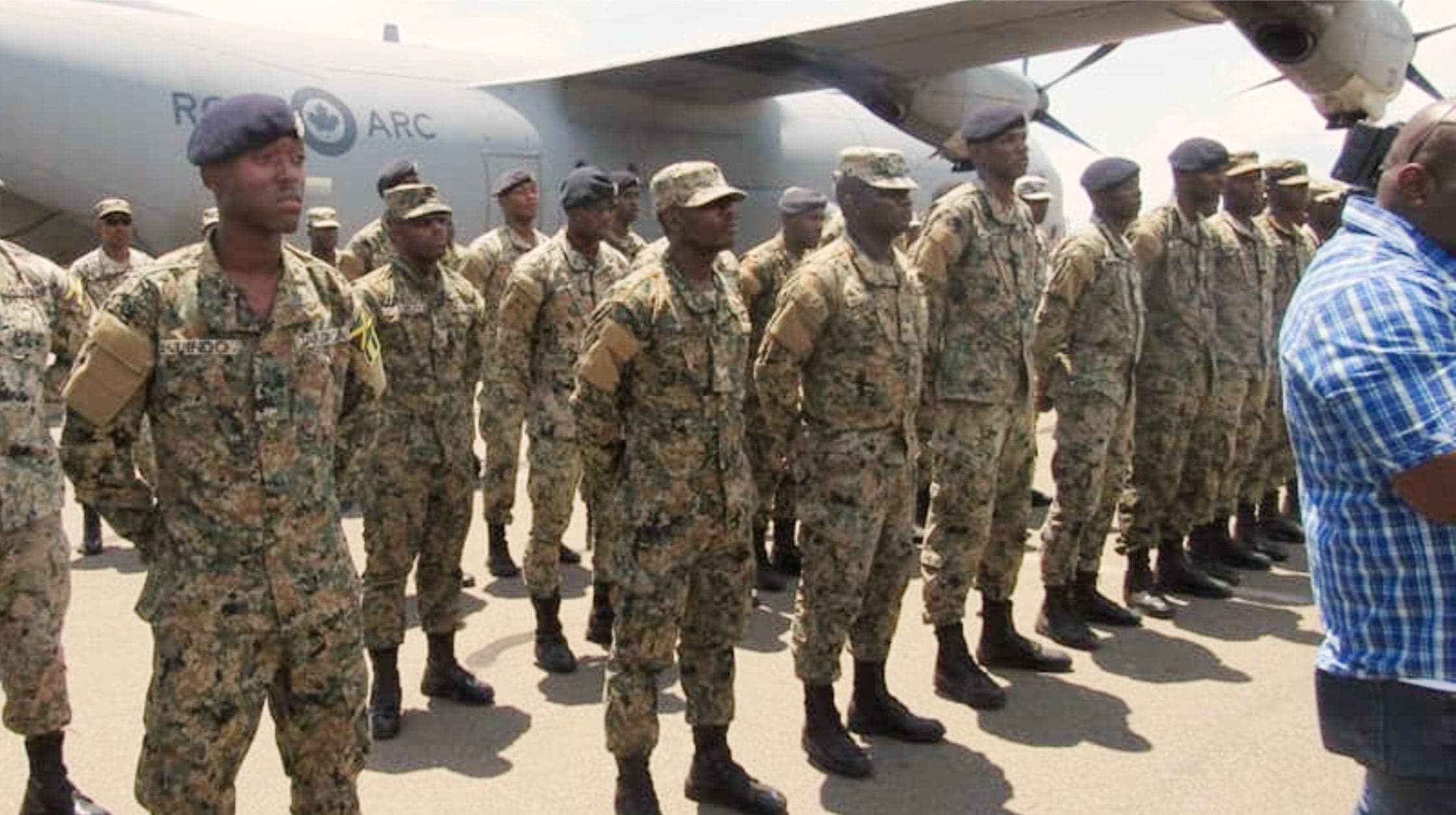
The Prime Minister's speech comes on the heels of reports from the Jamaica Constabulary Force (JCF) that 405 murders have been recorded in Jamaica since the start of the year.Mr. Holness was referring to compulsory military service, a system that is used by over 80 countries around the world with varying degrees of compulsion. This is probably the most radical measure being considered as part of the country's crime plan to date.
While the idea of having our youth enlist in military service has good intentions, the foundations of compulsory service were not built to curb crime but to increase military power in the event of war. It is typically used in militaries with the greatest need or by the most autocratic leaders.
Jamaica does not have a military problem; it has a youth problem. Youth with needs that are not being satisfied. Youth who can't argue and disagree without a fight, and youths whose greed causes them to act without care for the lives of their brothers and sisters.
Mr. Holness said it is clear to him that “part of the solution to our problem is that we must be out there, literally, recruiting the young men before the gangs recruit them.” Would it not make sense then to go after the gangs? What is so enticing in these gangs that cause them to be such good recruiters?
The Prime Minister also said in his address that: “In as much as the crime is driven by economic consideration, the truth is, it is more driven by social considerations — how they have been socialized and how they have been cultured.”
One problem with the mandatory military solution is that unless there is a program to address the fundamental needs of these recruits when they graduate, life will be the same for them as it was before they get militarized. The economic conditions will still exist, and the social problems will show themselves again. We have seen evidence of how financial needs can turn disciplined individuals to activities of crime. Just look at the actions of some members of the JCF.
Another concern with mandatory military service in a “free” society is that parents and potential recruits are likely to devise ways to beat the system, as we have seen in the United States, where a “draft” service exists in law but is not implemented. Therefore, it means that the rich and famous will likely be excluded from “mandatory” service because they have the means and the contacts.
There is no doubt that the training while in the military creates more disciplined citizens. One cannot argue that having more disciplined youths especially males, could result in a more conscientious society.
Any solution to reduce the crime rate in Jamaica should be considered. But is the Prime Minister sending the right message to a free democratic society that ended “forced labor” in the land 188 years ago?
If economics, social and cultural issues play a role in Jamaica's crime problem, why not create a master plan to tackle those problems?
“We are not going to change the trajectory of the society without taking this kind of action to radically shake up the system to bring those young men, in particular, who went to school and achieved nothing will never achieve anything in their lives other than to brag about notches on their pistols and the number of children they have but didn't father.” - PM Andrew Holness
Jamaica needs to ensure that all our youth achieve something in school and life. That should be part of the emphasis and the plans, ensuring that Jamaica is the best place to be born, live, enjoy life, and retire happily.