Opinion: Iran war could hit Caribbean economies hard
Key Points(5)
- Most Caribbean nations rely on imported fuel and food, have economies heavily dependent on tourism and shipping, and carry high debt levels.
- When crises like the Iran war occur, their effects ripple through oil markets, trade, and prices.</p> <p data-start="667" data-end="1062">The ongoing war is disrupting oil flows, particularly through the Strait of Hormuz, which handles roughly 20% of global oil supply.
- Oil prices have already surged more than 50% and could rise further, creating one of the largest global energy shocks in decades.
- For the Caribbean, sustained high oil prices mean higher gasoline and electricity costs, which in turn drive up the cost of living.</p> <p data-start="1064" data-end="1377">Rising fuel costs also disrupt shipping, increase fertilizer prices, and push up the global price of food and consumer goods.
- Fertilizer costs are already climbing due to supply disruptions, and the cost of shipping and goods is rising worldwide.
While the Iran conflict is unfolding thousands of miles away, the Caribbean could feel its effects—not through missiles or drones, but through potentially devastating economic consequences.
The region is highly exposed to global shocks. Most Caribbean nations rely on imported fuel and food, have economies heavily dependent on tourism and shipping, and carry high debt levels. When crises like the Iran war occur, their effects ripple through oil markets, trade, and prices.
The ongoing war is disrupting oil flows, particularly through the Strait of Hormuz, which handles roughly 20% of global oil supply. Oil prices have already surged more than 50% and could rise further, creating one of the largest global energy shocks in decades. For the Caribbean, sustained high oil prices mean higher gasoline and electricity costs, which in turn drive up the cost of living.
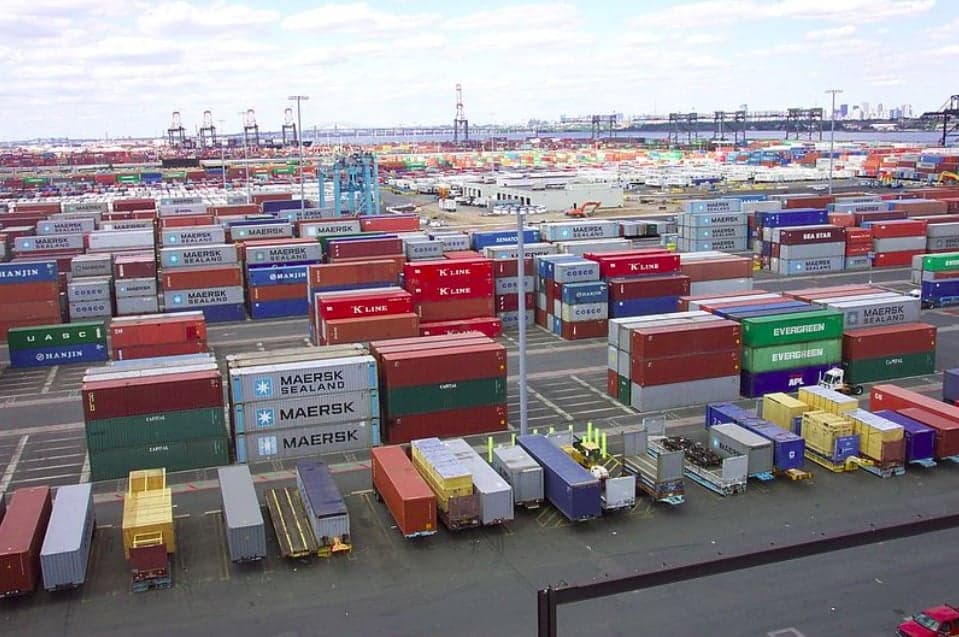
Rising fuel costs also disrupt shipping, increase fertilizer prices, and push up the global price of food and consumer goods. Fertilizer costs are already climbing due to supply disruptions, and the cost of shipping and goods is rising worldwide. Higher shipping expenses can also impact construction materials.
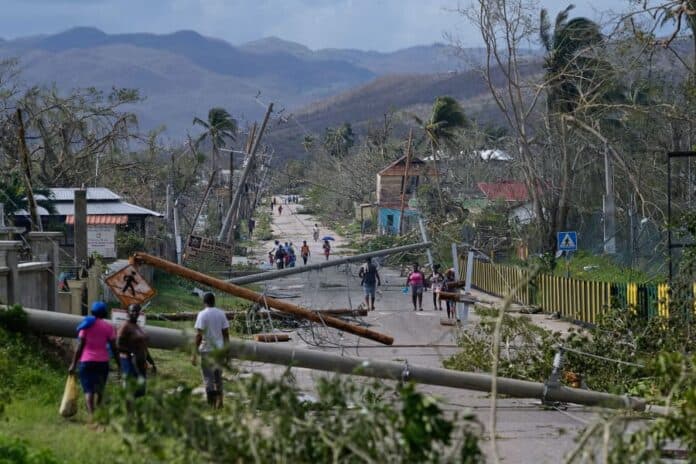
In the Caribbean, consumers are already seeing higher grocery bills. Low-income households are particularly vulnerable, and overall inflation is likely to rise across most countries. In Jamaica, where widespread construction is underway following last year’s Hurricane Mellisa, estimates for building projects may need significant revision due to increased material costs.
Tourism, the lifeblood of many Caribbean economies, is also at risk. The war affects airline fuel costs, ticket prices, and traveler confidence, potentially reducing visitor numbers, shortening stays, and lowering spending—slowing economic growth for affected countries.
Governments may need to increase fuel subsidies to protect citizens, while reduced tourism revenue could exacerbate debt pressures. The combined effect may slow development projects and lead to higher taxes or borrowing.
Some Caribbean nations could benefit. Oil-producing countries like Guyana and Trinidad and Tobago may see gains from higher energy prices, and some tourists might shift from conflict regions to the Caribbean. However, these positives are likely outweighed by the broader economic challenges.
Even if the conflict ends soon, its impact on global oil prices could linger for months, prolonging economic stress in the Caribbean. Experts stress the importance of taking measures to counter these effects, including:
- Accelerating renewable energy adoption (wind and solar) to reduce reliance on imported oil.
- Strengthening regional cooperation through CARICOM, including bulk purchasing of fuel and food, shared reserves, and logistics support.
- Boosting local agricultural production, investing in climate-resilient farming, and reducing dependence on imported food.
- Diversifying economies beyond tourism, with emphasis on digital services, finance, and niche industries.
- Supporting vulnerable households with food and other essential subsidies.
Vulnerability varies across the region. Haiti is the most exposed due to its heavy dependence on imports, weak infrastructure, and limited economic buffers. Inflation caused by global crises would hit Haiti fastest and hardest.
Countries like The Bahamas, Barbados, Antigua and Barbuda, and St. Lucia are highly sensitive because tourism is a dominant share of GDP, and declines in visitors could trigger double-digit economic drops. Jamaica and the Dominican Republic may fare slightly better thanks to larger, more diversified economies, though they still face inflation and slower growth.
The least vulnerable—and potential beneficiaries—are oil and gas producers Guyana and Trinidad and Tobago, who could gain from higher global energy prices. Nonetheless, both remain exposed to price volatility and market instability.
In short, the Caribbean will not face bombs, but it will feel the economic shock—through fuel price hikes, food inflation, tourism slowdowns, and trade disruptions. If the conflict is short-lived, the impact will be temporary. If it drags on, however, the region could face serious and prolonged economic strain.