





Six out of 10 U.S. parents are choosing the human papillomavirus (HPV) vaccine
According to the Centers for Disease Control and Prevention (CDC), 6 out of 10 U.S. parents are choosing to get the human papillomavirus (HPV) vaccine for their children. This information was documented in a report published in the CDC Morbidity and Mortality Weekly publication.
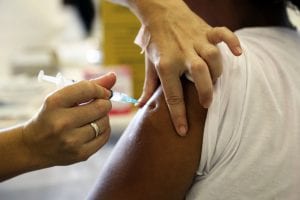 The CDC recommends parents get two doses of HPV vaccine for their children, at ages 11 or 12 to protect against cancers caused by HPV infections. It appears, however, that most children are getting their first dose of HPV vaccine, with many not completing the series.

“I’m pleased with the progress, but too many teens are still not receiving the HPV vaccine – which leaves them vulnerable to cancers caused by HPV infection,” said CDC Director Brenda Fitzgerald, M.D. “We need to do more to increase the vaccination rate and protect American youth today from future cancers tomorrow.”
It is noted that:
- Adolescents who get the first dose of the HPV vaccine before their 15th birthday will need two doses of HPV vaccine.
- Teens and young adults who start the series later, at ages 15 – 26 years, will require three doses of the vaccine in order to be protected.
Teen HPV vaccination: Key Findings
The annual National Immunization Survey-Teen (NIS-Teen) report, which examines vaccination coverage among U.S. adolescents released the following findings:
- 60 percent of teens ages 13 to 17 received one or more doses of HPV vaccine in 2016, an increase of 4 percentage points from 2015.
- The HPV vaccine is becoming more common among boys, narrowing the vaccination rates between boys and girls with a 6 percentage point increase from 2015 for boys. Currently, about 65 percent of girls received the first dose, versus 56 percent of boys.
- Many youths are not keeping up with the full treatment. Only 43 percent of teens are up to date on all the recommended doses of the HPV vaccine; HPV vaccination rates were also lower in rural and less urban areas compared to more urban areas.
Looking Ahead
Statistics are encouraging for future trends in HPV vaccination. In 2016, the CDC updated its HPV vaccine recommendations as follows:
- 2 doses of the HPV vaccine in younger adolescents now provided levels of protection similar to those seen for three doses in older adolescents and young adults.
- 11 to 12-year-olds should get two doses of HPV vaccine at least six months apart.
“Recent changes to the vaccine recommendations mean preventing cancer is easier now than ever before,” said Nancy Messonnier, M.D., director of CDC’s National Center for Immunization and Respiratory Diseases.
Parents are encouraged to take advantage of any visits to the doctor, to get the HPV vaccine for their child.
Adolescents should get the HPV vaccine during the same visit they get whooping cough and meningitis vaccines.


 encourages parents to protect children from cancers caused by HPV.)