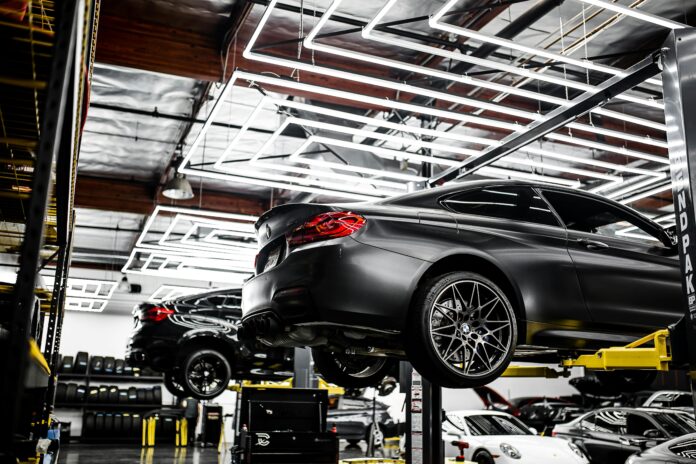
Few things strike more fear into a driver than a major car repair. Whether it’s a failing transmission, a worn-out engine, or a malfunctioning braking system, the sudden reality of expensive repairs can feel overwhelming. But panicking won’t fix your car—or your wallet. With a calm, informed approach, you can tackle major car repairs efficiently and reduce stress along the way.
Recognize the Signs Early
The first step in handling major car repairs is knowing when something is wrong. Ignoring early warning signs often turns small, manageable issues into expensive headaches. Common indicators of serious car problems include:
- Unusual noises, like grinding or knocking
- Warning lights on the dashboard
- Fluid leaks under the vehicle
- Difficulty steering or braking
- Reduced fuel efficiency
Paying attention to these signs can help you address problems before they escalate into full-blown repairs. Regular maintenance and inspections are your best defense against sudden, costly issues.

Understand the Repair
Once you’ve identified a problem, it’s essential to understand the scope of the repair. Ask your mechanic to explain the issue in simple terms: what’s broken, why it happened, and what needs to be replaced or fixed. Understanding the repair helps you make informed decisions and prevents unnecessary charges.
Request a detailed estimate from your mechanic, breaking down labor, parts, and potential additional costs. Don’t hesitate to get a second opinion if the diagnosis seems unclear or the price seems unusually high. Knowledge is power when it comes to major car repairs.
Budgeting for Unexpected Costs
Major car repairs can be expensive, and unexpected repairs can put a dent in your finances. It’s a good idea to have a dedicated emergency fund for vehicle issues. However, if you don’t have enough savings on hand, personal loans in Utah or other forms of financing can help cover the repair costs.
When considering financing, compare interest rates, repayment terms, and total costs. Only borrow what you need and ensure that the loan is manageable within your monthly budget. Proper planning can prevent a car repair from becoming a financial crisis.
Choosing the Right Mechanic
Not all mechanics are created equal. Look for certified, reputable service centers with positive reviews and fair pricing. Word of mouth and online reviews are invaluable when selecting a mechanic for major repairs. A trusted professional can save you money by diagnosing the problem accurately and completing repairs efficiently.
If possible, choose a mechanic experienced with your car’s make and model. Specialized knowledge often translates into faster, more reliable repairs. Avoid “quick fixes” or shortcuts, as they can cause more significant issues down the road.

Preventive Maintenance Is Key
While major repairs can’t always be avoided, preventive maintenance is the best way to reduce the likelihood of costly breakdowns. Regular oil changes, tire rotations, brake inspections, and fluid checks can extend your car’s lifespan and help detect problems early.
Keep a log of your vehicle’s maintenance history. Not only does this help you stay on top of required service, but it can also increase the resale value of your car. A well-maintained car is less likely to suffer sudden, expensive failures.
Stay Calm and Plan Your Next Steps
The most important thing during a major car repair is to stay calm. Panicking will only make the process more stressful. Focus on solutions, ask questions, and plan your next steps. Consider alternative transportation options if your car will be out of commission for a few days, and remember that addressing the problem promptly can prevent further damage and higher costs.
In Conclusion
Major car repairs don’t have to be a nightmare. By recognizing early signs, understanding the repair process, budgeting wisely, choosing the right mechanic, and staying on top of preventive maintenance, you can handle these situations with confidence. And if the cost feels overwhelming, options like personal loans in Utah can provide a temporary financial bridge. With the right approach, you can keep your car—and your peace of mind—on the road.