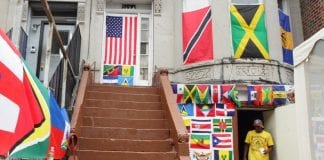
For the 20th successive year, Caribbean-American Heritage Month is being commemorated this June. The observance highlights the meaningful contributions Caribbean immigrants have made to American history and development. Yet, these contributions remain relatively unknown to many Caribbean-Americans and are barely recognized by the average American.

Caribbean-American heritage dates back to the 17th century, when enslaved people were brought from Barbados to Boston. Since then, Caribbean immigrants have impacted various areas of American life, excelling as inventors, educators, doctors, attorneys, journalists, entrepreneurs, cultural and sports icons, politicians, and civil rights activists.
These immigrants didn’t come simply to make “quick money” and return home. They came seeking opportunity—and left their mark on the country they adopted.

Few, if any, Caribbean immigrants were content to retreat to the back of the bus heading to a segregated, humiliating destination. Caribbean people have historically not seen themselves as inferior—a fact sometimes misunderstood by African-Americans who endured a different legacy of racist oppression. This misunderstanding has led to Caribbean migrants being called “uppity Blacks.” But most Caribbean immigrants don’t see themselves as better than others. They simply refuse to accept inferiority. Leaders like Jamaican Marcus Garvey sought to uplift all Black people by promoting a message of racial pride and strength.
Since the inception of Caribbean-American Heritage Month by President George W. Bush in 2005, U.S. presidents have issued annual proclamations. This year, however, the White House failed to do so—a striking omission. While no reason was given, one might conclude the current administration doesn’t fully appreciate the distinctiveness and value of Caribbean immigrants.
Because their contributions aren’t widely understood, they’re often not fully appreciated. Hopefully, this year’s commemoration helps change that—especially during today’s anti-immigrant climate.
Still, the Caribbean-American community may share some blame for its lack of visibility. Unlike other ethnic groups, Caribbean-Americans hail from many nations. That diversity, while a strength, has also hindered cohesiveness. Though many Caribbean-Americans and their descendants have made notable individual contributions, the community of some 7 million is still developing its collective power.
To realize its full potential, Caribbean nationals must begin identifying as members of one unified Caribbean-American community. That won’t be easy. The same regional pride that undermined the West Indies Federation and still hampers CARICOM can also hinder unity here. But it must be overcome.
Caribbean-Americans have played key roles in shaping the U.S., but much remains to be accomplished. They deserve the same recognition afforded to other immigrant groups like Hispanics and Jews.

Caribbean-Americans are not content to be viewed solely as Black Americans, though they are. They want to be recognized as a distinct ethnic group—with their own culture, political voice, and business sector. That recognition must be unconditional.
This month provides an opportunity to educate Americans on the Caribbean’s deep-rooted impact—dating back to the 17th century and still going strong.
Caribbean migrants must continue carving out their place in American society without losing their uniqueness.
Icons like Kamala Harris, Shirley Chisholm, Colin Powell, Sidney Poitier, Malcolm X, Claude McKay, Tim Duncan, Madge Sinclair, and Una and Yvette Clarke are proof of that enduring influence. They integrated Caribbean values into American life and fought for progress in their communities.
But the work isn’t finished. One month of celebration isn’t enough. The Caribbean story is woven through American history—and deserves lasting recognition. Caribbean-Americans must push for proper representation in the Census, in all levels of government, and throughout civic life.
They helped build America—and continue to. Now it’s time to build the infrastructure and unity needed to ensure their rightful place as a formidable and enduring American community.