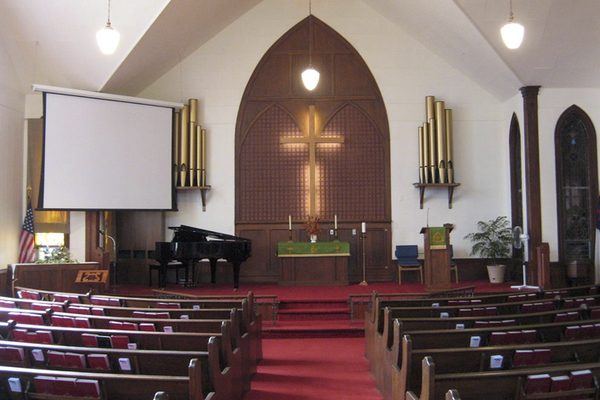
In accordance with Christian tradition, churches in the U.S. and across the Caribbean will be more crowded on Easter Sunday than on other Sundays. Many churches report that turnout doubles on Easter. Pastors often identify Easter as the day with either their highest or second-highest attendance of the year.

This high turnout suggests that Christianity remains strong and alive in the U.S. and the Caribbean. However, many churches are concerned about declining attendance throughout the rest of the year. This concern is especially pronounced among traditional churches, including Catholic, Episcopalian, Lutheran, Presbyterian, and Methodist denominations.
The decline in church attendance raises the question: Are people less religious, or are churches becoming more irrelevant?

In the U.S., there’s a growing belief that people—especially the youth—are becoming less religious overall. Surveys by Pew and Gallup show that more Americans now identify as “religiously unaffiliated,” including agnostics and atheists. While belief in the Christian God remains relatively high compared to other countries, regular church attendance and traditional religious affiliation have dropped.
A growing number of people find the church irrelevant to their daily lives. Some churches are perceived as stuck in outdated ways of thinking or political stances that don’t resonate with younger or more diverse communities. Many feel that churches fail to address real-world issues like social equality, same-sex relationships, climate change, and mental health—or that they are too judgmental or politically charged.
As mentioned earlier, the decline in attendance is more pronounced in traditional churches than in non-traditional ones. Charismatic leadership in non-traditional churches often attracts larger congregations.
Traditional churches are facing a cultural shift: society, especially younger generations, is becoming more secular. Many young people, unlike their elders, don’t feel obligated to attend church simply because it’s “the right thing to do.” As a result, a once-engrained habit is fading.
These traditional churches also tend to maintain centuries-old worship formats, which some find boring or unengaging. By contrast, non-traditional churches often offer passionate “praise” sessions, with emotional singing and bands heavy on percussion and drumming. Sermons in non-traditional churches are often dynamic and centered on real-life issues or current events, while traditional sermons often stick to scripture-based themes with a more formal tone. Many who consider themselves spiritual aren’t drawn to the structure and rigidity of traditional churches, and instead find the more relaxed and flexible approach of newer churches more appealing.
There are also youth who find neither traditional nor non-traditional churches appealing. Although they believe in Christianity, they prefer to cultivate a personal relationship with God outside the church setting.

Another significant factor keeping people away from church is perceived hypocrisy among church leaders. Scandals within the Catholic Church involving priests have driven some people away. Similarly, controversies involving popular pastors of newer churches have shaken trust. Many people are now seeking faith communities free from hypocrisy—places where leaders address real-life issues and create an environment of acceptance, rather than judgment or exclusion.
For religion and churches—both traditional and non-traditional—to regain relevance in American and Caribbean societies, efforts must be made to attract and engage youth.
Churches and their leaders must be mindful not to appear judgmental. Many young people have strong convictions about issues like LGBTQ+ rights, racial justice, and gender equality. They don’t feel churches are safe spaces for open discussion or for being their authentic selves.
Churches must also recognize that today’s youth are eager to be part of community initiatives. Many young people now find their communities online, especially through social media. Churches need to find meaningful ways to offer real, relevant community that competes with these digital spaces.
Moreover, with busy schedules filled with school, sports, work, and social activities, church is losing its place as a priority. When churches fail to adapt or integrate into modern life, people—especially the youth—gradually drift away.
The internet, with its vast access to information, has exposed people to alternative worldviews, scientific perspectives, and critiques of religion. If churches can’t respond effectively and credibly to these challenges, faith and religion will continue to lose influence.
The large turnout at Easter services shows that the roots of Christianity remain strong for many. But for churches—especially traditional ones—to thrive, they must evolve and become more relevant to people’s lives year-round.