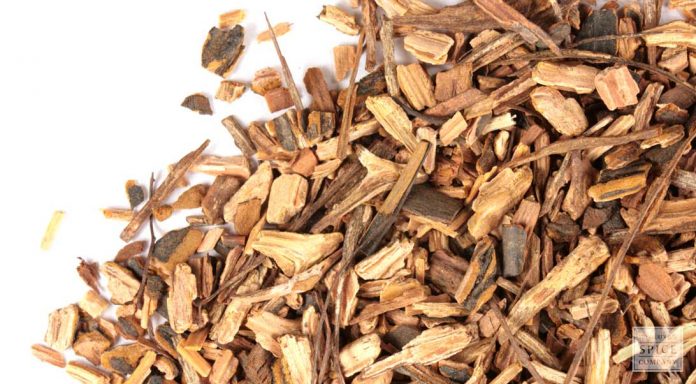
Herbal remedies are commonplace in many Jamaican households. Culturally, Jamaicans believe if you’re affected by a malady, there’s definitely a tea to remedy it. Using herbs is a deeply ancestral practice, connecting many Jamaicans to their African, and in some cases indigenous Caribbean, forbearers.

Here are three herbs that are popular in Jamaica, and their uses.
Sarsaparilla
Sarsaparilla is a tropical plant that looks like a creeping vine, common across the Caribbean and bits of South and Central America. It’s from the genus Smilax.

Prized for its “blood-purifying” (this term will recur) properties, it is believed that this is a plant with skin-cleansing abilities. It’s commonly used as a treatment for several skin conditions such as psoriasis, eczema, and dermatitis.
Within sarsaparilla are compounds called saponins. Saponins give sarsaparilla its patented bitter taste and are the largest class of plant extracts. They can interact directly with cell membrane components (think cholesterol, etc.) upon ingestion, which has led to them being a crucial component of many modern pharmaceuticals. Other compounds in the plant help reduce inflammation and joint pain, making sarsaparilla a common treatment for arthritis.
Many Jamaican men consume tonic or “roots” with a heavy sarsaparilla base and believe it to increase sexual stamina, libido, and prowess.
Cerasee
Cerasee tea is the bitter drink that strikes fear in many Jamaican children growing up. A kind of “do it all” plant, many mothers and grandmothers would quickly resort to boiling the cerasee leaves, serving it hot and unsweetened to ill children.
The cerasee plant has over 200 compounds in it, chief among them is saponin, like Sarsaparilla. Cerasee shares many of the same inflammatory, antibiotic, and “blood-purifying” properties. Many in Jamaica drink cerasee tea to treat diabetes and arthritis. Professional studies performed on animals theorize that the plant may have anti-cancer properties as well.
However, there are possible side effects from overconsumption of cerasee. Certain studies have shown that overconsumption might lead to anemia, pregnancy loss, and low blood sugar levels.

Fever Grass
Fever Grass, which is more widely known around the world as lemongrass and citronella, is the only herb on this list that is used for culinary purposes. The long leafy plant can sometimes be found in certain curries across the globe. The leaves possess a lemony aroma with a hint of citrus flavor when steeped.
Medicinally, lemongrass is used as a sleep aid, pain relief, and immunity booster. It is a known diuretic, and as such is a natural treatment for heart failure, liver failure, and edema. Lemongrass also has properties for treating muscular pain and soreness, making it an excellent natural remedy for menstrual cramps.
In Jamaica lemongrass is colloquially known as fever grass as it is commonly used to treat colds and the flu. It is believed that the plant not only soothes the pain but helps to break the fever itself.