UN warns of rights violations as more pregnant women deported to Haiti
Key Points(5)
- According to the latest data from the International Organization for Migration (IOM), nearly 20,000 individuals — including a growing number of highly vulnerable women — were deported by land in April 2025, marking a record number for a one-month period.
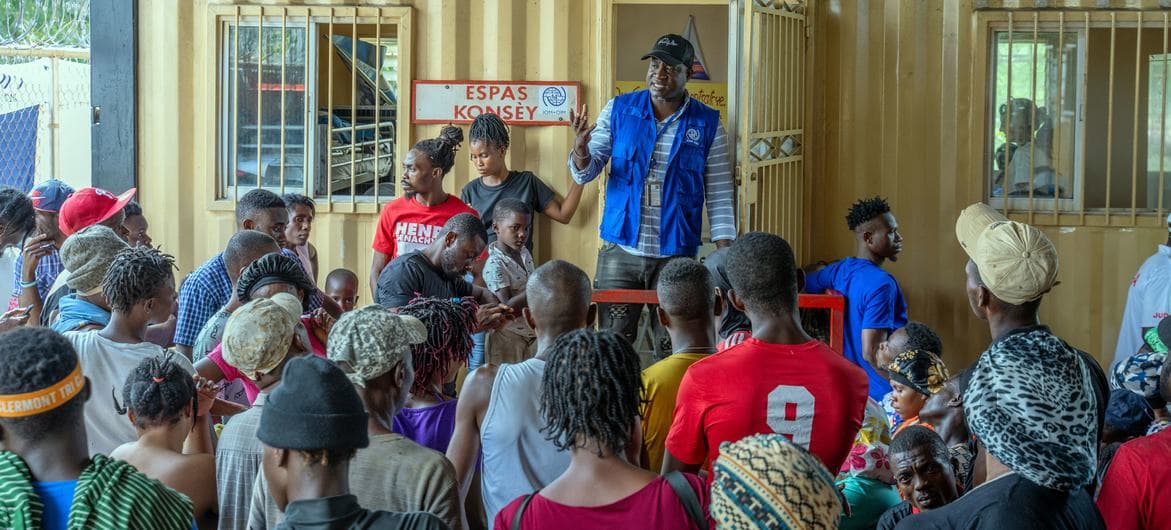
- At the Belladère and Ouanaminthe border crossings, the National Office for Migration (ONM) and IOM, in coordination with other partners, have assisted an average of 15 pregnant women and 15 breastfeeding mothers per day since 22 April.
- “It is imperative that commitments to protecting vulnerable populations are upheld.
- These expulsions raise serious humanitarian and human rights concerns, particularly when they involve pregnant women or mothers with very young children,” said Ulrika Richardson, United Nations Humanitarian Coordinator in Haiti.
- These deportations compound an already complex humanitarian crisis affecting millions of people across the country.
The United Nations Humanitarian Country Team (HCT) in Haiti is raising alarm over the growing number of vulnerable Haitian women — particularly those who are pregnant or breastfeeding — being deported from the Dominican Republic, in what the team calls a violation of international humanitarian standards.
According to the latest data from the International Organization for Migration (IOM), nearly 20,000 individuals — including a growing number of highly vulnerable women — were deported by land in April 2025, marking a record number for a one-month period. At the Belladère and Ouanaminthe border crossings, the National Office for Migration (ONM) and IOM, in coordination with other partners, have assisted an average of 15 pregnant women and 15 breastfeeding mothers per day since 22 April.
“It is imperative that commitments to protecting vulnerable populations are upheld. These expulsions raise serious humanitarian and human rights concerns, particularly when they involve pregnant women or mothers with very young children,” said Ulrika Richardson, United Nations Humanitarian Coordinator in Haiti.
These deportations compound an already complex humanitarian crisis affecting millions of people across the country. Armed violence in several regions has displaced more than one million individuals.
In addition, food insecurity continues to worsen nationwide. Over 5.7 million people — half the population — are currently facing acute food insecurity, with pockets of near-famine conditions.
In response to this situation, United Nations agencies and their humanitarian partners, in coordination with Haitian authorities, are mobilizing to address the most urgent needs — including through the provision of safe drinking water, adapted hygiene kits, medical care, temporary shelter, psychosocial support, and food assistance.
The Humanitarian Country Team is urging regional governments to adopt migration policies that respect human dignity and to show greater solidarity in addressing a crisis that increasingly transcends national borders.