UN human rights official concludes visit to Barbados and The Bahamas
Key Points(5)
- During her visit to The Bahamas, which concluded on Friday, Fuentes Julio officially inaugurated the new premises of the UN Human Rights Regional Office for the Caribbean in Sandy Port, marking a significant expansion of the organization’s presence in the region.
- Established in 2024 following a UN Human Rights Council resolution, the regional office serves 13 Caribbean countries, providing technical assistance, capacity-building and support for engagement with international human rights mechanisms.
- “The Caribbean has an important voice in the global human rights agenda.
- We are here to listen, strengthen partnerships and work together with governments, civil society and communities to advance human rights for all,” said UN Human Rights Regional Representative Michelle Brathwaite.
- The office’s priorities include promoting equality and non-discrimination, strengthening national human rights institutions and the rule of law, and advancing climate and reparatory justice.
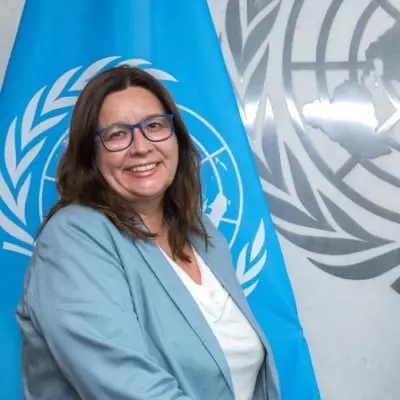
United Nations Assistant Secretary-General for Human Rights Claudia Fuentes Julio has concluded her first official visit to Barbados and The Bahamas, reaffirming the organization’s commitment to strengthening human rights protections and addressing social and economic challenges across the Caribbean.
During her visit to The Bahamas, which concluded on Friday, Fuentes Julio officially inaugurated the new premises of the UN Human Rights Regional Office for the Caribbean in Sandy Port, marking a significant expansion of the organization’s presence in the region.
Established in 2024 following a UN Human Rights Council resolution, the regional office serves 13 Caribbean countries, providing technical assistance, capacity-building and support for engagement with international human rights mechanisms.
“The Caribbean has an important voice in the global human rights agenda. We are here to listen, strengthen partnerships and work together with governments, civil society and communities to advance human rights for all,” said UN Human Rights Regional Representative Michelle Brathwaite.
The office’s priorities include promoting equality and non-discrimination, strengthening national human rights institutions and the rule of law, and advancing climate and reparatory justice.
While in The Bahamas, Fuentes Julio met with Prime Minister Philip Davis, Attorney General Wayne Munroe and other senior government officials. She expressed appreciation to the Bahamian government for hosting the regional office and reaffirmed the UN’s commitment to working with governments and communities throughout the Caribbean.
Reparatory justice was also a key focus of the visit. Fuentes Julio toured Clifton Heritage National Park, a historic site documenting the experiences of the Indigenous Lucayan people and enslaved people, as well as the lasting effects of slavery and colonialism.
“Places like Clifton Heritage humble us and also compel us to act,” she said. “Reparatory justice demands more than acknowledging the horrors of the past. It requires confronting their lasting consequences, dismantling systemic discrimination and racism, and ensuring that affected communities are at the heart of efforts to achieve justice.”
The senior UN official also met with civil society representatives to discuss regional challenges, including gender-based violence, migration, climate justice, mental health and evidence-based policymaking.
Earlier in the week, Fuentes Julio visited Barbados, where she held discussions with Acting Minister of Foreign Affairs Sandra Husbands, Attorney General Wilfred Abrahams, civil society representatives and members of the diplomatic community.
Discussions included the proposed establishment of an independent National Human Rights Institution in Barbados, an initiative supported by the UN regional office.
“Human rights must be at the heart of our collective efforts to build societies where everyone can live in dignity, equality and security,” Fuentes Julio said.
“Our commitment is to work with countries and communities across the Caribbean to translate these principles into concrete improvements in people’s lives.”
The UN Human Rights Regional Office for the Caribbean serves Antigua and Barbuda, The Bahamas, Barbados, Belize, Dominica, Grenada, Guyana, Jamaica, St. Kitts and Nevis, St. Lucia, St. Vincent and the Grenadines, Suriname, and Trinidad and Tobago.