Haiti PM defends security operations amid Amnesty International concerns
Key Points(5)
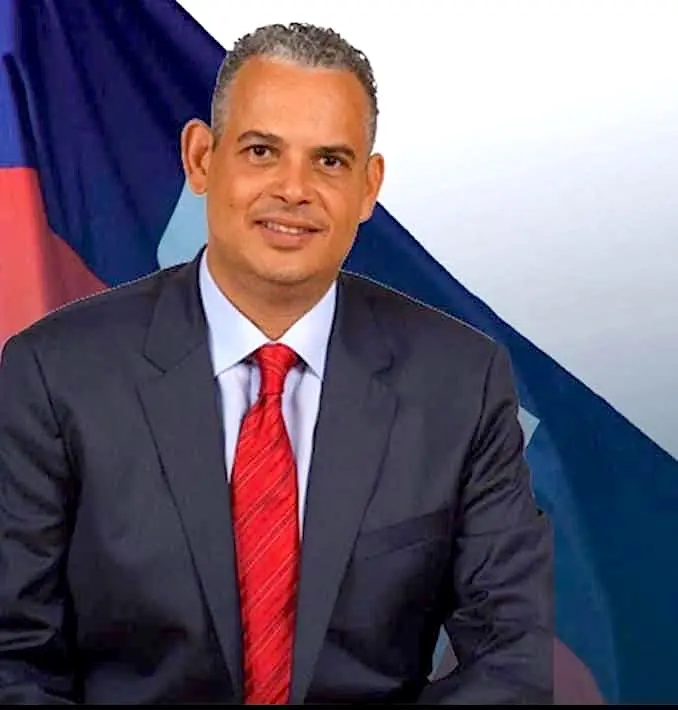
- Haitian Prime Minister Alix Didier Fils-Aimé has defended ongoing security operations involving Salvadoran military personnel, saying that while human rights and transparency must be upheld, the Haitian people also have a fundamental right to security and freedom from gang violence.
- His comments follow a call by Amnesty International for the governments of Haiti and El Salvador to ensure that the deployment of Salvadoran military personnel complies with international human rights law.
- In a statement posted on social media, Fils-Aimé said respect for human rights and transparency must accompany any security operation.
- “However, they must not serve as a pretext to disregard the right of the Haitian people to be protected and to regain their freedom,” he said.
- As a result, those personnel fall outside the mandate and monitoring mechanisms of the United Nations Support Office in Haiti (UNSOH).
Haitian Prime Minister Alix Didier Fils-Aimé has defended ongoing security operations involving Salvadoran military personnel, saying that while human rights and transparency must be upheld, the Haitian people also have a fundamental right to security and freedom from gang violence.
His comments follow a call by Amnesty International for the governments of Haiti and El Salvador to ensure that the deployment of Salvadoran military personnel complies with international human rights law.
In a statement posted on social media, Fils-Aimé said respect for human rights and transparency must accompany any security operation.
“However, they must not serve as a pretext to disregard the right of the Haitian people to be protected and to regain their freedom,” he said.
Amnesty International issued its appeal earlier this month after Stéphane Dujarric, spokesperson for the United Nations secretary-general, clarified that the vast majority of Salvadoran military personnel recently deployed to Haiti are not part of the UN Security Council-authorized Gang Suppression Force (GSF).
As a result, those personnel fall outside the mandate and monitoring mechanisms of the United Nations Support Office in Haiti (UNSOH).
“The Prime Minister of Haiti, Alix Didier Fils-Aimé, and the President of El Salvador, Nayib Bukele, must ensure that all operations conducted by Salvadoran forces in Haiti comply with international human rights law,” said Ana Piquer, Amnesty International’s Americas director.
“The Haitian Prime Minister’s commitment not to tolerate violations must translate into effective safeguards. Both governments must make public the agreement governing the deployment and explain how they oversee the deployed forces, what rules govern the use of force, to whom they are accountable, and how people can report possible violations without fear of reprisals,” Piquer added.
El Salvador has reportedly deployed between 2,000 and 2,500 military personnel to Haiti following the disappearance of four Salvadoran Air Force technicians who were serving with the UN-backed Gang Suppression Force.
Initially launched as a rescue effort, the Salvadoran mission has since expanded into a broader crackdown on Haitian criminal gangs, including the powerful 400 Mawozo gang.
Amnesty International warned that security operations could exacerbate risks for communities already facing a severe humanitarian crisis, particularly when conducted near homes, schools and hospitals.
The organization called on both governments to protect civilians, prevent forced displacement, ensure access to food and medical care, and conduct independent and impartial investigations into allegations of human rights violations.
It also called for authorities to establish the whereabouts of the four Salvadoran military personnel, who have been missing since Oct. 18, and for their immediate and unharmed release if they are being held by an armed gang.
“The response to gang violence must not replicate the abuses and impunity that have characterized previous interventions in Haiti,” Piquer said.
Fils-Aimé, however, stressed that Haitians have endured years of violence at the hands of criminal gangs and deserve to live free from fear.
“The Haitian people have an absolute right to security, freedom, and the respect of their fundamental rights,” he said.
“For years, armed groups have held a large part of the country hostage, subjecting millions of Haitians to daily terror: massacres, kidnappings, rapes, murders, forced displacements, arson, and attacks on public institutions.”
Meanwhile, the Haitian National Police reported that criminal gangs attacked farmers at the Bolosse market on Wednesday. Local official Renold Vertus said at least 10 people were killed and several others injured.
Haiti has experienced escalating gang violence and political instability since the assassination of President Jovenel Moïse at his private residence on July 7, 2021, with armed groups expanding their territorial control and deepening the country’s humanitarian crisis.