Rubio tells Trinidad: Venezuela sanctions not neant to derail economy
Key Points(5)
- <section class="module featured-content page-header "> <div class="row" dir="ltr"> <div class="featured-content__copy"> U.S.
- In a call with Prime Minister Stuart Young, Rubio stressed that the move was not intended to undermine Trinidad and Tobago’s energy ambitions or economic stability.
- According to State Department spokesperson Tammy Bruce, both leaders agreed to work closely on solutions that uphold U.S.
- sanctions on Venezuela without adversely affecting Trinidad and Tobago’s energy sector.
- "Secretary Rubio recognized that energy security is important to Trinidad and Tobago’s prosperity and economy.
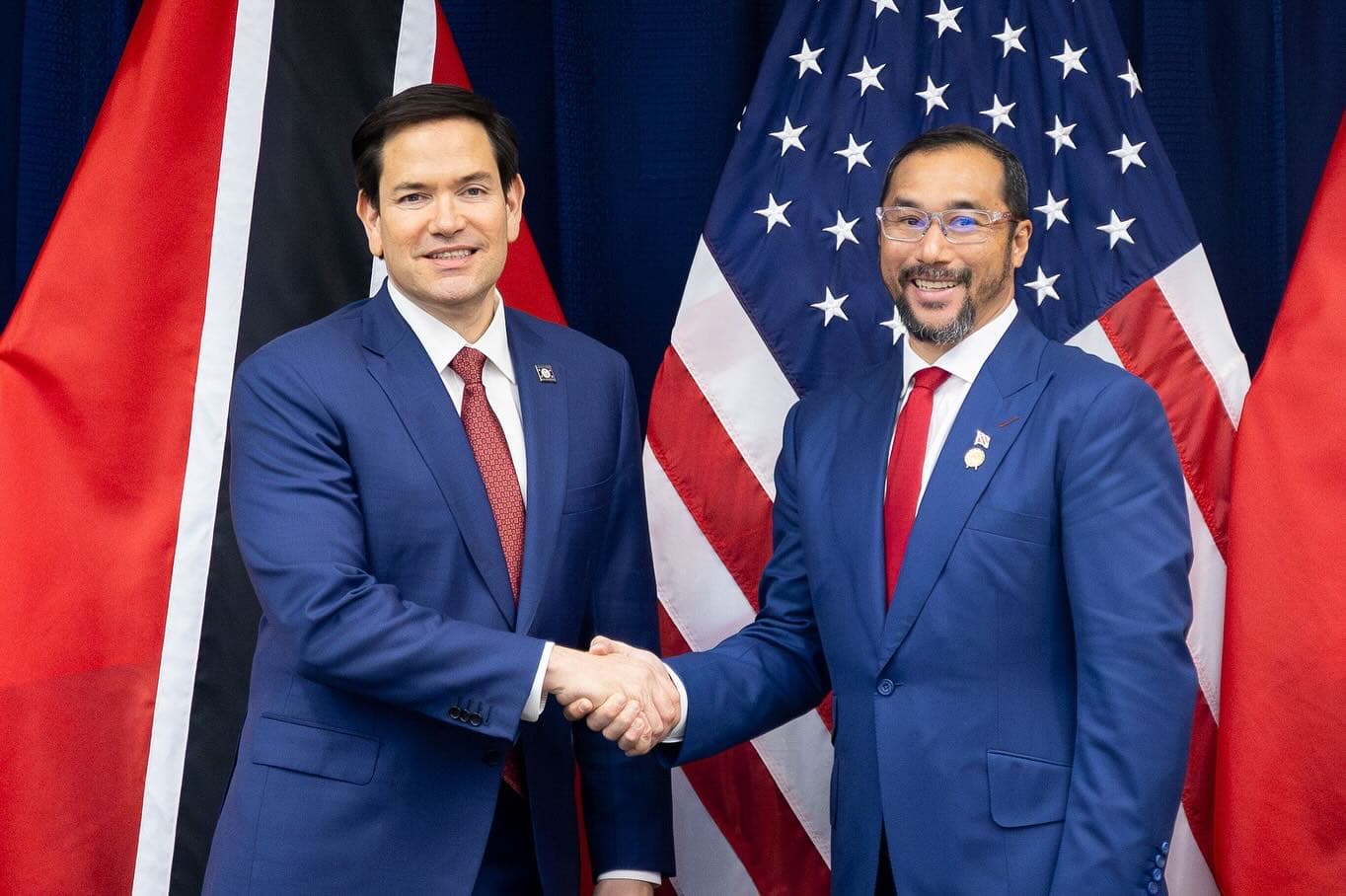
U.S. Secretary of State Marco Rubio has reaffirmed Washington’s commitment to a strong bilateral relationship with Trinidad and Tobago, following the United States’ recent decision to revoke a license allowing the Caribbean nation to develop the Dragon Gas Field in partnership with Venezuela. In a call with Prime Minister Stuart Young, Rubio stressed that the move was not intended to undermine Trinidad and Tobago’s energy ambitions or economic stability. According to State Department spokesperson Tammy Bruce, both leaders agreed to work closely on solutions that uphold U.S. sanctions on Venezuela without adversely affecting Trinidad and Tobago’s energy sector. "Secretary Rubio recognized that energy security is important to Trinidad and Tobago’s prosperity and economy. Any outcomes of sanctions upon the Maduro regime and Venezuela is in no way indicative of our relationship with Trinidad and Tobago and the value we place on it," a statement from Bruce said. “The Secretary recognized the strategic importance of Trinidad and Tobago’s energy initiatives, and Young’s effective leadership in this area. Both sides agreed that we are going to work very closely to find a solution that achieves U.S. objectives regarding Venezuela without harming Trinidad and Tobago," Bruce added. Rubio also welcomed Young’s “exploration of viable options” to meet the country’s energy needs while staying consistent with U.S. policy. The conversation follows confirmation by Prime Minister Young that the United States, through its Office of Foreign Assets Control (OFAC), had rescinded a previously granted licence that would have allowed the development of Venezuela’s Dragon Gas Field. Located just 15 kilometres off Trinidad’s north-west coast, the Dragon field was expected to significantly boost gas supplies not only for Trinidad but for energy-dependent CARICOM nations. At a press conference in Port of Spain, Young described the U.S. decision as “not unexpected,” adding that he had already sought a bilateral meeting with Secretary Rubio to address the matter. He also referenced Rubio’s March visit to Jamaica, where the Secretary had assured regional leaders that U.S. foreign policy would not target or disadvantage Trinidad and Tobago. “We are not going to harm Trinidad and Tobago,” Rubio reportedly told Young during that earlier engagement. Young characterized their recent discussion as “frank and detailed,” underscoring the Dragon project’s significance to the wider region’s energy security. He also reaffirmed his government’s commitment to responsible energy development and cooperation on regional security issues. While the future of the Dragon project remains uncertain, both sides appear committed to ongoing dialogue to reconcile U.S. geopolitical concerns with Trinidad and Tobago’s economic interests.