Report warns of high costs of hunger and malnutrition in Latin America and the Caribbean
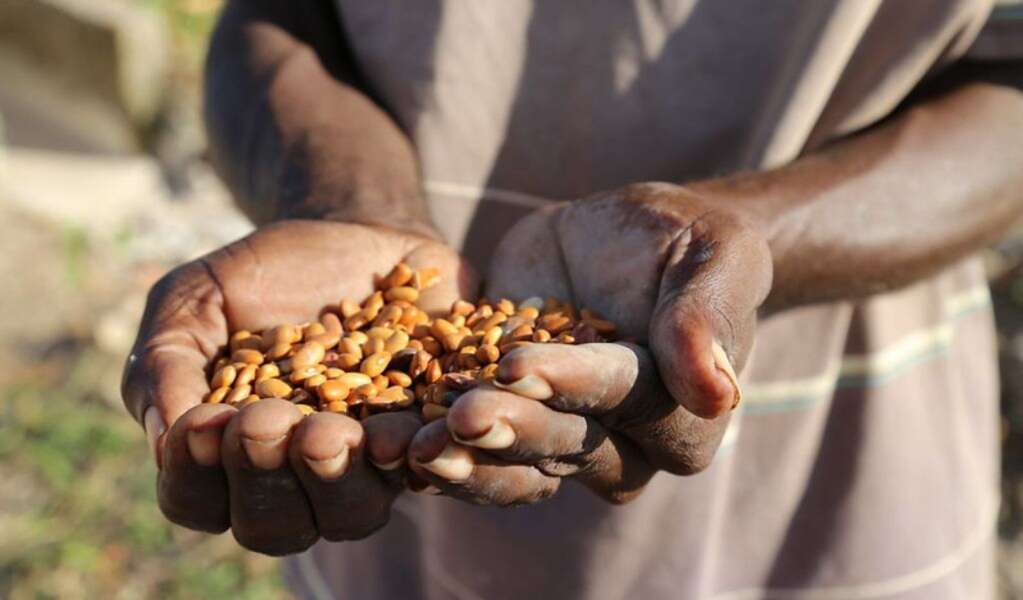
A recent report issued a stark warning: the price of ignoring hunger and malnutrition in Latin America and the Caribbean could far outweigh the costs of implementing solutions for food security and improved nutrition.
Collaborative research effort
The comprehensive report, titled “Financing Food Security and Nutrition in Latin America and the Caribbean,” emerged from a collaboration between several prominent organizations.
These include the Food and Agriculture Organization (FAO), the Economic Commission for Latin America and the Caribbean (ECLAC), the World Food Programme (WFP), and the Inter-American Institute for Cooperation on Agriculture (IICA).
The Cost of Inaction
According to the findings, the expense of inaction in the face of hunger and food insecurity averages 6.4 per cent of the gross domestic product (GDP) across the studied nations.
In contrast, actively addressing the income gap with strategies such as transfers for access to nutritious diets comprises a mere 1.5 per cent of GDP, excluding management and implementation expenses.
Diverse financing strategies
The report outlines various financing avenues for food security and nutrition in the region.
These include support for food consumption and production, public spending related to agriculture and social protection, international development flows, and financing from banking institutions and capital markets.
Root issues and solutions
A critical revelation from the report is that the primary challenge lies not in food scarcity but in inadequate physical and economic access, particularly in impoverished rural areas.
It underscores the necessity of investing in agriculture and implementing interventions to alleviate food insecurity and malnutrition.
Prioritizing comprehensive solutions
FAO Assistant Director-General and Regional Representative for Latin America and the Caribbean, Mario Lubetkin, stressed the significance of aligning social, economic, and trade policies with the objective of improving food security and nutrition.
Comprehensive interventions addressing income, access to nutritious food, consumer preferences, and regulatory measures are deemed vital for strengthening agri-food systems and ensuring equitable access to healthy diets.
Urgent need for inclusive policies
ECLAC Executive Secretary José Manuel Salazar-Xirinachs emphasized the urgent need for inclusive public policies, especially as extreme poverty affects over 70 million people in the region, particularly women, indigenous populations, and rural dwellers.
He stressed the importance of more targeted public spending to directly benefit vulnerable populations.
Addressing income disparity
WFP Regional Director for Latin America and the Caribbean, Lola Castro, highlighted the critical role of income in accessing healthy diets, citing it as a major factor driving hunger and food insecurity.
Despite the region’s ability to produce enough food for its population, the exorbitant cost of a nutritious diet remains a significant barrier for vulnerable communities.
Planning for action
Manuel Otero, Director General of IICA, emphasized the need for detailed country-level analyses within the framework of comprehensive plans for strengthening food systems.
This entails estimating costs and securing financing across various financial flows outlined in the report.
Through collaborative efforts and targeted interventions, stakeholders aim to mitigate the pervasive effects of hunger and malnutrition in Latin America and the Caribbean, ensuring a more equitable and nourished future for all.