PAHO launches birth defects data platform for Latin America and the Caribbean
Key Points(5)
- The Pan American Health Organization (<a href="https://www.paho.org/en/news/25-6-2025-paho-strengthens-birth-defect-surveillance-interactive-regional-repository">PAHO</a>) has launched a new interactive platform to track birth defects across Latin America and the Caribbean.
- The Birth Defects Repository in the Americas compiles real-time data from national surveillance systems to help improve maternal and child health outcomes in the region.
- Each year, about 15 million babies are born in the Americas, including 10 million in Latin America and the Caribbean.
- Birth defects — along with prematurity, sepsis, and asphyxia — are among the leading causes of death in newborns and a major contributor to childhood disability.
- “These conditions are often linked to genetic and environmental factors, nutritional deficiencies, exposure to toxins, or infections during pregnancy,” said Dr.
The Pan American Health Organization (PAHO) has launched a new interactive platform to track birth defects across Latin America and the Caribbean. The Birth Defects Repository in the Americas compiles real-time data from national surveillance systems to help improve maternal and child health outcomes in the region.
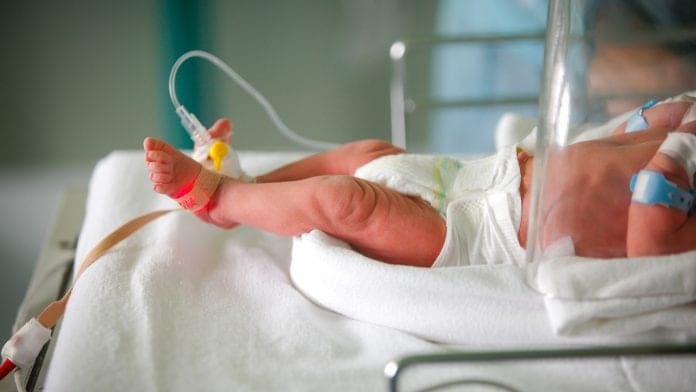
Each year, about 15 million babies are born in the Americas, including 10 million in Latin America and the Caribbean. Birth defects — along with prematurity, sepsis, and asphyxia — are among the leading causes of death in newborns and a major contributor to childhood disability.
“These conditions are often linked to genetic and environmental factors, nutritional deficiencies, exposure to toxins, or infections during pregnancy,” said Dr. James Fitzgerald, Director of PAHO’s Department of Health Systems and Services. “The Zika virus emergency in 2016 and recent evidence of mother-to-child transmission of the Oropouche virus have underscored the urgent need for timely and comparable data.”
The repository features interactive dashboards showing trends, geographic distribution, and demographic patterns of birth defects. While initial data comes from a few countries, PAHO expects coverage to grow as more nations contribute, with technical support provided by the organization.
Currently, 14 countries in the Americas have national surveillance programs for birth defects at various stages of development. During the virtual launch event, Argentina, Brazil, Costa Rica, and Cuba shared their experiences and challenges in tracking congenital conditions.
The platform was jointly developed by PAHO’s Departments of Health Systems and Services and Evidence and Intelligence for Action in Health. It also aims to promote health equity by identifying gaps in surveillance across the region.
PAHO is encouraging more countries to join the initiative to strengthen decision-making and ensure every child has a healthy start to life.