PAHO broadens surveillance for mosquito-borne viruses in the Americas
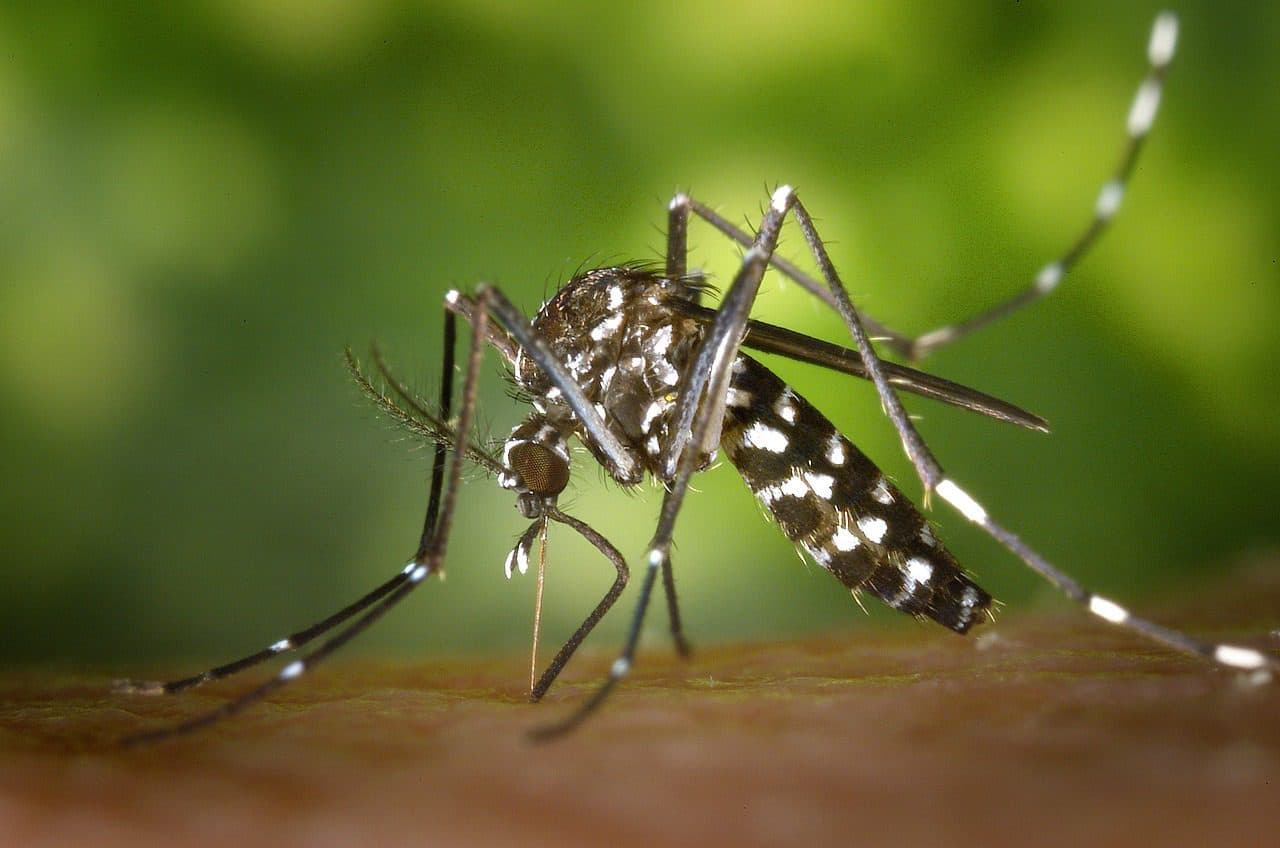
In Santo Domingo, Dominican Republic, laboratory specialists convened to deliberate on amplifying the deployment of tools for detecting and tracking mosquito-borne illnesses in the Americas. This initiative, steered by the Pan American Health Organization (PAHO), emerged at a time when parts of the region grapple with significant dengue outbreaks and heightened spread of chikungunya.
The role of RELDA
The Arbovirus Diagnosis Laboratory Network of the Americas (RELDA), for which PAHO serves as the technical secretariat, recently held its yearly conference. Members, which encompasses 35 national laboratories from throughout the region, technical advisors, and WHO collaborating centers, aimed to explore avenues to broaden genomic and entomovirological monitoring of major arboviruses.Arboviral threats in focus: Dengue, Zika, Chikungunya, and Yellow fever
Sylvain Aldighieri, Deputy Director of PAHO's Department of Health Emergencies, said that the current landscape reveals at least nine arboviruses, including dengue, zika, chikungunya, and yellow fever, active in Latin America and the Caribbean. Given this backdrop, Aldighieri notes that augmenting lab detection and surveillance capabilities have become pivotal to promptly address outbreaks and epidemics.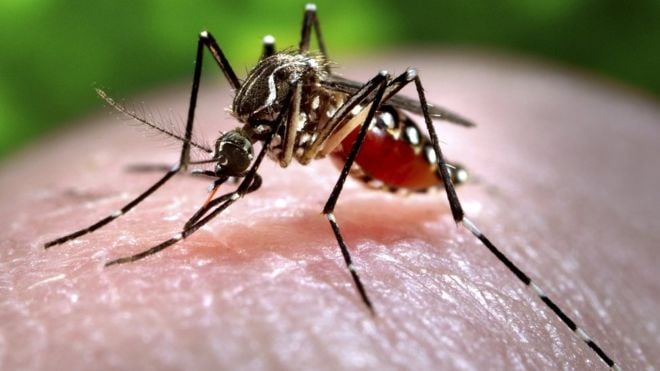
More on mosquito-borne viruses in the Caribbean
- Dengue claims lives of school children in Guyana
- CARPHA warns region to continue being vigilant against Zika, Dengue and Chikungunya