Jamaica's energy minister criticises JPS licence after approved electricity rate hike
By Sheri-kae McLeod··3 min read
Key Points(5)
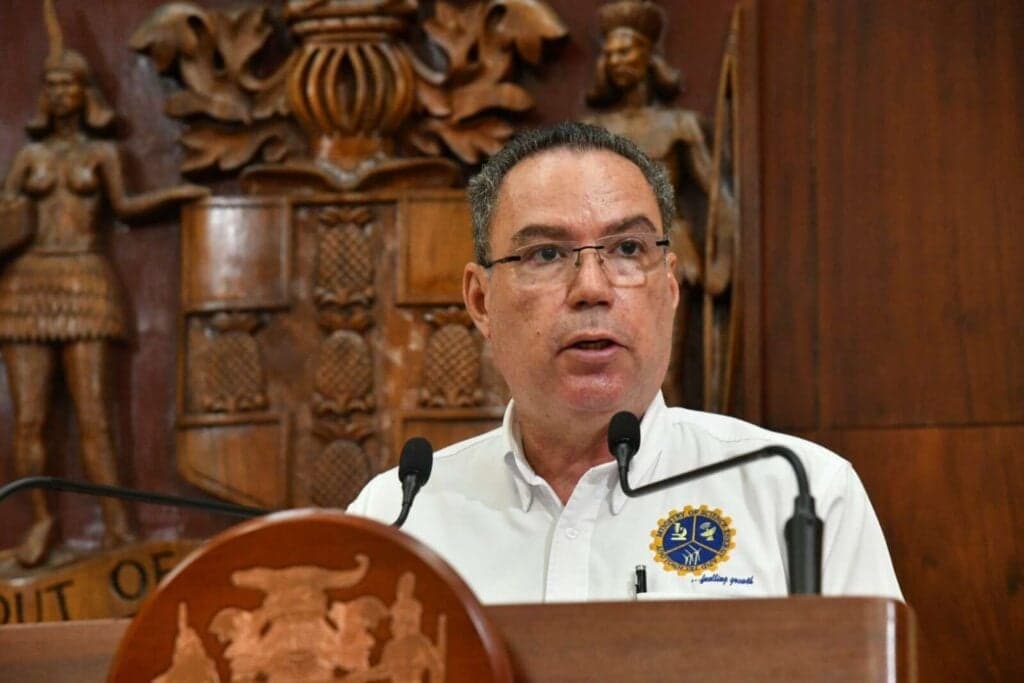
“The Government of Jamaica has taken note of the seven per cent increase in JPS bills for electricity consumption in November,” Vaz said at a press conference outlining JPS’s accelerated restoration efforts.
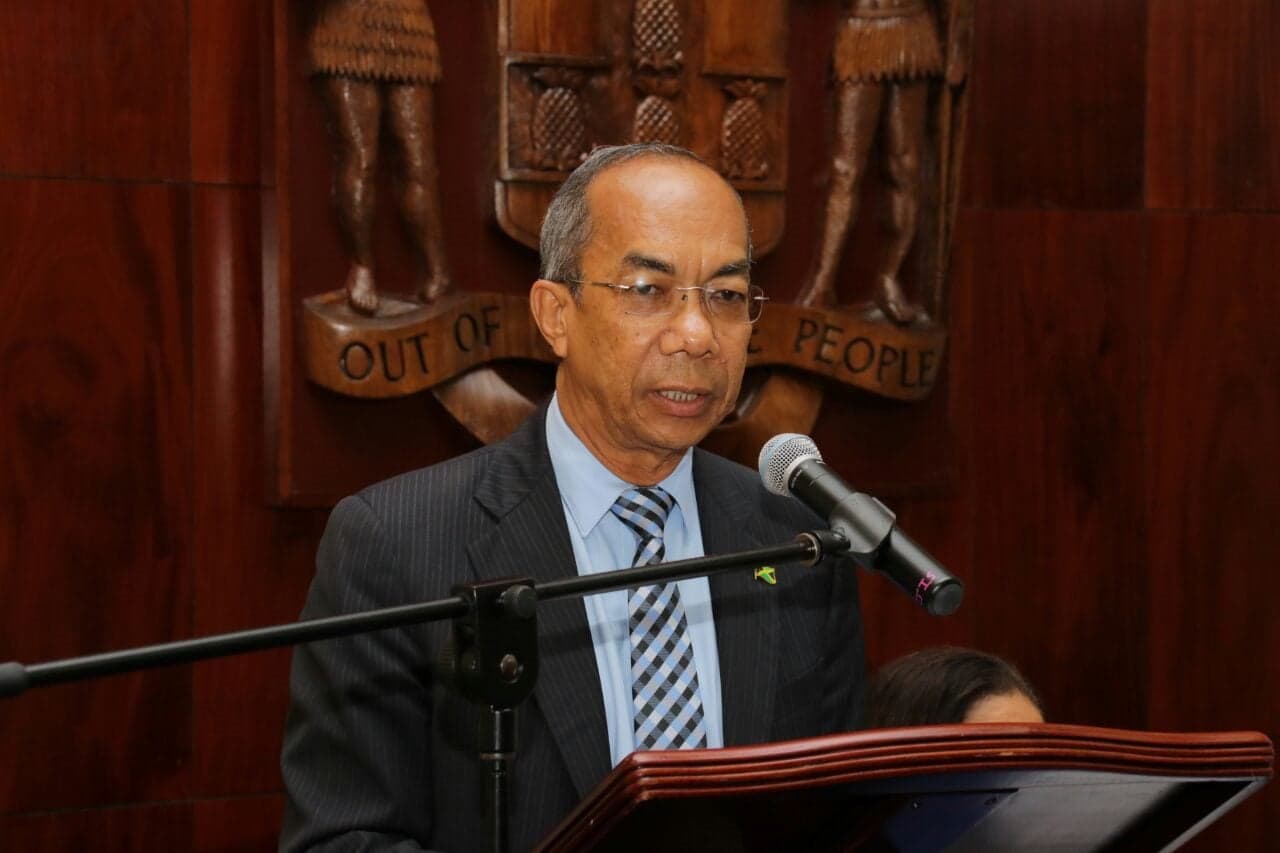
“For this reason, as energy minister, I could not entertain the extension of the existing licence and the existing terms for another 15 years,” Vaz said, adding that the current framework limits even the regulator’s ability to intervene effectively.
He noted that while the seven per cent increase has drawn concern, it is significantly lower than post-disaster adjustments approved after Hurricane Beryl in July 2024, when increases reached as high as 16 per cent.
Beryl caused widespread damage, particularly in St Elizabeth, Manchester, Clarendon and Westmoreland.
Vaz also pointed out that electricity rate increases are not unprecedented, noting that an 11 per cent hike was approved as recently as May under normal, disaster-free conditions.
Jamaica's Energy Minister Daryl Vaz says the Office of Utilities Regulation’s approval of an electricity rate increase after Hurricane Melissa has underscored fundamental weaknesses in the Jamaica Public Service Company’s operating licence, arguing that the current framework does not adequately protect consumers—particularly in the aftermath of natural disasters.
JPS customers will face a seven per cent increase in their December electricity bills, reflecting November consumption, after Hurricane Melissa disrupted fuel supplies and electricity sales, the utility and regulator confirmed this week.
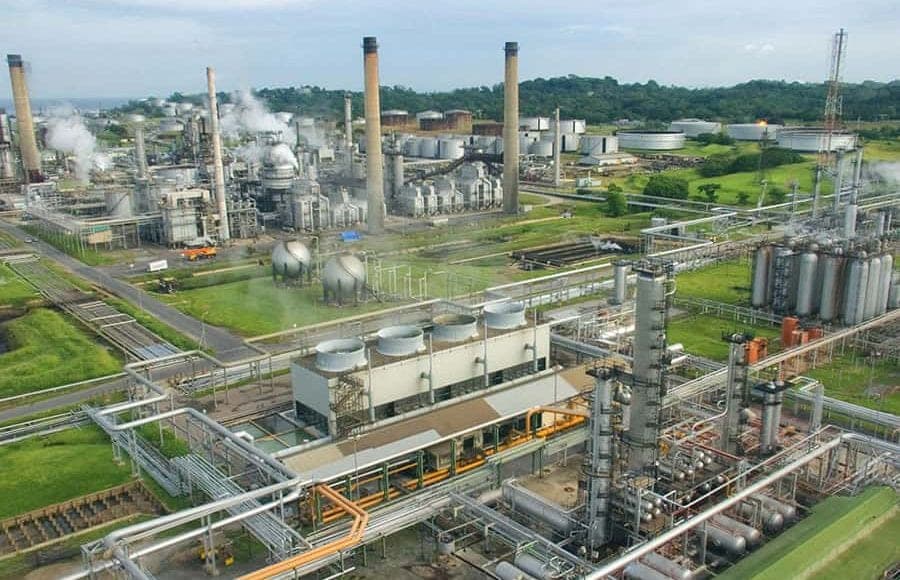
The increase was approved by the OUR and stems from higher generation costs after the Category 5 storm damaged infrastructure and interrupted the natural gas supply, forcing JPS to rely on more expensive fuel. The hurricane also slashed electricity sales by about 30 per cent, further driving up Fuel and Independent Power Producer (IPP) charges.
For an average residential customer using 165 kilowatt-hours (kWh) per month, the adjustment adds roughly $655 to a bill that previously stood at about $9,000.
To cushion the immediate impact, the OUR approved a cost-recovery plan that allows JPS to defer a portion of the increased costs and recoup them gradually over several months.
On Tuesday, Vaz sought to calm public concern following the announcement, explaining that the increase reflects extraordinary post-hurricane conditions rather than routine rate changes.
“The Government of Jamaica has taken note of the seven per cent increase in JPS bills for electricity consumption in November,” Vaz said at a press conference outlining JPS’s accelerated restoration efforts. “Given the scale of the impact of the disaster, it may take up to six months for electricity generation costs to stabilise and for energy consumption patterns to return to normal.”
Vaz emphasised that the OUR and JPS are working together to spread the recovery of costs over time to ease pressure on households and businesses. He added that the regulator has urged JPS to engage closely before applying any additional charges during the recovery period to ensure the process remains “gradual, transparent, and manageable.”
But the minister used the rate hike to renew his criticism of JPS’s existing operating licence, arguing that it no longer protects consumers in an era of increasingly frequent and severe storms.
“For this reason, as energy minister, I could not entertain the extension of the existing licence and the existing terms for another 15 years,” Vaz said, adding that the current framework limits even the regulator’s ability to intervene effectively.
He noted that while the seven per cent increase has drawn concern, it is significantly lower than post-disaster adjustments approved after Hurricane Beryl in July 2024, when increases reached as high as 16 per cent. Beryl caused widespread damage, particularly in St Elizabeth, Manchester, Clarendon and Westmoreland.
Vaz also pointed out that electricity rate increases are not unprecedented, noting that an 11 per cent hike was approved as recently as May under normal, disaster-free conditions.
“There was no hurricane and no catastrophic damage, but an 11 per cent increase was approved based on fuel prices and other variables,” he said. “Transparency and accountability are for good news and for bad news.”
Reiterating the call for a new licence framework, Vaz cited a sharp rise in hurricane activity, noting that Jamaica experienced 11 storms between 2015 and 2025, compared with just five in the previous decade — a 120 per cent increase.
“It is not rocket science to see that the Jamaica we lived in when the existing licence was signed is not the Jamaica we live in today,” he said. “A new licence reflecting today’s climate realities must be put forward — one that protects citizens each time a hurricane passes.”
Meanwhile, power restoration remains uneven across the island, particularly in the west. Six weeks after Hurricane Melissa struck on October 28, about 88 per cent of JPS customers in Westmoreland remain without electricity, according to Vaz. In St Elizabeth, roughly 50 per cent of customers are still awaiting service.
Outage levels also remain high in St James (45 per cent), Trelawny (39 per cent) and Hanover (36 per cent). By contrast, Kingston, St Andrew, St Catherine, Portland and St Thomas are essentially fully restored, with outages near zero. Vaz said the disparity reflects the severity of damage in western parishes rather than a lack of restoration effort.
Advertisement
Advertisement
Advertisement
Advertisement
Advertisement
Advertisement
Advertisement
Stay Informed with CNW
Get the latest Caribbean news delivered to your inbox. Free.