Jamaican government vows to pursue reparations for chattel slavery
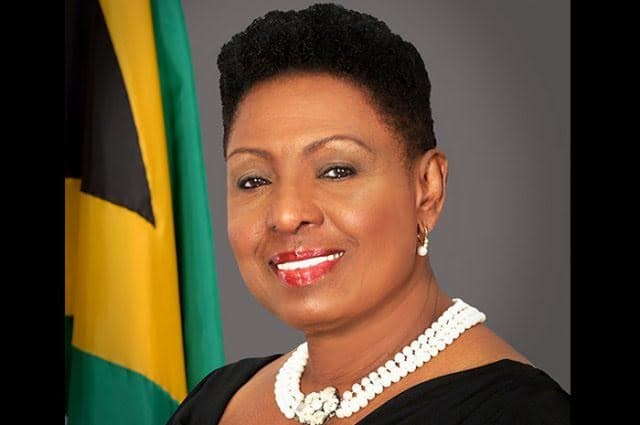
Minister of Culture, Gender, Entertainment, and Sport, Hon. Olivia Grange, reaffirmed the Jamaican Government’s unwavering dedication to seeking reparations for the enduring legacy of chattel enslavement suffered by African ancestors on the island’s plantations.
Impact of the transatlantic slave trade
Addressing attendees at the Webster Memorial United Church in St. Andrew during a Sunday service on April 14, Minister Grange underscored the profound and lasting repercussions of the transatlantic slave trade on Black communities.
She emphasized that contemporary challenges, including the struggle to finance education and healthcare, combat poverty and housing inequalities, tackle economic instability, and address the impacts of climate change, are all deeply rooted in the historical trauma of enslavement.
Historic apology and calls for action
The church service also marked a pivotal moment of acknowledgment and reconciliation, as the Moderator of the Assembly of the United Reform Church (URC), Reverend Tessa Henry-Robinson, issued a formal apology for the church’s historical complicity in slavery.
Expressing remorse for the scars that continue to afflict society and the lives of Black individuals, the apology acknowledged the church’s role in perpetuating the transatlantic slave trade.
Ministerial response and advocacy
In response to the apology, Minister Grange called upon UK churches, especially those represented during the solemn occasion in Jamaica, to advocate for their government’s acknowledgment of culpability through formal apologies and collaborative efforts with Jamaica to explore avenues for reparations.
She highlighted the enduring impact of the church’s complicity in slavery, stressing its contribution to systemic racism, white supremacy, and discrimination that persist to this day.
Charting a path forward
Minister Grange reflected on the paradox of enslaved peoples embracing the religions of their oppressors, noting the resilience of African spirituality within these faiths.
She urged for a collective reckoning with history, emphasizing the need to confront the violence and dehumanization of the past in order to build truly peaceful and equitable societies.