Jamaican farmers advised to implement strategies against animal heat stress
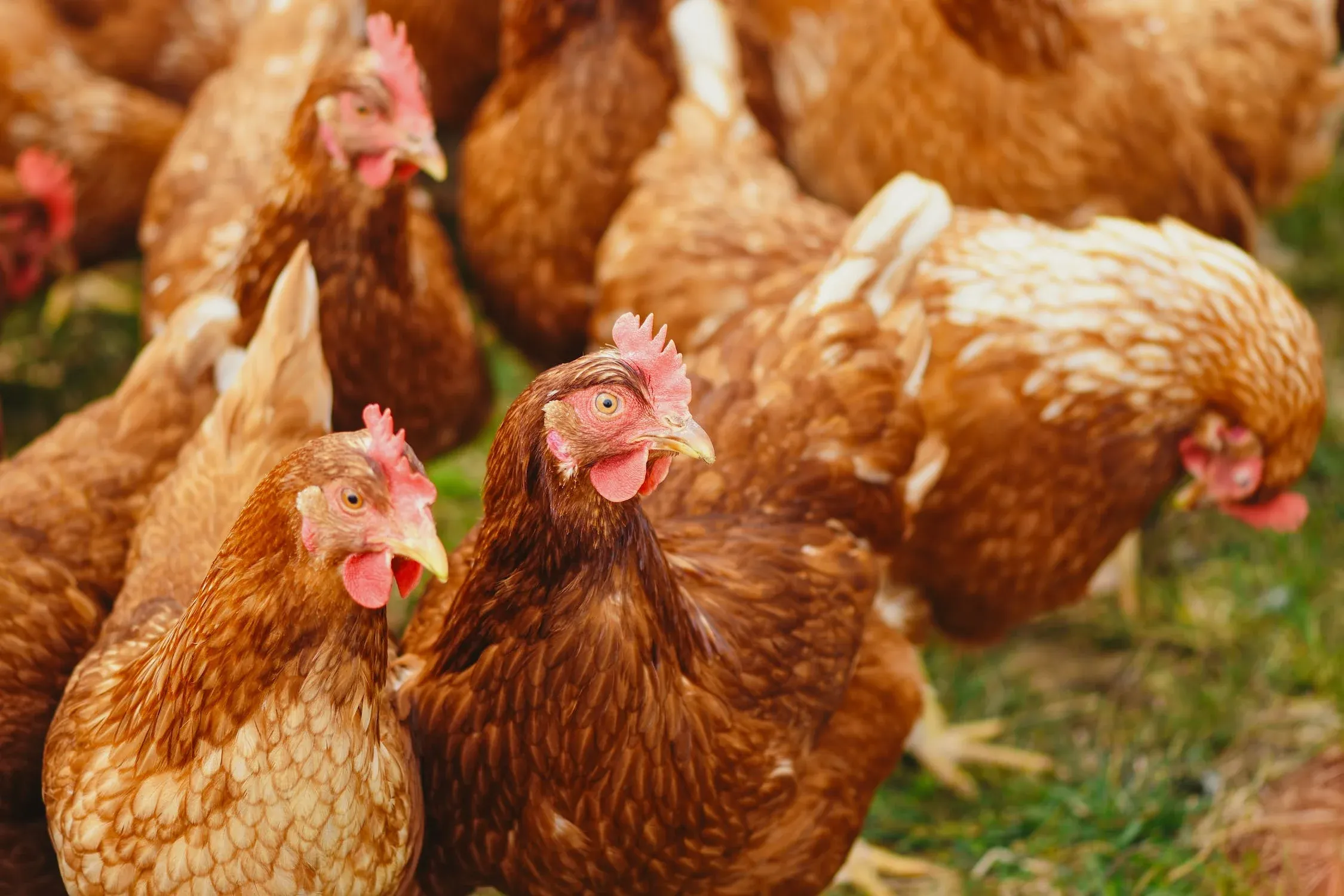
Jamaica’s Rural Agricultural Development Authority (RADA) is emphasizing the importance of proactive measures for livestock owners to combat heat stress among their animals.
As temperatures soar with the progression of summer, ensuring the well-being of livestock becomes critical.
Understanding heat stress in animals
Heat stress in animals occurs when the heat they generate and absorb surpasses what they can dispel through natural cooling mechanisms such as respiration, sweating, and air circulation.
This condition can severely impact animal health and productivity, affecting their eating, reproduction, and growth rates.
Strategies for managing heat stress
RADA's Senior Livestock Specialist, Maxine Brown, advises livestock owners on the importance of maintaining a herd resilient to temperature fluctuations.
Owners are encouraged to observe their livestock closely and make necessary adjustments to their farming practices.
This might include enhancing farm shade, increasing water availability, and even culling animals that are particularly susceptible to heat stress to maintain a robust herd.
Continuous monitoring for optimal livestock health
Effective management of heat stress involves diligent monitoring of both environmental and animal temperatures.
This ongoing vigilance is essential for preventing the negative impacts of stress on livestock, which can parallel stress effects in humans, leading to decreased productivity.
Support available for farmers
For farmers seeking guidance on how to better assess and manage their animal’s health, local RADA offices in each parish stand ready to assist.
These resources offer valuable support in ensuring that livestock can thrive even under challenging temperature conditions.