Jamaica to enforce plastic lunch box ban effective June 1

The Jamaican government is set to impose a ban on the usage of plastic lunch boxes starting from June 1.
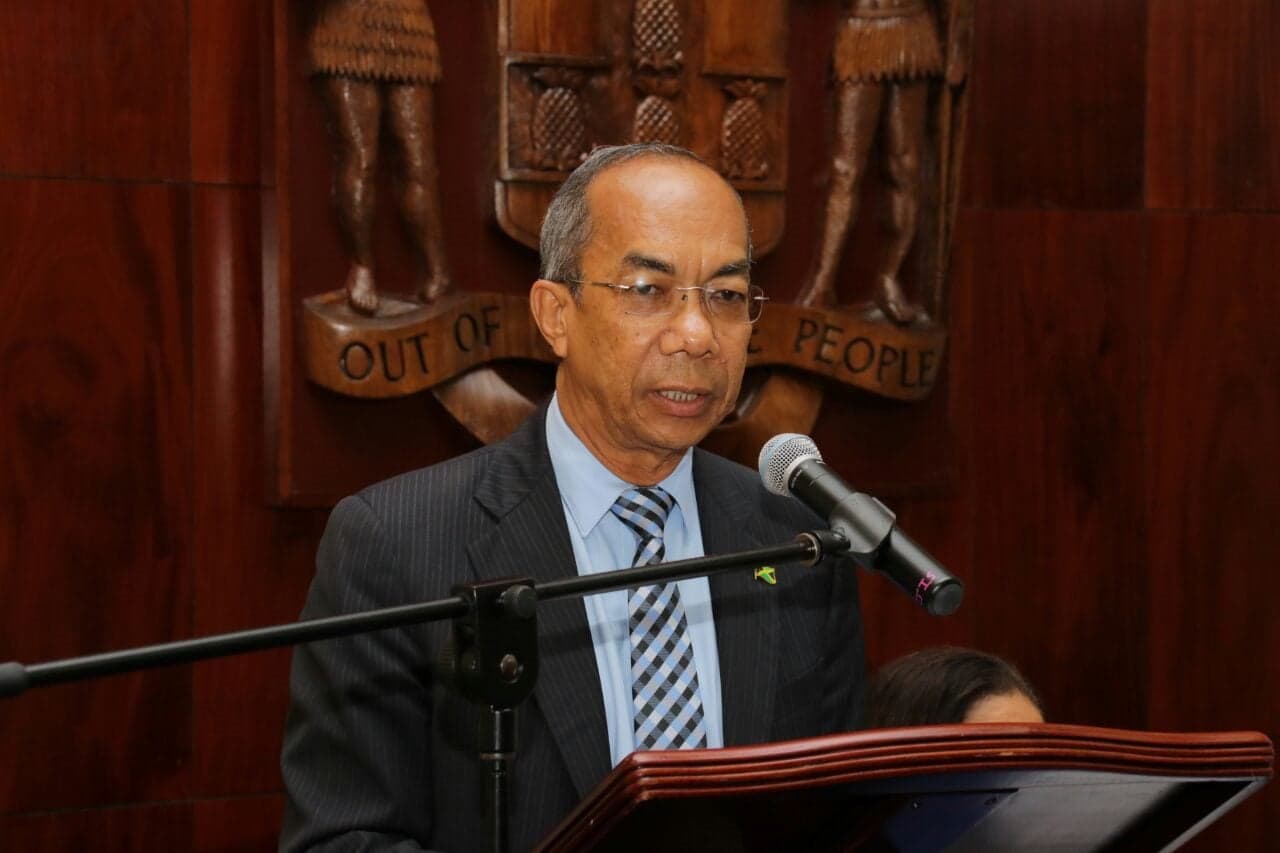
According to Mathew Samuda, Minister with responsibility for the Environment, this proactive measure is part of the country’s ongoing efforts to curb plastic pollution.
This was announced during his contribution to the state of the nation debate in the Upper House on Friday.
It follows the government’s previous declaration that the ban would take effect on December 31 of last year.
Coinciding with the ban on plastic lunch boxes, June 1 marks the target date for the prohibition of personal care products containing plastic microbeads.
Strategic implementation and public education
Explaining the six-month lead time to implement these bans, Senator Samuda emphasized the importance of public awareness and education.
He shared that a public education program will be rolled out during this interim period, aimed at sensitizing the nation to the changes.
Progress in plastic bottle collection
Senator Samuda also revealed statistics regarding plastic bottle collection in Jamaica.
The country currently collects more than 30 per cent of the plastic bottles produced each month, marking a substantial improvement compared to just eight per cent collected three years ago.
Aiming for 70 per cent plastic recycling
In his address, Senator Samuda outlined the government’s target of collaborating with stakeholders to devise legislation aimed at achieving the collection and recycling of at least 70 per cent of all plastic produced monthly.
Jamaica widens ban on plastic
It was reported last year that microbeads and plastic lunch boxes will be targeted under impending changes to the ban on single-use plastic.
According to Samuda, the principal intent of the ban is to prevent non-recyclable, non-biodegradable carcinogenic waste from entering the nation’s garbage.
The government has already imposed a ban on the importation, manufacture, and distribution of single-use plastic bags, straws, and polystyrene, which took effect on January 1, 2019, a move Samuda said has been bearing fruit.