Jamaica exploring ways to benefit from sargassum
Key Points(5)
- Cadmium is a natural element that is contained in small amounts in air, water, soil, and food and is also used in many industries.
- “We will have to do some further research to see how we can process [the sargassum] into value-added things like fertilizer, while at the same time being able to successfully eliminate or remove the impediment.
- That is something we are actively working on as we speak,” Palmer said.
- Principal director of the <a href="https://www.moa.gov.jm/content/national-fisheries-authority">Marine Branch, National Fisheries Authority</a>, Stephen Smikle, explained that sargassum is a naturally occurring aquatic plant that is found in the Atlantic Ocean.
- “Why we’re seeing so much of it now is perhaps as a direct consequence of climate change.
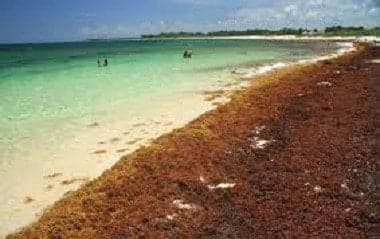
Jamaica is exploring measures to mitigate the effects of the brown seaweed known as sargassum, which is also a source of discomfort for fishers and swimmers who use some of the affected beaches.
“We have a project that we are looking at right now to see how we can put this resource to use,” said chief technical director in the Ministry of Agriculture and Fisheries, Orville Palmer, adding that, so far, high levels of cadmium have been found in the sargassum.
Cadmium is a natural element that is contained in small amounts in air, water, soil, and food and is also used in many industries.
“We will have to do some further research to see how we can process into value-added things like fertilizer, while at the same time being able to successfully eliminate or remove the impediment. That is something we are actively working on as we speak,” Palmer said.
Principal director of the Marine Branch, National Fisheries Authority, Stephen Smikle, explained that sargassum is a naturally occurring aquatic plant that is found in the Atlantic Ocean.
“Why we’re seeing so much of it now is perhaps as a direct consequence of climate change. The water temperature is getting warmer and with that we’re finding sargassum increasing in numbers and washing into the Caribbean…. It’s not just Jamaica that’s affected; it’s all the Caribbean islands,” he said.
He said the project is a regional one and that, “we’re looking to see if we can harvest the sargassum and use it in some kind of economic way for drugs in the pharmaceutical industry.”
In June, the National Environment and Planning Agency placed Jamaica on alert for the increase in sargassum along several beaches across the island. The parishes of Portland, St. Thomas, St. Catherine, and Westmoreland are heavily impacted.
The authorities say while sargassum plays a role in beach nourishment and is a crucial element in shoreline stability, excessive amounts of the open ocean algae may result in beach erosion and disruption in the visual landscape.
CMC/