Guyana retains power to reject migrants under US agreement, President Ali says
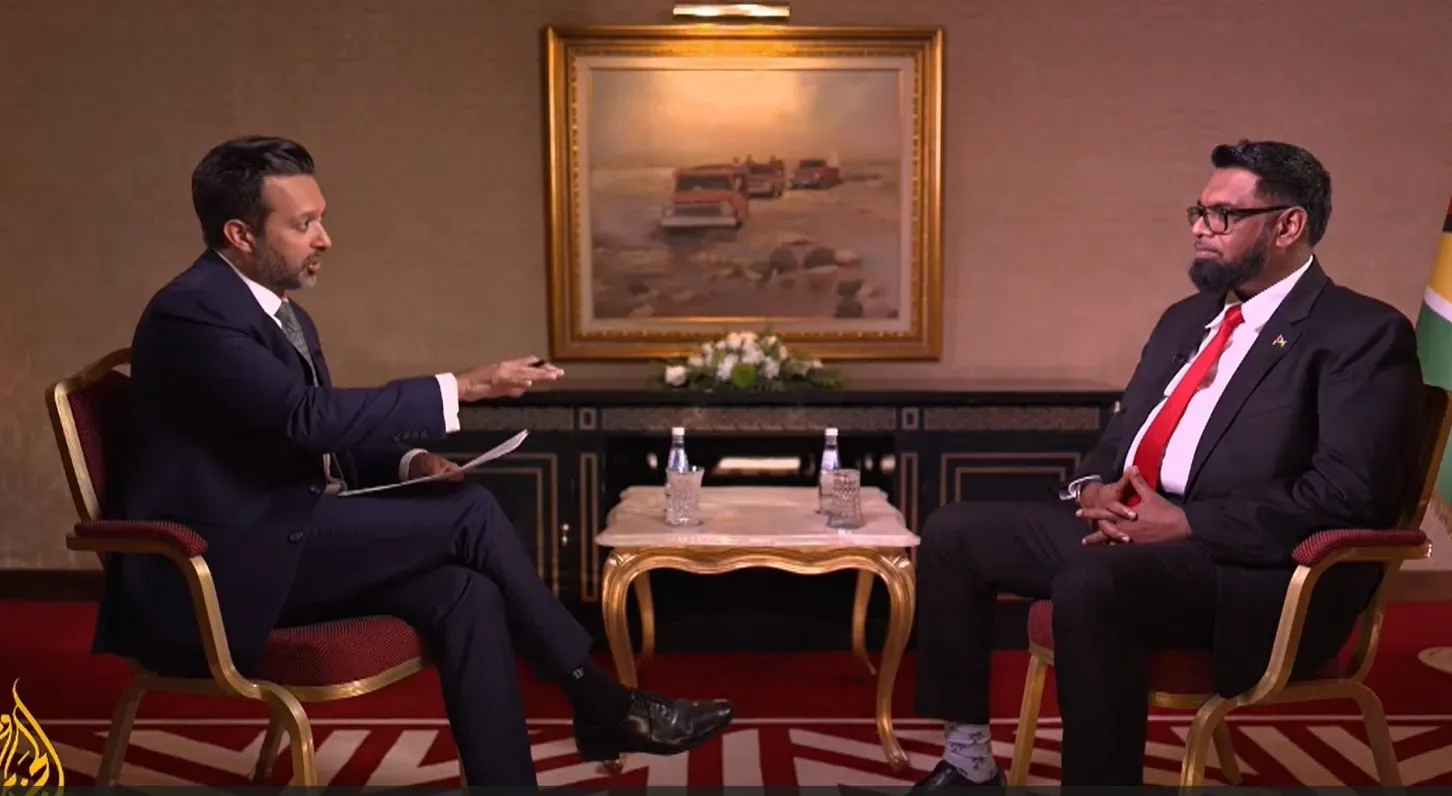
President Dr Mohamed Irfaan Ali addressed the arrangement in a wide-ranging interview with Al Jazeera
Key Points(5)
- Guyana retains the authority to reject any migrant proposed for relocation under a new migration cooperation agreement with the United States, President Irfaan Ali has said, insisting that the arrangement does not compromise the country's sovereignty.
- Guyana recently finalized the one-year migration cooperation framework with the United States, with the first group arriving in the country on Sept.
- 4 through the International Organization for Migration's Assisted Voluntary Return Program.
- Speaking during an interview with Al Jazeera, Ali said Guyanese authorities conduct their own vetting and have final approval over who is allowed to enter the country under the agreement.
- We can say that we are not accepting this.
Guyana retains the authority to reject any migrant proposed for relocation under a new migration cooperation agreement with the United States, President Irfaan Ali has said, insisting that the arrangement does not compromise the country's sovereignty.
Guyana recently finalized the one-year migration cooperation framework with the United States, with the first group arriving in the country on Sept. 4 through the International Organization for Migration's Assisted Voluntary Return Program.
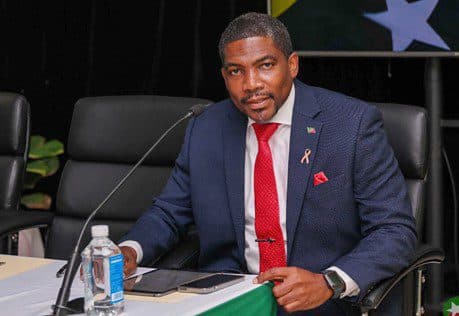
Speaking during an interview with Al Jazeera, Ali said Guyanese authorities conduct their own vetting and have final approval over who is allowed to enter the country under the agreement.
“We can reject. We can say that we are not accepting this. That has not been taken away. The agreement is one in which Guyana has full control over what we accept,” Ali said.
All members of the first group were vetted by Guyanese authorities and determined to have no criminal records before they were accepted.
“We do our vetting to our own satisfaction, and then we agree with the names,” Ali said. “This is not a situation where the US turns up with a plane and just show[s] people off on our shores.”
Under the framework, the U.S. government bears the full financial cost of relocating the migrants, while the IOM manages and funds their reception, housing, access to health care and other support services during their stay.
The Guyanese government has stressed that the arrangement is not a permanent resettlement program.
Those accepted under the framework are expected to remain in Guyana while their immigration status is determined. They could subsequently return to their countries of origin or relocate elsewhere.
Foreign Secretary Robert Persaud has said the agreement followed months of negotiations between Georgetown and Washington.
U.S. Ambassador to Guyana Nicole Theriot previously said Washington was “grateful to Guyana for agreeing to assist us in resolving our migration issues.”
Ali also defended Guyana's broader treatment of migrants and its human rights record during the interview.
“We have exceptionally good human rights credentials,” he said, pointing to the country's record on Indigenous land titling and government funding for Amerindian communities.
The president said migrants already living in Guyana, including people from neighboring Venezuela and Cuba, have access to social services.
“We also have a lot of migrants coming into Guyana…from Venezuela, Cuba, wherever,” Ali said. “We treat them; they get all the social services, they get all [support] without exception.”