One year after Melissa, Jamaica still struggles to rebuild
Key Points(5)
- On October 28, 2025, Melissa made landfall near New Hope, Westmoreland, with maximum sustained winds of 185 miles per hour, becoming the strongest hurricane on record to strike Jamaica.
- The storm left 45 confirmed deaths, according to the Office of Disaster Preparedness and Emergency Management (ODPEM), and caused damage and economic losses estimated at US$12.2 billion, equivalent to approximately 56.7 per cent of Jamaica’s gross domestic product.
- Twelve months later, although electricity and water services have largely been restored and recovery programmes are underway, rebuilding remains unfinished, particularly in western Jamaica, where agriculture, education, housing and small businesses suffered extensive damage.
- For many residents, the anniversary is a reminder that the restoration of essential services has not necessarily translated into a return to normal life.
- Agriculture was among the sectors hardest hit by Melissa, with more than 70,000 farmers affected and approximately 41,390 hectares of farmland impacted, according to the Ministry of Agriculture, Fisheries and Mining’s preliminary assessment.
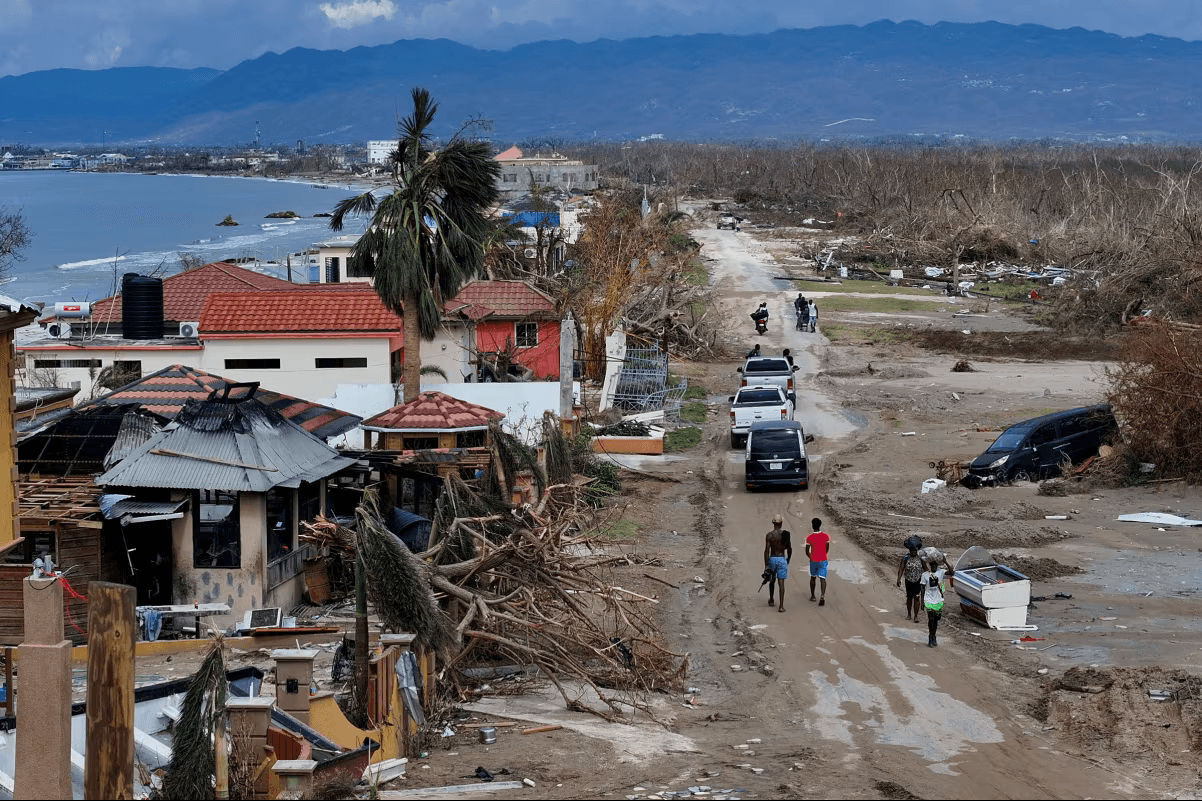
One year after Hurricane Melissa slammed into Jamaica as a catastrophic Category 5 storm, the island continues to grapple with the enormous human and economic cost of a disaster that devastated communities, crippled essential services and left thousands of families struggling to rebuild their lives.
On October 28, 2025, Melissa made landfall near New Hope, Westmoreland, with maximum sustained winds of 185 miles per hour, becoming the strongest hurricane on record to strike Jamaica. The storm left 45 confirmed deaths, according to the Office of Disaster Preparedness and Emergency Management (ODPEM), and caused damage and economic losses estimated at US$12.2 billion, equivalent to approximately 56.7 per cent of Jamaica’s gross domestic product.
Twelve months later, although electricity and water services have largely been restored and recovery programmes are underway, rebuilding remains unfinished, particularly in western Jamaica, where agriculture, education, housing and small businesses suffered extensive damage.
For many residents, the anniversary is a reminder that the restoration of essential services has not necessarily translated into a return to normal life.
Agriculture was among the sectors hardest hit by Melissa, with more than 70,000 farmers affected and approximately 41,390 hectares of farmland impacted, according to the Ministry of Agriculture, Fisheries and Mining’s preliminary assessment.
The education sector has faced similar challenges. A United Nations post-disaster assessment estimated that approximately 450,000 students experienced disruptions to their education following Melissa, with schools in St. Elizabeth, Westmoreland, Hanover, St. James and Trelawny among those significantly affected.
Damage to classrooms, roofs, electrical systems and equipment forced schools to adjust their operations, while students and teachers navigated interruptions to normal learning.
By September 2026, the Ministry of Education reported that 688 schools had sustained damage, including 313 that were severely affected. Approximately J$26 billion was being spent on repairs and reconstruction, with contractor shortages contributing to delays.
Essential services were also severely affected. Approximately 542,000 Jamaica Public Service customers lost electricity following the hurricane, as fallen trees, damaged poles and destroyed power lines complicated restoration efforts.
Although electricity was progressively restored, some communities endured prolonged outages, with electricity and water supplies returning to certain areas as late as April 2026.
The outages disrupted businesses, household routines, health care and education, while creating additional difficulties for farmers and other producers dependent on electricity to maintain their operations.
Housing remains a major concern
Perhaps the most persistent challenge is the plight of families who lost their homes or suffered extensive structural damage.
Thousands were displaced following Melissa, with some forced to seek shelter with relatives or occupy partially repaired homes while awaiting assistance. A year later, housing insecurity remains a significant obstacle to recovery.
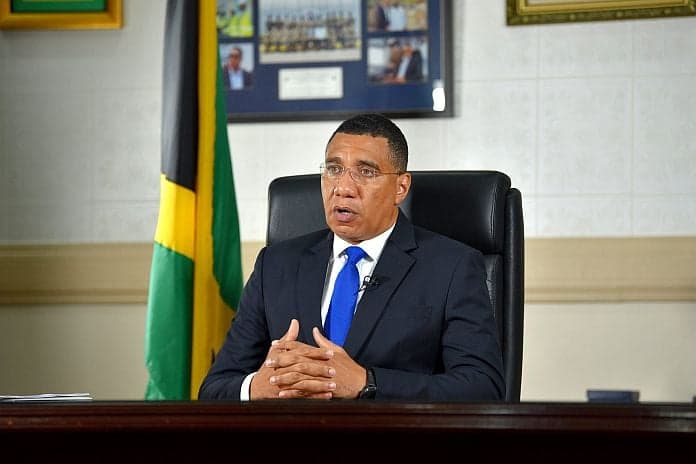
On October 28, 2026, the Government announced an additional J$9.65 billion for the Restoration of Owner and Occupant Family Shelter (ROOFS) programme. Prime Minister Andrew Holness said more than 118,000 households had been assessed as needing assistance, with roughly half having received support.
The Government has set a target of reaching 90 per cent of assessed households by December, with the aim of concluding the recovery phase by the end of January 2027.
While the additional funding is expected to support reconstruction, families continue to face the costs of building materials, labour and other expenses associated with restoring damaged homes. For those whose houses were severely affected, assistance may be only one step towards securing permanent accommodation.
A costly and uneven recovery
The Government has reported approximately J$85 billion committed to or spent on hurricane relief and recovery, including assistance for affected households and infrastructure rehabilitation.
Despite the scale of the intervention, recovery has been uneven. Some businesses have reopened and agricultural production has resumed in affected areas, but many households and producers remain financially vulnerable.
The challenge is compounded by the wider economic consequences of the disaster, including lost production, damaged infrastructure and the substantial public expenditure required for reconstruction.
Melissa has also highlighted the importance of strengthening Jamaica’s resilience to future hurricanes. Reconstructed schools, homes, electricity networks and agricultural systems must be better equipped to withstand severe weather rather than simply reproduce the vulnerabilities that existed before the storm.
One year after Melissa, Jamaica can point to progress in restoring services and rebuilding damaged facilities. But for families still without secure homes, farmers struggling to recover their investments and students making up for lost learning, the work is far from complete.