Up to 3.1 million Haitian adults lack valid national ID cards
Key Points(5)
- An estimated 2.7 million to 3.1 million Haitian adults, or about one-third of the adult population, still need valid national identification cards, limiting their access to essential services, formal employment and economic opportunities, according to a new World Bank Group report.
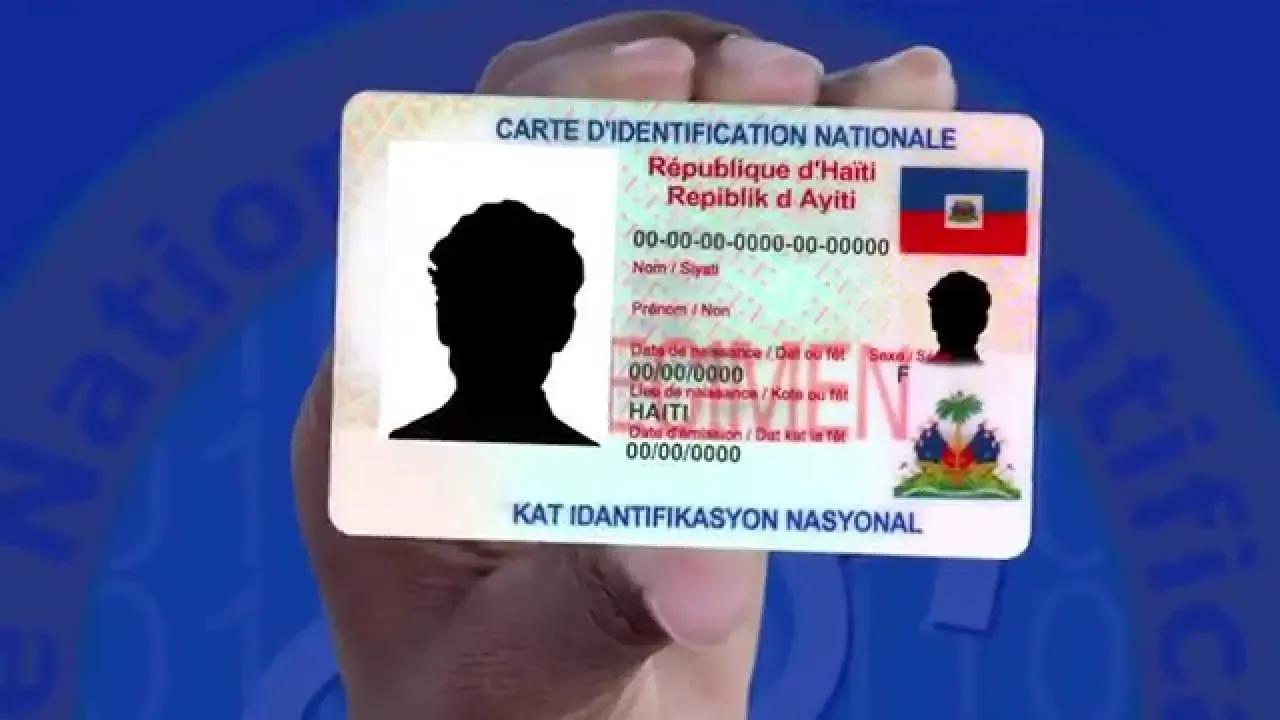
- The report, Diagnostic of ID Ecosystems: Haiti , says expanding access to the Unique National Identification Card could help more Haitians obtain social assistance, open bank and mobile money accounts, enroll children in school and participate in civic life.
- Haiti has made progress in expanding legal identity coverage.
- About 67% of adults have been issued national identification cards, while 85% of children under age 5 have had their births registered and 77% hold birth certificates.
- The report credits reforms, including a 2020 decree introducing biometric, chip-enabled identification cards, efforts to decentralize card printing and the expansion of service points, with helping establish a foundation for further improvements.
An estimated 2.7 million to 3.1 million Haitian adults, or about one-third of the adult population, still need valid national identification cards, limiting their access to essential services, formal employment and economic opportunities, according to a new World Bank Group report.
The report, Diagnostic of ID Ecosystems: Haiti, says expanding access to the Unique National Identification Card could help more Haitians obtain social assistance, open bank and mobile money accounts, enroll children in school and participate in civic life.
Haiti has made progress in expanding legal identity coverage. About 67% of adults have been issued national identification cards, while 85% of children under age 5 have had their births registered and 77% hold birth certificates.
The report credits reforms, including a 2020 decree introducing biometric, chip-enabled identification cards, efforts to decentralize card printing and the expansion of service points, with helping establish a foundation for further improvements.
However, the World Bank said broader coverage will require predictable financing, clearer institutional responsibilities and a coordinated national strategy.
It identified poorer households, residents of remote or insecure areas, women who face cultural barriers to registering births, deportees and people displaced by insecurity as groups requiring targeted support.
“Without valid ID or civil registration, people struggle to enroll in school, receive social assistance, open bank or mobile money accounts, find formal employment, and take part in civic and political life,” said Alexandre Amard, a World Bank Group digital specialist and co-author of the report.
The report also warned that gaps in identification systems can undermine the efficiency of social protection programs and exclude low-income households from the digital economy. Weak links between civil registration, identification and statistics databases also make it harder to produce reliable population estimates for policymaking.
Although identification cards are officially free, the World Bank said informal fees and indirect expenses, including transportation, repeat visits and lost income, can prevent people from completing the enrollment process.
Recommended measures include bringing services closer to rural and insecure communities, simplifying late birth registration, supporting single mothers registering births, reducing waiting times and ensuring enrollment centers have adequate supplies.
The report also calls for long-term financing, mass enrollment campaigns and a stronger legal framework, including data protection and cybersecurity laws.
“Investing in the ID ecosystem is not only a matter of fulfilling a basic right, but also a strategic opportunity to foster inclusive and sustainable access to jobs in Haiti,” said Anne Lucie Lefebvre, the World Bank Group’s country manager for Haiti.
The recommendations are organized around three pillars: inclusion, system design and governance. The report says implementing them would help Haiti advance the United Nations Sustainable Development Goal Target 16.9, which calls for legal identity for all, including birth registration.
The World Bank said sustained commitment and coordinated implementation could help more Haitians access public services, social protection, financial services and economic opportunities.