G-24 countries warn of uncertain growth prospects

Key Points(5)
- “As we meet, our hearts are deeply saddened by the tragic deaths and devastation in Ukraine.
- We strongly support international efforts to provide humanitarian support and restore peace and stability and recognize that this crisis intensifies downside risks and undermines economic recovery worldwide,” said Sergio Recinos, President of the Central Bank of Guatemala and Chair of the G-24.
- Recinos cautioned that COVID is not defeated.
- Inflationary pressures are rising, driven by spikes in food, energy and commodity prices and disruptions in supply and trade.
- And interest rates in advanced countries threaten to drive up rates globally and trigger capital outflows from developing countries, reducing their access to financial markets, and increasing debt vulnerabilities.
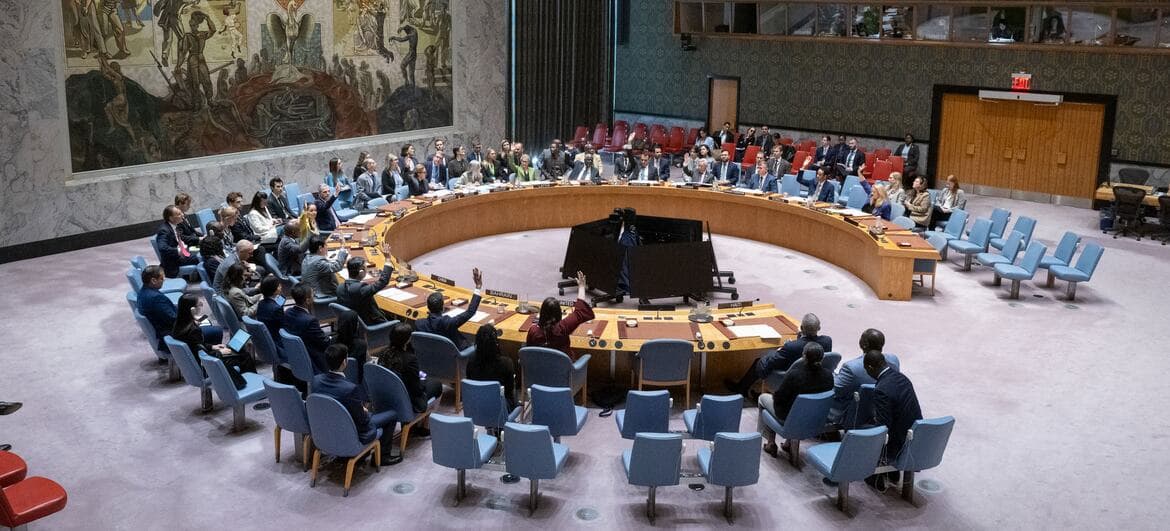
The Inter-Governmental Group of 24 on International Monetary Affairs and Development (G-24) Tuesday said that the coronavirus (COVID-19) pandemic has imposed huge costs and that the main impediments to global recovery remain, with growth prospects increasingly divergent and uncertain.
Trinidad and Tobago and Haiti are the only two Caribbean Community (CARICOM) countries with membership in the G-24 countries that was established in 1971 as a chapter of the Group of 77 in order to help coordinate the positions of developing countries on international monetary and development finance issues, as well as and to ensure that their interests are adequately represented in negotiations on international monetary matters.
In a statement issued on Tuesday following a high-level meeting of the Group of 24 developing countries, it was noted that while economic recovery has gathered momentum globally, new shocks and risks confront developing countries still struggling through COVID.
“As we meet, our hearts are deeply saddened by the tragic deaths and devastation in Ukraine. We strongly support international efforts to provide humanitarian support and restore peace and stability and recognize that this crisis intensifies downside risks and undermines economic recovery worldwide,” said Sergio Recinos, President of the Central Bank of Guatemala and Chair of the G-24.
Recinos cautioned that COVID is not defeated. Inflationary pressures are rising, driven by spikes in food, energy and commodity prices and disruptions in supply and trade. And interest rates in advanced countries threaten to drive up rates globally and trigger capital outflows from developing countries, reducing their access to financial markets, and increasing debt vulnerabilities.
He said that all of those factors suggest there will be need for significant new resources for countries in distress.
“Extraordinary actions were taken globally to respond to COVID. There is a feeling that we have barely caught our collective breath, but the period ahead will require equally strong action to support vulnerable countries. This confluence of economic risks will put severe pressure on countries who have already exhausted their resources under COVID,” Recinos said.
He noted that countries confront multiple shocks increasing liquidity financing needs. Constrained fiscal space and high debt burdens limit the ability of vulnerable countries to respond. Urgent global action is needed to prevent hunger and food crises among vulnerable countries and poorer households and avert financial distress in highly indebted developing countries.
Strong multilateral cooperation is crucial to preserve rules-based trade, secure food and energy, protect financial stability, and ensure increased and sustained financing to developing countries in need.
G-24 members argued that a stronger global response is needed to improve vaccine access and that all countries need to act to overcome supply barriers by facilitating cross border flows of vaccine and treatments and by sharing technologies to boost vaccine manufacturing in developing countries. “Advanced countries should ensure adequate funding to meet the global goal of 70 per cent vaccination coverage in all countries by mid-2022.”
The G-24 said that the pandemic and tightening financial conditions increase debt distress for highly indebted countries and called for faster debt restructuring under the G20 Common Framework, greater private sector creditor participation in sovereign debt restructuring, and more concessional financing.
The G-24 discussions noted that developing countries are disproportionately afflicted by climate change and called for a greater global financial commitment to ensure a just transition to a low carbon world.
G-24 members called on advanced countries to deliver on their US$100 billion commitment to support developing countries urgently and significantly increase this target in the years ahead to match investment needs.
“Going forward, the COP27 climate meeting should aim for an accelerated and ambitious climate finance agenda, a process to track progress in fulfilling financial commitments, and the means to bridge financing gaps as needed,” the communique noted.
CMC/